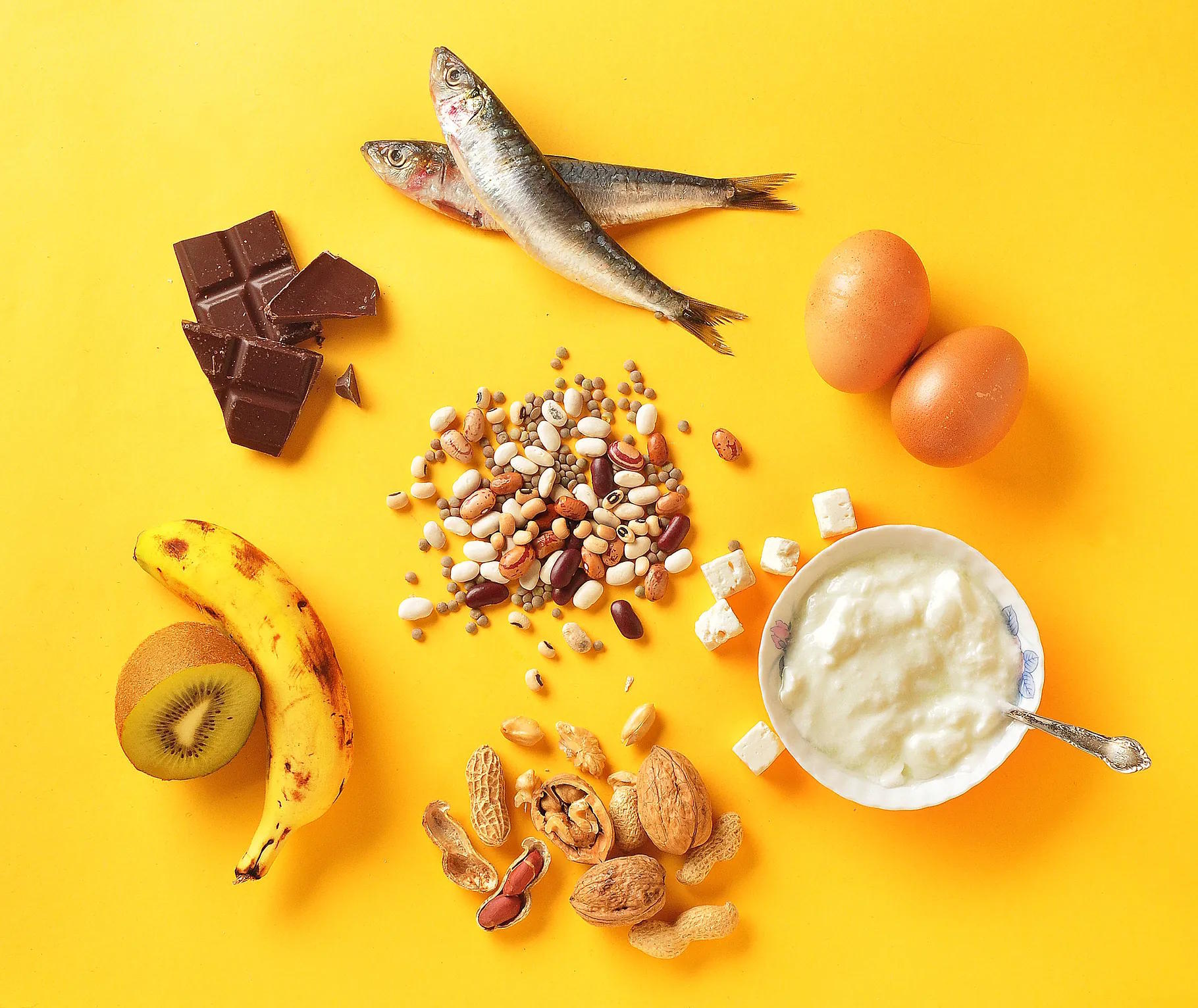
You wouldn't think of putting gasoline in a diesel vehicle, would you? So, why do you abuse the instant dopamine from ultra-processed foods and not opt for the serotonin from real foods? "Although we usually group them together as happiness hormones, dopamine and serotonin perform very different functions in the brain and body," warns Juan Bola, nutritionist and physical activity and sports technician.
Dopamine is the molecule of desire, motivation, and immediate reward, he explains: "It is activated when we reach a goal, receive a like, eat something we love -usually unhealthy- or feel an intense emotion. It rises quickly... but falls at the same speed, which can create that rollercoaster effect of pleasure and emptiness."
On the other hand, serotonin is the molecule of balance, calm, and satisfaction, Bola describes: "It does not generate a high, but a sustained state of well-being, self-esteem, and inner peace. It is more linked to good sleep, having the satiety center regulated, proper digestion, emotional regulation, and a good sense of mental stability."
MEAT AND OFFAL
Our society is designed for the search for express dopamine, he criticizes, although the more we abuse it, the worse we feel. "Our emotional problems hook us to ultra-processed food, alcohol, pornography, impulsive shopping, scrolling on social media, video games, sports betting... They are easy, immediate stimuli designed to calm us initially."
In contrast, serotonin is not achieved with a simple click: "It requires taking care of the body, nutrition, good sleep, exposure to sunlight, breathing, exercise, and mental calm. It is more difficult... but it is also the one that really provides lasting well-being," he states.
Did you know that your intestine produces 95% of your serotonin? "The reflection to draw is that food has a lot to do with mood," reveals the nutritionist, who then selects the foods that help emotional stability.
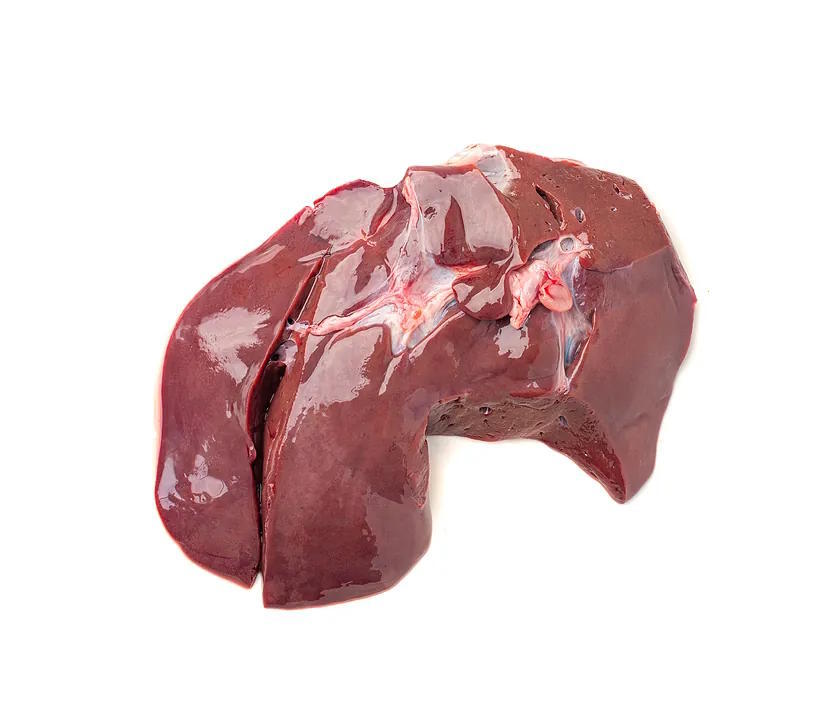
"Tryptophan is key in the serotonin production process, but other metabolic cofactors (vitamins and minerals) are also needed to help in that pathway. Meat and offal, besides having a large amount of tryptophan, have these cofactors in large quantity, high bioavailability, and effectiveness: heme iron, zinc, vitamin B12, and folate (B9)," explains the nutritionist.
EGG
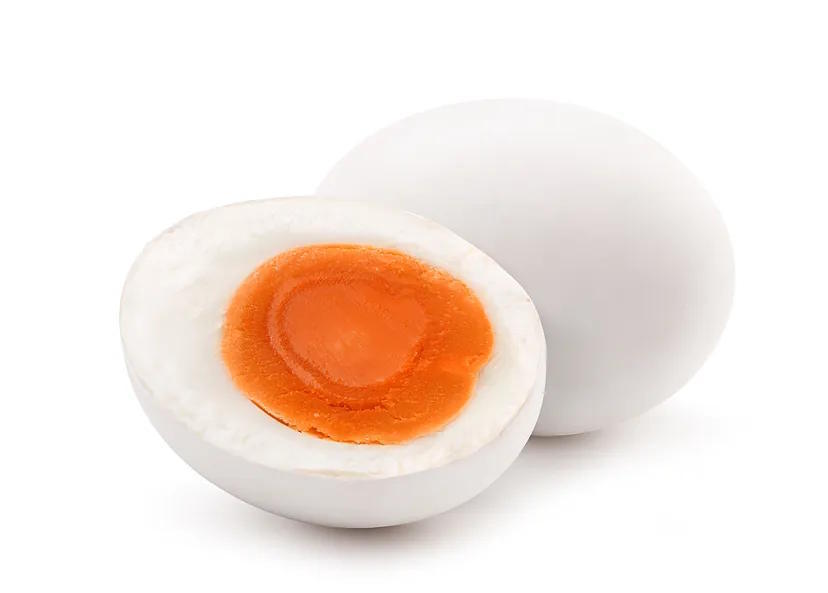
According to Bola, it is one of the most underrated foods for mental health: "It contains large amounts of tryptophan, an essential amino acid that our body converts into serotonin in two steps." The nutritionist explains that animal protein has a more balanced amino acid profile, allowing "tryptophan to better cross the blood-brain barrier."
OILY FISH
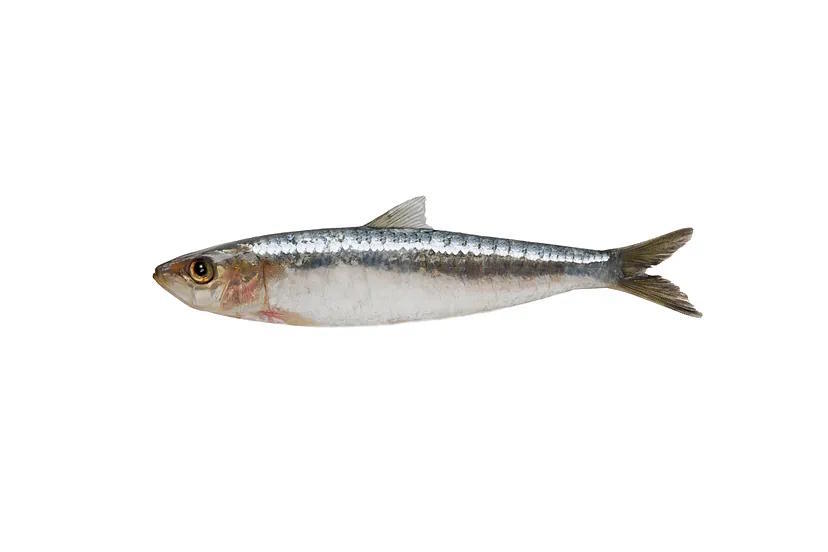
Sardine, anchovy, mackerel, horse mackerel, mackerel... Especially the smaller fatty fish are rich in highly effective omega-3 (DHA and EPA), which accumulates in our brain: "It is part of our neurons and greatly influences how they communicate with each other," explains the professional. And this increases serotonin release.
LEGUMES
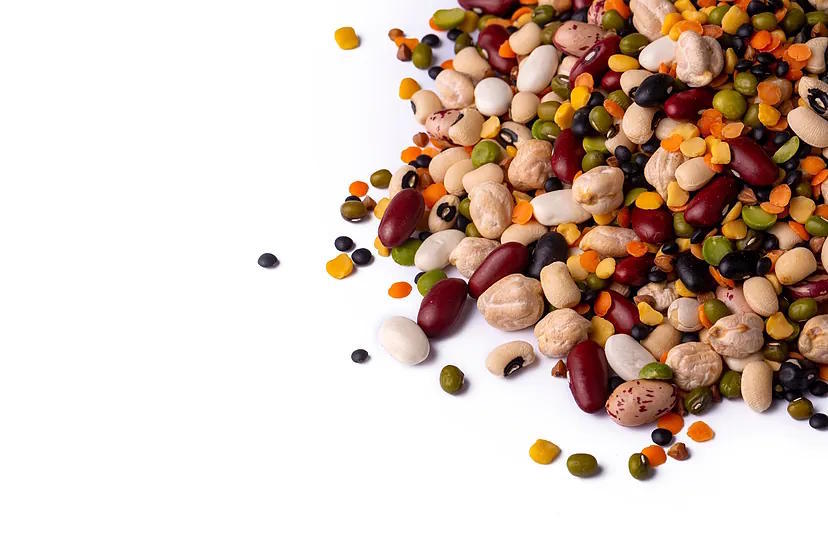
Lentils, chickpeas, beans, soy... They are an important plant source of tryptophan, as well as vitamins (B1, B3, B6, B9) and magnesium, which help in its conversion to serotonin. "Without these vitamins, tryptophan cannot be effectively transformed into this neurotransmitter," details Bola, highlighting their high fiber content, promoting a healthy gut microbiota.
YOGHURT AND CHEESE
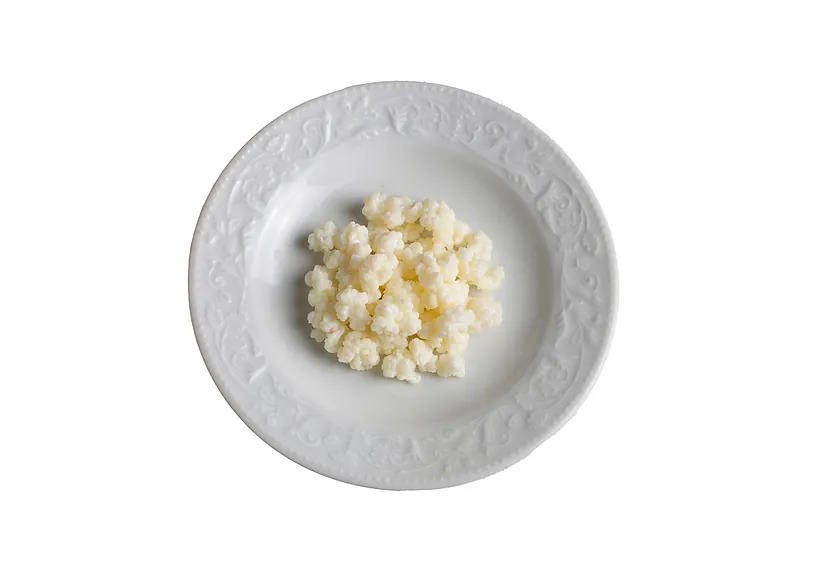
Fermented foods are great allies for the happiness factory, says Juan Bola: "Good bacteria awaken enteroendocrine cells, responsible for producing 95% of the body's serotonin in the intestine, and tell them: produce more." They do this through the gut-brain axis, a real and fast communication system.
DARK CHOCOLATE
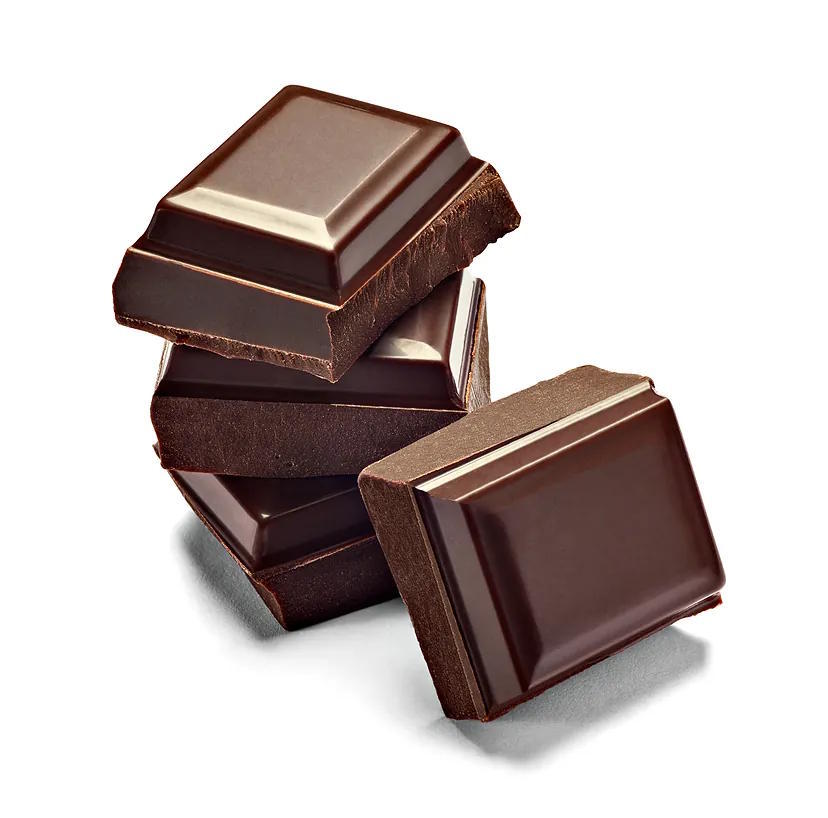
"It must be at least 85% dark to avoid being sold sugar instead of chocolate," warns nutritionist Juan Bola. It contains tryptophan, but it is not the product with the highest amount of this amino acid. However, it has other compounds like phenylethylamine, similar to the hormones released when we fall in love.
NUTS AND SEEDS
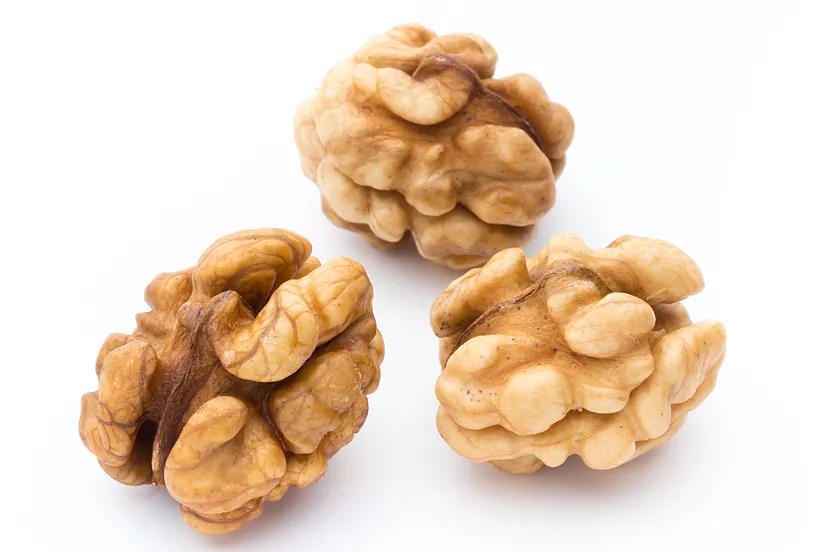
They provide several key nutrients that the body needs to produce and regulate the well-being hormone. Bola especially highlights walnuts: "When you have good levels of omega-3 in the brain, serotonin release increases, the sensitivity of its receptors improves, and emotional balance is strengthened."
BANANAS
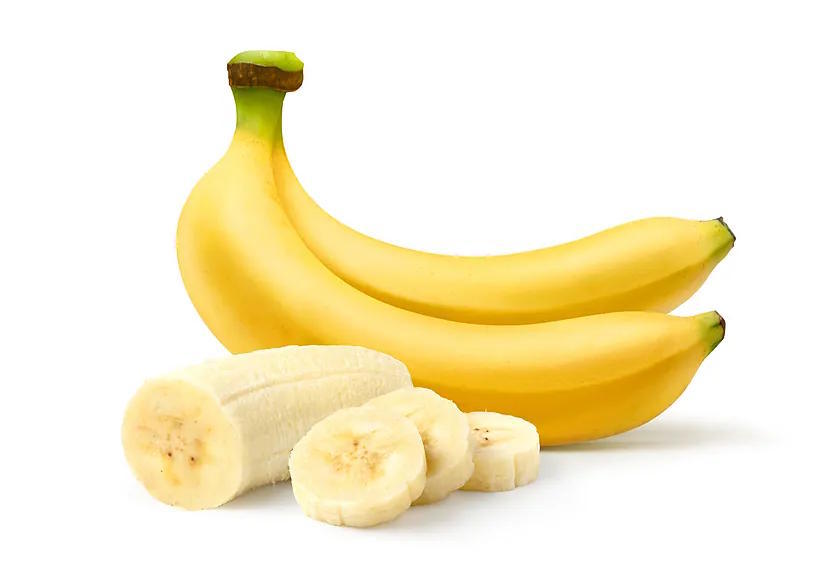
Even pineapple. Fruits and vegetables are rich in antioxidants (polyphenols) and contribute to an optimal metabolic state to produce serotonin correctly. "Some even have serotonin naturally, but it cannot reach the brain. What really matters is eating foods rich in tryptophan, the amino acid your body uses to make its own serotonin," explains Bola.