Tennis as we know it could disappear in the coming years. Or not. The only certainty is that there is a civil war about to explode between the courts and the boardrooms. On one side, the Australian Open and many players — over 600 — although stars like Carlos Alcaraz and Jannik Sinner have distanced themselves from the trenches. On the other side, the ATP and WTA circuits and the other three Grand Slams: Roland Garros, Wimbledon, and the US Open. Between these two factions, there are already lawsuits, billionaires ready to intervene, and uncertainty. The current system may disappear. Or maybe nothing will happen. But the precedent of golf and the open wound of the LIV Golf are frightening.
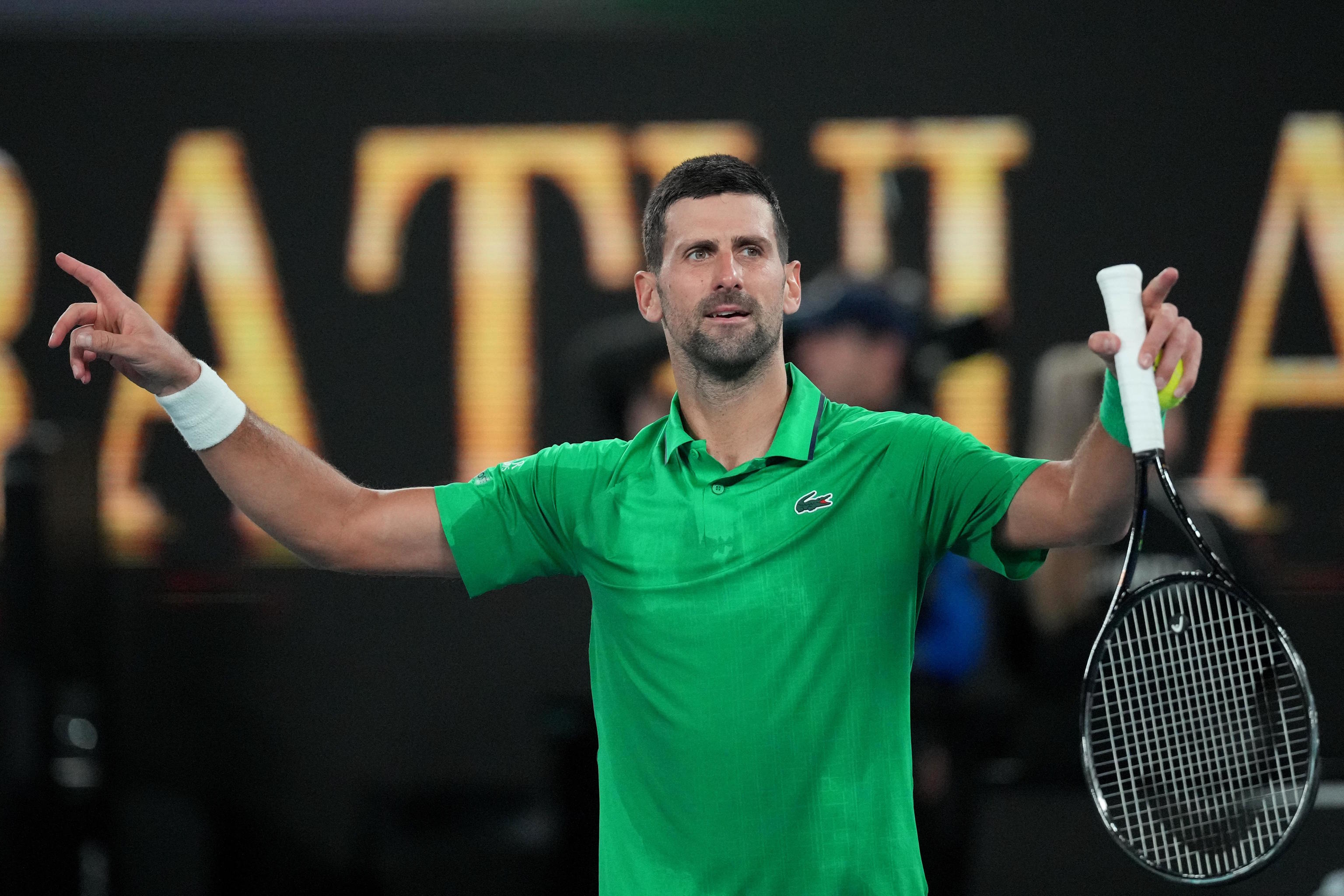
To understand the situation, we need to go back six years and focus on one tennis player, the most decorated of all time: Novak Djokovic. In 2020, the Serbian created a new players' union with Vasek Pospisil to claim what he believed was rightfully theirs: more money, more commercial freedom, fewer matches, and fewer impositions. "We deserve to have more say in the decisions made in the boardrooms," Djokovic stated, backing the establishment of the Professional Tennis Players Association (PTPA) with data.
Despite tournament prizes increasing each year, tennis players only receive 17% of the revenue generated by their sport, a tiny percentage compared to the 50% earned by NBA players or the potential 70% that footballers can earn. Additionally, the ATP and WTA circuits barely offer space for individual player advertising and, in return, demand more working days, especially after the extension to two weeks of the Masters 1000. "It's an unsustainable calendar," argued Djokovic, who soon found support.
In its first year, the PTPA affiliated hundreds of members, especially modest players, although well-known names like Paula Badosa, Hubert Hurkacz, Ons Jabeur, Reilly Opelka and Pablo Carreño also joined. With Djokovic at the helm, the association made the necessary noise, presented its proposals, and initiated negotiations with all tennis leaders. But they only received silence in response. For several years, neither the ATP, WTA, nor the Grand Slams paid any attention to the PTPA, and their demands faded away.
Until last year. In March, the Professional Tennis Players Association, previously criticized for its lack of impact, unexpectedly filed several lawsuits in the United States, the European Union, and the United Kingdom against tennis governing bodies for "anticompetitive practices." "Players are trapped in a rigged game, with limited control over our careers and brands, while suffering blatant disregard for our well-being," proclaimed the union, going as far as stating that the sport's leaders operated "like a cartel." That was the beginning of an earthquake whose consequences are still unknown.
From that moment on, both sides began to move quickly. The PTPA, financially supported by the American billionaire Bill Ackman, set out to raise 1 billion dollars from banks and investors to create a new unified circuit, the Pinnacle Tour, which should improve profit distribution and exploit players less. Additionally, they reached an agreement with the Australian Open to collaborate in exchange for withdrawing the tournament from the lawsuit. The ATP, WTA, and the other three Grand Slams, on the other hand, closed ranks and promised a battle while maneuvering in the shadows. For a few months, there was speculation that the Public Investment Fund of Saudi Arabia would intervene in support of the players' revolt, but the ATP secured their support in exchange for granting them a new Masters 1000 from 2028 onwards.
And now, what will happen? No one knows. Legal disputes can last for years, and theoretically, agreements should come before that. For now, the PTPA is at a disadvantage. They have not yet found the necessary funds to set up their own circuit and are experiencing significant internal division. Just last week, Djokovic decided to disassociate himself from the association due to "a lack of leadership among the players," an implicit criticism of the lack of support from Alcaraz or Sinner, who do not want to get involved. But if the union finds the investment it desires and the Big Two decide to step up, tennis as we know it could change forever.