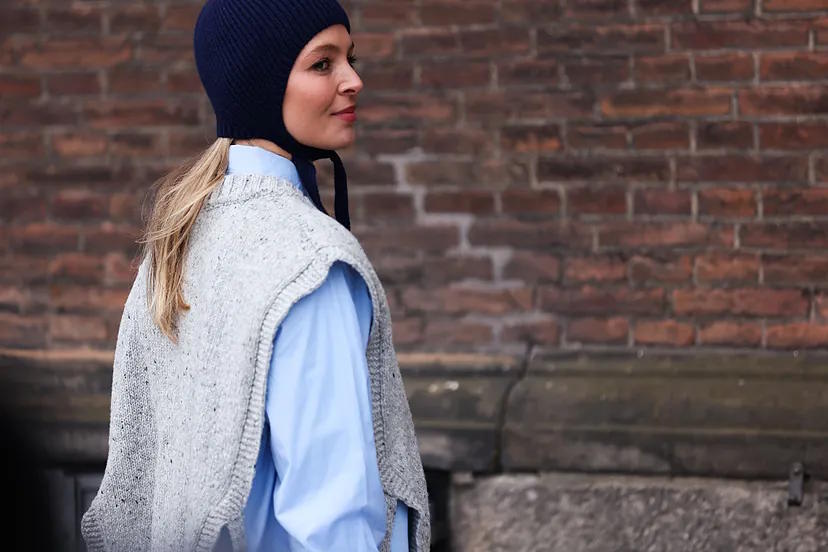
Let's admit it. Both a bad hair day and a good hair day are highly likely to turn into a bad or good day, with or without hair. Because when your hair looks good, it's easier for everything else to fall into place. Maybe we're exaggerating a bit, but we're not lying.
Our hair worries us, occupies us and makes us feel better or worse depending on its condition. Hair matters, as Hillary Clinton stated, with a touch of irony, in a lecture to Yale students in the early 2000s. Hair affects our mood, as portrayed in a scene from season 30 of The Simpsons, that well of popular wisdom. Julio, the hairdresser of Marge, the mother with the blue hair, remarks while washing her hair: "What's wrong, Marge? I sense a hint of sadness in your split ends."
Following these premises, these days our hair is sad... and consequently, so are we. Because the succession of snow, rain, and storms named from A to Z - named to enhance communication efficiency during adverse episodes of wind, coastal phenomena, snow, and heavy rain - affects the mane in different ways, both inside and out.
Considering that Ingrid, Joseph, Kristin and the upcoming Leonardo are playing relay, and if this continues, we will reach Wilma sooner than expected, there will be no peace for our hair, as confirmed by the expert from El Mundo in these matters, Teresa Guerrero: "Since January 20, our manes have been experiencing the effects of a corridor of storms."
Cold and Rain: How It Affects Hair
Having worse hair during these climatically gloomy winter weeks, in this storm corridor, has solid reasons behind it. "During the winter months, the cold, humidity, and temperature changes promote greater dryness, fragility, and frizz in the hair," explains Virginia Velasco, dermatologist and director of the Hair Loss and Scalp Health Unit at Dr. Morales Raya Clinic.
In addition to more serious issues, such as the appearance or exacerbation of dermatitis or psoriasis, the cold and humidity affect the hair's appearance on two fronts. "The temperature contrast will affect the outer part of the hair, making it dry out more easily," Dr. Velasco explains. During the winter months, heat tools (hair dryers, straighteners...) are used more frequently, exacerbating this dryness.
Furthermore, as Velasco continues, "temperature changes, environmental conditions with increased dryness, wind, and the use of certain hats or caps create more static electricity in the hair, leading to frizz, the archenemy of beautiful hair.
Hairdresser's Tricks for Great Hair on Stormy Days: The Best Hairstyles
Faced with these climatic woes affecting the hair, which can be alleviated as recommended by Dr. Velasco with hydrating home treatments, whether in the form of oils, masks, and conditioners or professional protocols like Keravive by Hydrafacial (which stimulates blood circulation, improving scalp hydration).
But the windy manes also need emergency solutions to ensure good hairstyles in the rain, as encouraged by hairdresser Javier Mateo, co-founder of THE LAB Beauty Studio in Barcelona.
Established as a reference in hairdressing, Mateo participates in events like Barcelona Bridal Fashion Week or 080 Barcelona and occasions like the Goya Awards, without losing sight of practical solutions for mortal manes.
When it comes to hairstyles, the expert recommends opting for sleek low updos, whether buns or ponytails, which help control volume and reduce frizz caused by humidity. Besides being functional, these hairstyles provide an elegant and professional look. Before tying up the hair, his professional advice: "Apply a small amount of styling cream or lightweight hair oil beforehand to seal the cuticle and control loose strands."
Braids should not be underestimated as a protective hairstyle. "They are an excellent choice for rainy days, as they keep the hair under control and reduce direct exposure to moisture. They can also adapt to both casual styles and professional settings," the hairdresser explains. In addition to the classic or side braid, the expert suggests "thin braids at the front combined with the rest of the hair tied back or left loose."
Textures also play a role on stormy days. It's always better to choose natural waves over perfectly straightened hair, because in humid environments, "very straight styles tend to lose their sleekness quickly, so some texture and a slightly tousled look -intentional- better disguise frizz and offer a longer-lasting finish." Mateo also advises to "use specific products to define waves, such as texturizing creams or sprays, avoiding excessive heat."
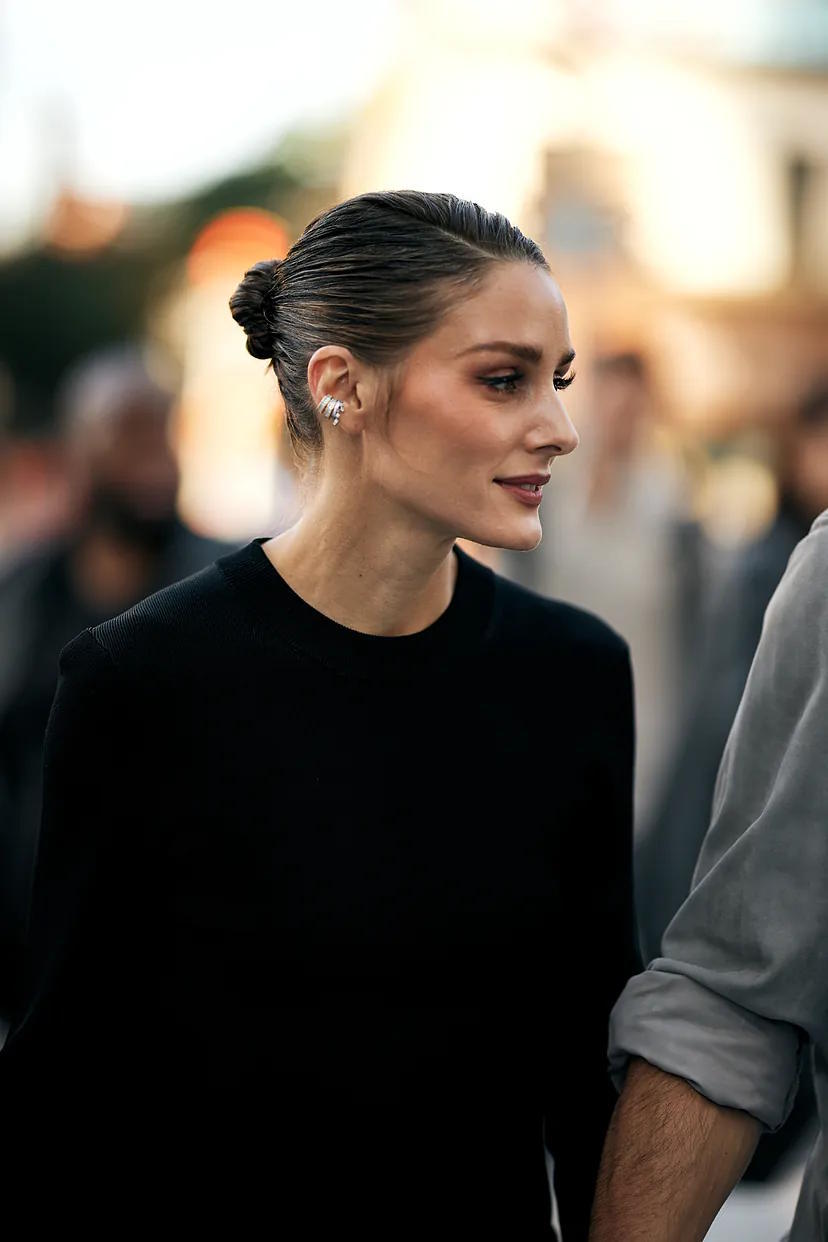
Washing Frequency and Hat Use: Good Advice
All experts agree that there is no universal washing frequency that applies to all scalps and manes, each one needs what it needs. Although cleanliness is essential, Javier Mateo dares to advise, in the storm corridor, to reduce the washing frequency. "Doing it too often during rainy periods can accentuate frizz, so it's preferable to space out washes, in addition to reinforcing care with suitable products." Extra tips: "Dry shampoos can be used at the roots when necessary, apply serum or oil only on mid-lengths and ends, and avoid constantly touching the hair throughout the day."
Finally, on these days, the use of accessories like hats becomes imperative. What is the best way to wear them so that hair and hairstyle don't suffer the consequences? Mateo's instructions are clear: "With hair tied back; opt for a loose-fitting hat, preferably with a satin or silk lining. As an alternative, it suggests "scarves and shawls," a particularly practical and elegant option that protects the hair from the rain without flattening the roots and easily adapts to different styles. It also recommends using discreet hairpins and clips to control rebellious strands and maintain a neat appearance.
One last recommendation for the day when the gale allows us to open the umbrella in the rain: "Choose one that is nice and wide to limit direct exposure to moisture." And may Leonardo find us well-coiffed.