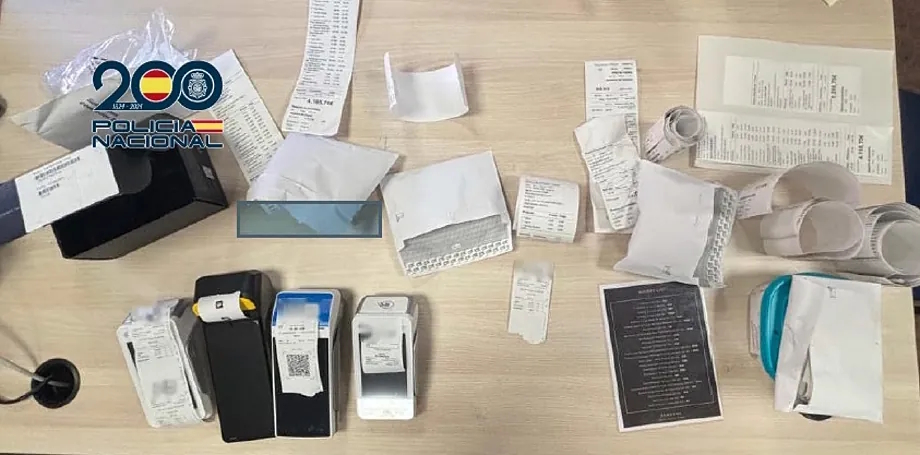
The National Police have dismantled a criminal organization in Madrid dedicated to defrauding foreign tourists through the method known as honey trap, a system in which women seduced victims through dating apps to later force them to pay exorbitant and inflated bills at a downtown bar in the capital. The network fraudulently obtained around 23,000 euros.
Four people have been arrested — the recruiter, two employees, and the manager of the establishment — as alleged perpetrators of fraud and belonging to a criminal organization, and a total of ten criminal acts have been clarified.
The arrested individuals are two Ukrainian men, aged 27 and 20, a 25-year-old Ukrainian woman, and a 26-year-old Russian woman. Two of them had previous records for similar offenses. The victims are tourists from Germany, the United States, Albania, France, and the United Arab Emirates.
The investigation began last October after several complaints filed by foreign men who were in Madrid for a short period for tourism purposes. All reported an identical pattern: after contacting a woman through a dating app, they would meet her at the same bar in the Centro district, in the Puente de Toledo area, always suggested by the recruiter.
Once at the establishment, located on Capitán Salazar Martínez street, the woman would start ordering excessive drinks and food, while the victims were encouraged to consume alcohol. In reality, the accomplice women were drinking tea or other non-alcoholic beverages, while the waiters kept serving drinks after drinks to the tourists.
The bills ranged from 200 to 2,000 euros, although in one case they demanded up to 4,165 euros for items not actually served. If the customer refused to pay, both the employees and other supposed customers — actually members of the organization — would harass, intimidate, and threaten them until payment was made.
The officers found a clear division of roles within the criminal network. The women were responsible for luring the victims; the bar staff inflated the bills, and other members posed as customers to intimidate the tourists.
After obtaining the money, the woman would make excuses and quickly leave the premises, cutting off any further contact with the victim, who in many cases returned to their country shortly after.
During the search carried out on November 27, the investigators seized four point-of-sale terminals (POS) and numerous cash receipts. Behind the bar, bottles of tea were found, used to simulate alcoholic drinks by the women.
Additionally, the establishment was in a notably neglected state, with deficiencies in cleanliness and furniture, as well as spoiled food surrounded by insects, posing a risk to public health.
Two of the detainees had already been arrested for similar offenses at the same establishment before the summer of 2025. After its closure, the bar was reopened under a different name to continue with the criminal activity.