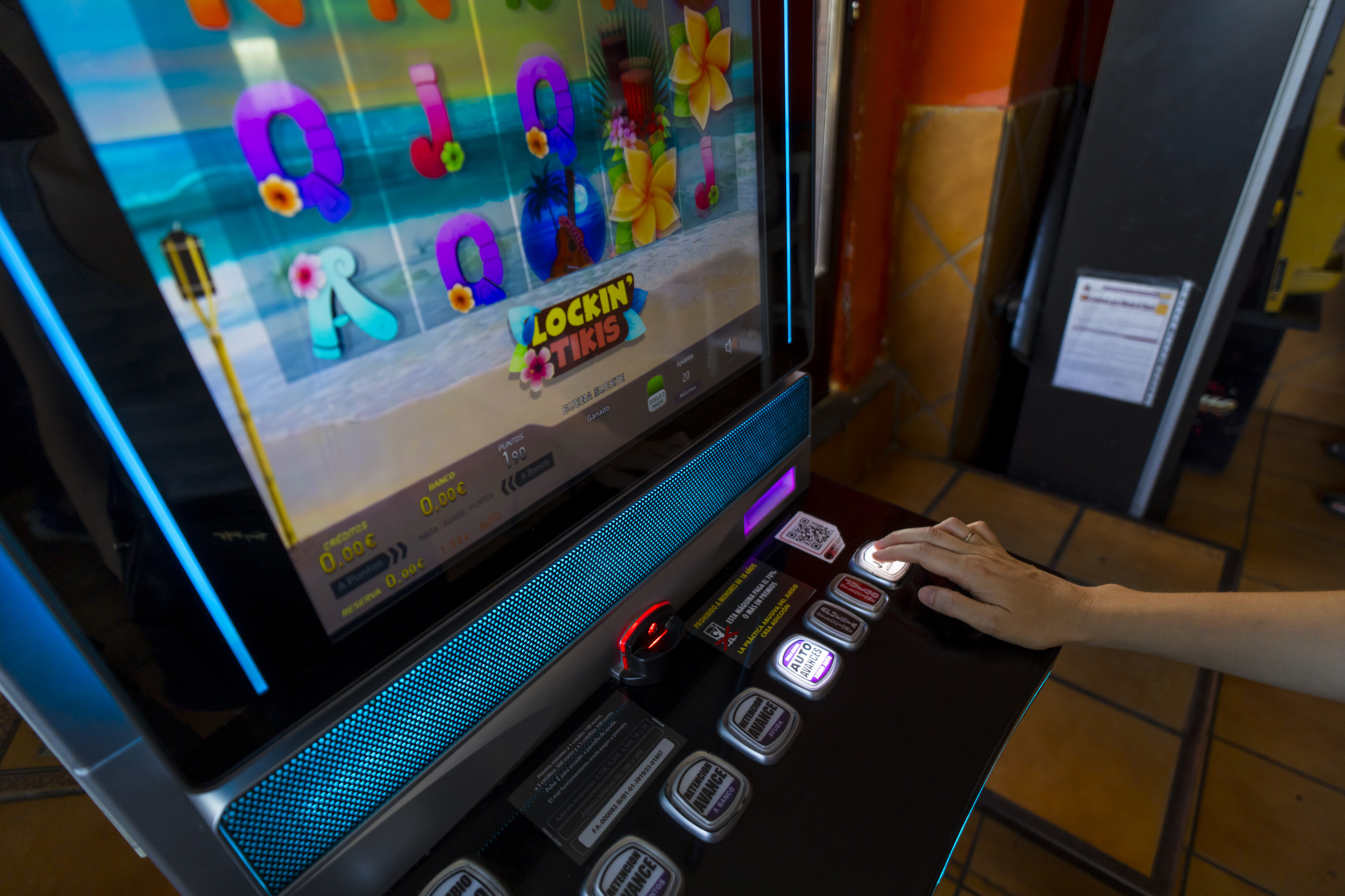
A recent study conducted by Unicef and the University of Santiago de Compostela states that one in ten Spanish adolescents under 18 years old admits to having gambled at some point. The report, Infancia, Adolescencia y Bienestar Digital (Childhood, Adolescence, and Digital Well-being), also outlines their motivations, determining that half of the teenagers who gamble (47%) do so with the belief of being able to earn money.
In recent years, it is not surprising to see gambling portrayed as a leisure activity among young people. The use of screens, online betting platforms, and the allure of easy money fuel this practice with more shadows than lights, often using youthful idols like famous athletes as advertising bait.
According to data from the Encuesta sobre uso de drogas en Enseñanzas Secundarias en España (Survey on Drug Use in Secondary Education in Spain (Estudes), conducted by the Ministry of Health and published yesterday, the prevalence of online and offline gambling has increased, especially among males. It also states that in 2023, there were 4,916 admissions for behavioral addiction treatment, mainly for gambling, with the average age of starting these activities involving money being 13.9 years.
This narrative is supported by other pillars, such as the phenomenon of cryptobros, alleged financial gurus encouraging investments in cryptocurrencies promising substantial profits; charlatans like Amadeo Llados and his courses on becoming a quick rich; and content creators whose example inspires millions of teenagers worldwide, like MrBeast. He is 27 years old and one of the highest-paid youtubers in the world with 466 million subscribers on his channel.
He is famous for organizing challenges and rewarding winners with huge amounts of money. For many, he is a millionaire thanks to charity turned into a show. For others, he simply gives away prosperity. In an article like this on the relationship between teenagers and gambling, especially with money, we bring up this content creator who handles cash like it's nothing. While other success stories start with a donkey and two buckets, his took a meteoric turn with a video he posted in 2017. In it, he recorded himself counting from 0 to 100,000 for about 40 hours. An absurd challenge for which it seems no formal education is required, and it went viral, laying the foundation for his colossal current fortune.
This environment inspires some young people, seeking a passport to supposed abundance through social media, gambling, and risky financial investments. All paths, by the way, are alternatives to an eight-hour workday. We asked Irene López, psychologist and clinical therapeutic head of the anda CONMiGO centers, about the risks of the adolescence-gambling combination, the distortion of the concept of effort, and the management of frustration.
Question. How does gaming affect teenagers?
Answer. At this stage, they are more vulnerable as they are developing their identity. Everyone on social media sees gaming as something fun and that helps them be socially accepted. Social media normalises gambling and hides the risks. That's why for minors, it's aspirational: they see characters, even athletes, talking about gambling and showing themselves playing, in what is a very effective form of covert advertising. Later, the algorithm detects the interest and will show them similar content. Those who gamble also show off their winnings and spread the distorted belief that money is earned effortlessly.
Q. The UNICEF report also states that 65% of teenagers who gamble do it for fun. What does it offer them?
A. Firstly, accessing a platform for which they have to bypass age controls already generates the adrenaline of risk. It also provides them with acceptance in a group, and at this age, the social component of being with friends is very powerful. Another factor is that they receive immediate rewards, and the teenage brain, with impulse control areas still maturing, easily succumbs to these stimuli. The excitement and adrenaline, social validation, and the possibility of winning something quickly give them immediate gratification.
Q. Do online pages have any age verification methods, or can anyone access them?
A. Not all are the same, but many only ask if you are of legal age, something that can be easily falsified as they do not require any certification. Some ask for a name, and others, the stricter ones, do require data for tax authorities to monitor potential winnings. Of course, youngsters go to those with fewer controls.
Q. What profiles of teenagers are associated with this addiction?
A. Firstly, those with difficulties in emotional regulation, who cannot control anxiety, frustration, etc., and gambling serves as an escape and evasion for them. Secondly, teenagers with ADHD or similar disorders who cannot control their impulses or anticipate consequences and seek constant stimulation. Thirdly, youngsters with low self-esteem, who do not excel in anything, neither in sports nor in studies, and when they gamble and win, they feel a sense of success and euphoria. Lastly, individuals exposed to a social or family environment with substance abuse or where money is easily obtained.
Q. How can we detect at home if a teenager may be gambling?
A. If we see that they are socially isolating themselves, becoming more irritable, experiencing academic failure, not sticking to schedules or study plans, spending many hours on screens and not fulfilling study schedules, etc. They also tend to reject family communication. Other warning signs include missing money at home and selling personal items.
Q. What should families do if they suspect addiction?
A. We must address the issue, not silence it, just as we do with alcohol, drugs, sex, etc. We have to talk about the risks of gambling without sermons and without dramatising. We must also supervise their activities without invading their privacy: monitor which apps they have on their phones, how much time they spend online, how they spend their money, and promote other leisure alternatives. We not only have to say 'don't do this', but also offer them other activities that give them similar sensations to what gambling provides. And be role models for them. Who hasn't played the lottery or EuroMillions... This way, we convey the message that money is earned by luck and not without effort.
Q. Can we play the typical family card game with them, betting some coins?
A. There's no need to forgo a reward to make the game more attractive and dynamic, but not if we know our child is at risk. Doing it occasionally adds extra motivation, but we must emphasise that money is earned through work and should not be spent lightly.
Q. Many teenagers think making money is easy. They see it in YouTubers, whom they believe are millionaires...
A. Everyone, not just them, receives unverified information that harms the mind. If they perceive that a lot of money can be made with little work, they may believe that studying or making an effort is unnecessary. When they don't win in gambling or gain followers as easily as they thought, emotions like guilt and shame arise, and they struggle to manage them. This starts a cycle of failure that leads them to gamble again to try to recover what they lost, for example, and that is very dangerous. They also disconnect from reality, believing they are smarter than the system and other people, and that they can control chance. Psychologically, this is devastating because we raise individuals with unrealistic expectations who poorly manage frustration and failure.