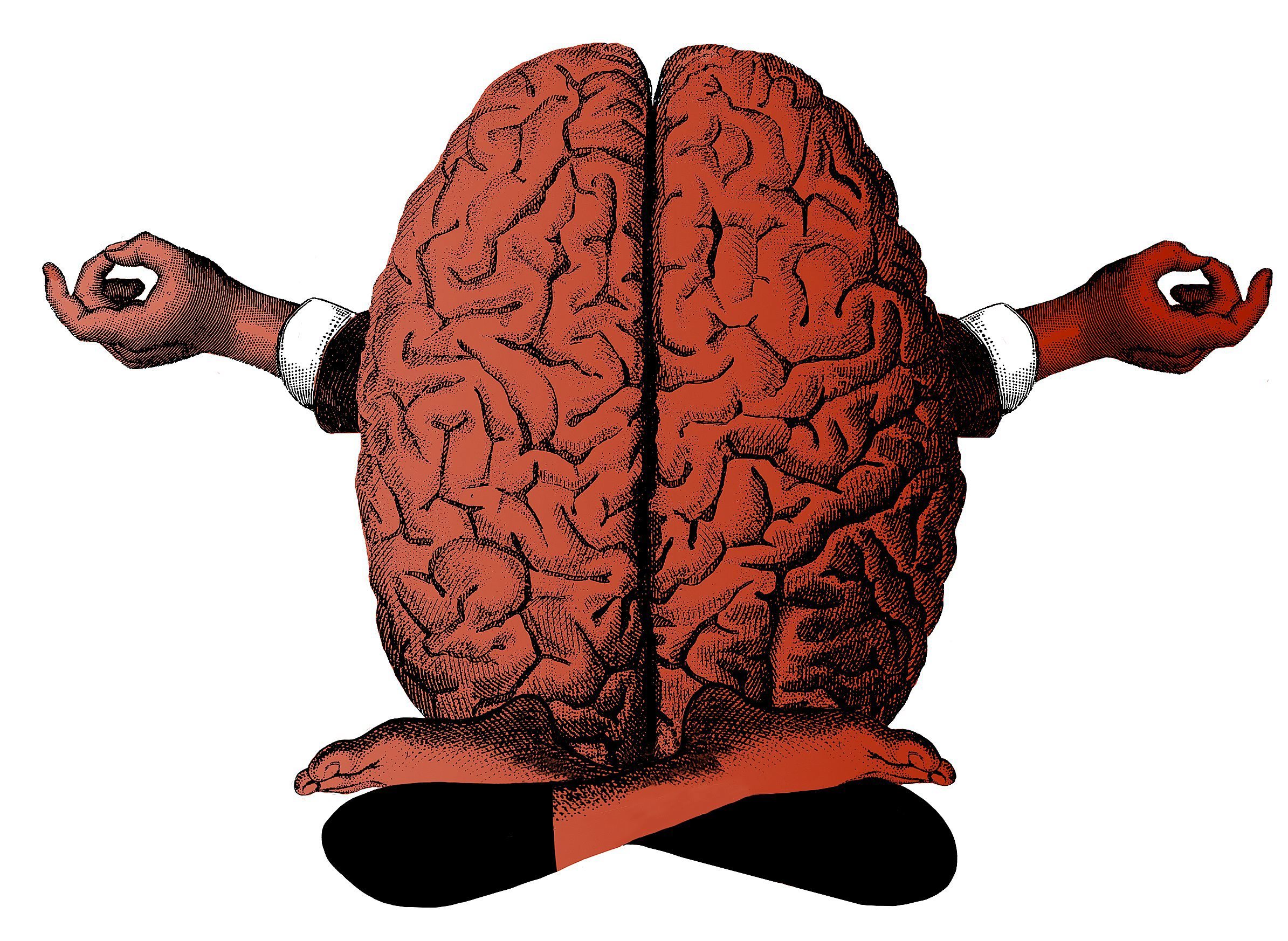
Repetition forms habits, and from a young age, we are told that it is essential for learning. However, it can also be a double-edged sword: if we always repeat the same patterns and tell ourselves the same stories, we will never be able to question why nothing changes. Psychologist Laura Polo (Huelva, September 22, 1997), author of Lo que se permite se repite (What is allowed is repeated (Ed. Vergara), explains that this entrenchment is due to unresolved childhood wounds that carry over into adulthood.
"When we have not been emotionally validated as children, we lack internal security. We do not develop those tools," she explains. For example, if as a child you felt that your father preferred your brother and experienced it as "I am not enough," when a partner leaves you, that same belief is triggered. "The body remembers the sensation more than the actual event, and often we react to what happens based on the past," Polo says.
You are the most important person in your life
The brain repeats what is familiar because it provides security. Stepping out of the comfort zone is scary because it is uncertain. "Furthermore, we believe that boundaries are set towards others. But, in reality, they have to do with what we allow or not. In my practice, I see many people who do not know themselves or what they want," she elaborates.
According to the psychologist, many times we know from the beginning that something does not fit (in a relationship or at work), but we ignore the body, which is already warning us of discomfort. Understanding the cause of what you feel is the first step. "You will spend your whole life with yourself. If that relationship is hostile, every day will be a battle. Being in internal conflict generates constant discomfort," she reflects.
Harmful internal dialogue
We are so automatic that we do not process. Polo always tells her patients to ask themselves, "How does this thought make me feel?" "It's not what happens, but what you tell yourself about what happens. It is easier to blame yourself than to accept that there are things that do not depend on you."
Furthermore, internal dialogue is the voice of those who raised us. "The way you were spoken to in childhood becomes how you judge yourself as an adult." If you were told you were clumsy as a child, you continue to verbalize it as you grow up. "That's why labeling children is so dangerous: they struggle to differentiate a belief from a certainty, their brains are not mature."
Not all guilt is the same, Polo explains. Legitimate guilt is an internal compass: "It points out when you acted against what you truly value." Imposed guilt is external noise: "It punishes you for not living up to what others expect of you."
Your value is not in what you do
We have been taught to value performance while forgetting emotional intelligence, the psychologist believes. "Our worth is not in everything we do, but in who we are and how we make others feel. Self-demand arises from believing that we are valued for doing more." That is why it is so important to take a few minutes during the day to stop, even if it is not easy: "Humans find it difficult to face discomfort."
In general, women externalize more, while men act tough. But both sexes are affected by these patterns, the psychologist asserts. "Sometimes we stay in places where we know it is not out of fear of rejection or conflict. We see anger as something bad, but if you do not connect with that emotion and reject it, you will experience very unfair situations and will not know how to set boundaries," warns the psychologist, who sees a lot of low self-esteem. "If you do not know who you are, you believe what others say about you. You have to stop and ask yourself: who is telling me this? From where? Not everything depends on us."
There is a great difficulty in identifying emotions, the professional believes. "Therapy is not just to calm discomfort, it also serves to get to know oneself." Today, there is more talk and research on mental health, but there are still stigmas. "Something as simple as using notes on your phone or sending yourself a WhatsApp can help you in a moment of blockage." Also, learning to tell your thoughts, "Not now, we'll talk later." Other useful tools are going for a walk without your phone and exercising in nature: "Disconnect to reconnect with yourself."