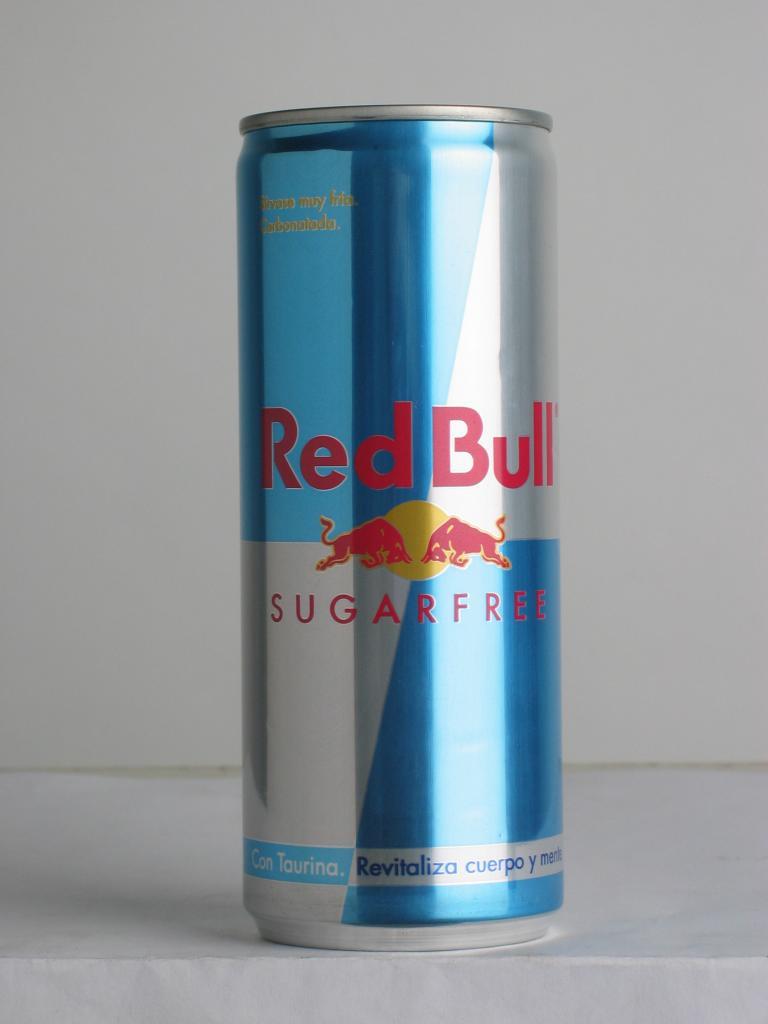
Under 16s will not be able to purchase energy drinks. Pablo Bustinduy, Minister of Social Rights, Consumption, and the 2030 Agenda, announced today that he will implement a regulation to prohibit the sale of all energy drinks to under 16s, and that this ban will extend to under 18s for drinks containing more than 32 milligrams of caffeine per 100 millilitres. He detailed this from Barcelona before meeting with representatives of the Gasol Foundation, an organization combating childhood obesity through health promotion programs.
This measure comes shortly before Galicia enforces a law on March 7 that prohibits both the sale and consumption of energy drinks, raising the age limit to 18. Asturias is also in the process of developing regulations with the same age limit as Consumption. The department argues that these initiatives reinforce the importance of harmonizing this legislation at the national level and thus promoting market unity.
The ministry states that the regulation is still in development and they hope it will be implemented as soon as possible. Regarding the legislative scope, "the form has not yet been finalized," as it still has a processing period ahead and "the deadlines of the Council of Ministers are not within our control," according to ministry sources.
Consumption has been banning these products through various initiatives. Last week, it was included in the ban on advertising unhealthy foods to minors, and last year, with the approval of the Healthy and Sustainable School Cafeterias Royal Decree, they were banned in schools. With this step, the ban now reaches a national level.
Bustinduy has justified the need for this measure based on social support. The barometer on advertising of food and energy drinks released last week by AESAN (Spanish Agency for Food Safety and Nutrition) indicates that nine out of ten people in Spain agree with this prohibition. He highlighted that this data also includes very high support from young people: 88.3% of respondents aged 18 to 35 support banning energy drinks.
The AESAN study also shows a clear risk perception regarding energy drinks. Therefore, Bustinduy has emphasized the need to regulate their sale due to concerning data: 25% of respondents consume energy drinks and do so twice a week on average; almost half (49%) of those who consume energy drinks have at least one a day, and 47% regularly mix them with alcohol.
This regulation will complement the ban on the sale of energy drinks in schools nationwide promoted by this ministry, with the approval of the Healthy and Sustainable School Cafeterias Royal Decree. It also aligns with the report on risks associated with energy drink consumption prepared by the AESAN Scientific Committee in 2021, which indicated that excessive caffeine consumption can lead to undesired physiological effects ranging from sleep disturbances (both in the time needed to fall asleep and its duration) to psychological effects, behavior alterations, and cardiovascular disorders.
It is also worth mentioning the work of the working group on energy drinks, coordinated by AESAN and involving various ministries and regional governments. This initiative is in line with measures being taken by various European countries such as Germany, Norway, Latvia, Poland, Hungary, and Lithuania.
Limitation of unhealthy food advertising
The Minister of Consumption has also announced that a regulation on advertising unhealthy foods targeting girls, boys, and adolescents will be implemented. "These are harmful ads for their health," he commented, stating that these measures respond to a "social outcry".
The AESAN barometer also reflects broad social support for protecting children's health from advertising practices that promote the consumption of foods and beverages with an unhealthy nutritional profile. For example, nearly 80% of the population believes that advertising unhealthy foods to minors should be banned. This adds to other concerning data, such as each child in Spain receiving over 4,000 advertisements for unhealthy food annually through television, meaning they receive almost 11 such ads per day, 30 if other communication channels are included.