The war in the Middle East has caused mass flight cancellations and thousands of passengers stranded in airports around the world and trapped in tourist destinations like Dubai that, until last week, were considered safe. But even though these are extraordinary circumstances, the truth is that all destinations can entail some level of risk that the traveller should be aware of and consult before embarking on the journey.
The closest source, that of our Ministry of Foreign Affairs, European Union and Cooperation, provides updated and specific information on almost every corner of the world. Country by country, these travel recommendations range from general warnings to passport and visa requirements, health conditions, and, of course, security. Pay attention to the last lines to verify that the information is up to date: "Recommendations valid as of March 2, 2026," for example, the ministry indicated yesterday regarding its recommendations on Egypt. Before travelling abroad, it is advisable to register our details in the Traveler's Registry of the MAUC to facilitate assistance in emergency or need situations. The travel recommendations provided by the U.S. Department of State can be found here and those from the UK Foreign Office, here.
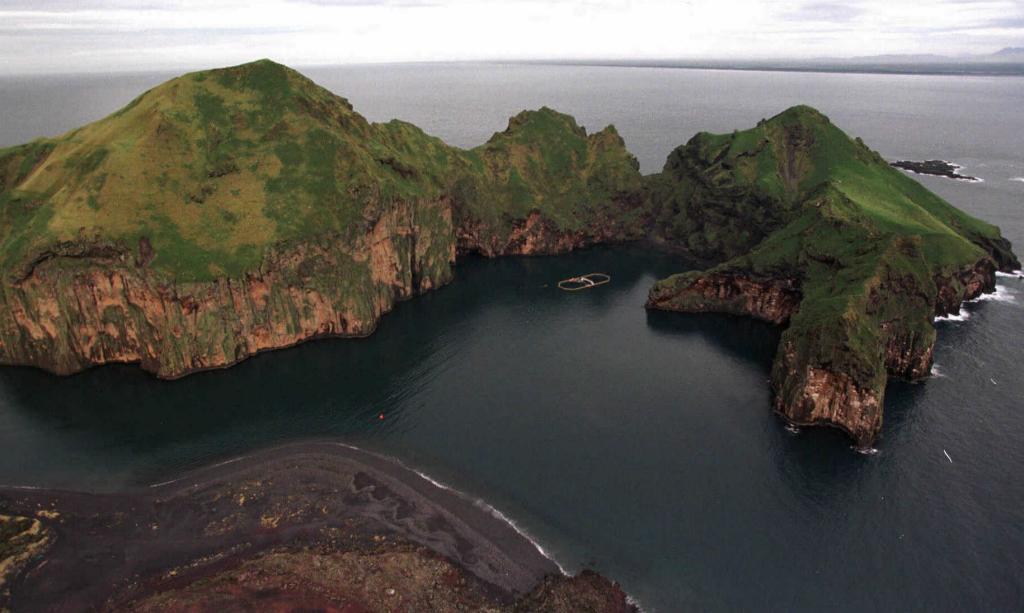
There are also several prestigious studies that publish their conclusions annually and can serve as a guide for travellers. The Institute for Economics and Peace has been analyzing and ranking the safest and least safe actors on the world map for 17 years. Their Global Peace Index (GPI) is one of the most cited references for measuring peace. The GPI for 2025 considers that Iceland, Ireland, New Zealand, Austria, Switzerland, Singapore, Portugal, Denmark, Slovenia, Finland, the Czech Republic, and Japan are the most peaceful countries. Another highly consulted report is the International SOS, which annually creates a map for travellers to decide which countries they should avoid visiting.
Safest Countries (Global Peace Index 2025)
Iceland
Ireland
New Zealand
Austria
Switzerland
Singapore
Portugal
Denmark
Slovenia
Finland
Another widely circulated report is conducted by Berkshire Hathaway. Since 2016, they survey thousands of Americans about their travels abroad in the last five years and their level of safety. It is an analysis based on the real experience of the traveller, complemented by sources such as the aforementioned Global Peace Index, Numbeo, and GeoSure Global. Their latest update was released at the end of last year. According to this, for 2026, Berkshire Hathaway placed The Netherlands in the number 1 spot of the safest countries in the world.
Following are Australia, Austria, Iceland, and Canada rounding up the top five spots. New Zealand, United Arab Emirates, Switzerland, Japan, and Ireland complete their top ten. The fact that the United Arab Emirates is on this list shows the volatility of the current geopolitical situation and emphasizes that no destination is risk-free. The same report highlights the importance of preparation, information, and the responsibility of the traveller. The good news is that tourists today have more tools than ever to choose safe places to visit.