The University of Kent in the UK has decided to suspend in-person exams this week due to an outbreak of meningitis that has caused the death of two students and has led to the hospitalization of 15 other young people. British Health Minister, Wes Streeting, has described it as an "unprecedented" outbreak.
Streeting mentioned that "the majority of cases are related to Club Chemistry nightclub", frequented by students from Canterbury, "between the 5th and 7th of March".
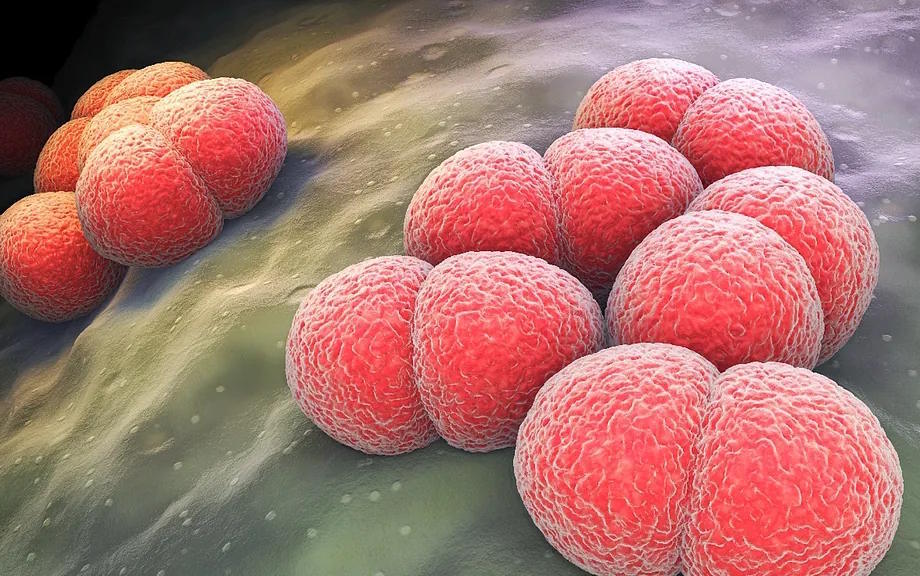
Meningitis occurs when the meninges, the tissue membranes covering the brain and spinal cord, become inflamed. This inflammation usually occurs after an infection caused by viruses or bacteria reaching the nervous system. Viral meningitis (also known as aseptic meningitis) is much more common than bacterial meningitis and is usually benign. However, bacterial meningitis can cause serious problems or even death. The cases detected in the UK are due to a bacterial infection, specifically caused by meningococci of group B.
According to data from the Spanish Association of Pediatrics (AEP), meningitis caused by bacteria is rare but tends to be severe and can be life-threatening if not treated immediately. In our country, the most common causative bacteria are Streptococcus agalactiae (group B streptococcus), Escherichia coli, and Listeria monocytogenes (in young children), and Neisseria meningitidis (meningococcus, especially types B and C, with an increase in types W and Y in recent years), Streptococcus pneumoniae (pneumococcus), and Haemophilus, in older children and young people.
How is meningitis transmitted?
Most of the microorganisms that cause meningitis are relatively common and can be found in the throats of healthy individuals. These microorganisms spread through droplets of liquid from the throat or nose of an infected or carrier person. Only in some cases will the infection with these microorganisms progress to meningitis.
What are the symptoms of meningitis?
The signs are variable and can appear suddenly or after a cold or diarrheal process. In children under two years old, the symptoms are nonspecific. Affected individuals often show difficult-to-calm irritability, fever, refusal to feed, vomiting, and lethargy.
In older children, headaches, vomiting, light sensitivity, drowsiness or irritability, fever, and neck stiffness upon examination are common. According to the AEP, some types of meningitis are accompanied by red-purple skin lesions, which may appear as small spots that do not fade under pressure (called petechiae). In the presence of such skin lesions in a febrile child, urgent medical attention is always necessary.
What is the treatment for meningitis?
In the case of bacterial meningitis, intravenous antibiotic treatment must be administered as soon as possible. Viral meningitis does not require antibiotic treatment and resolves spontaneously.
What should you do if you have been in contact with a case?
In the case of contagious bacterial meningitis (especially meningococcus), the closest contacts of the patients should take a preventive medication for a few days, as explained by the AEP, which emphasizes following the advice of official health authorities in such cases.
Streeting mentioned that around 700 doses of "preventive" antibiotics have been administered to young people who may have been exposed, in an attempt to halt this "unprecedented epidemic".
The AEP highlights that the best strategy for treating meningitis is prevention through vaccination. "Since the inclusion of vaccines against meningococcus type C, Haemophilus, and pneumococcus in the vaccination schedule, there has been a significant decrease in the number of meningitis cases caused by these bacteria," the AEP states on its website. In recent years, the vaccine against meningococcus B has been introduced with very good preventive results. Due to the increase in meningitis cases caused by meningococcus types W and Y in recent years, it is recommended to expand vaccination with a vaccine covering groups A, C, W, and Y.