"Just to confirm to all my followers that I had a hair transplant. I was going bald at 25, so why not." It was 2011. Hair surgery was just becoming popular and Wayne Rooney, Manchester United star who had just reached the Champions League final, admitted on Twitter that he had undergone an intervention, that he had hair put in. There were jokes, of course. But it seemed like a path was opening: from then on, any athlete could admit to having undergone surgery without shame. It was no longer a first. Since then, public confessions were expected to multiply, even advertisements. But in practice, it hasn't been the case. Very few athletes have taken the step, despite the advertising opportunity it presents. Michel Salgado did it, for example, or Robbie Fowler, a few more.
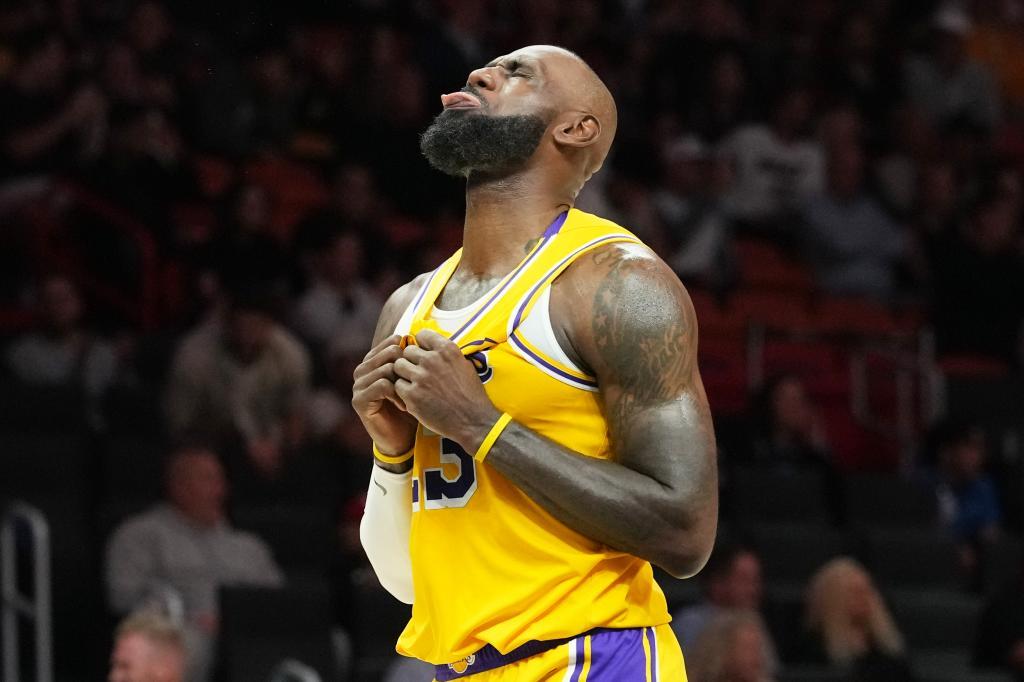
While in the locker rooms, it is one of the most common topics of conversation, the taboo about baldness and its remedies remains in public for several reasons. One of them is cultural; centuries of jokes about bald people attest to this. But another is practical: you never know if the transplant might fail. LeBron James, perhaps the greatest basketball player of all time, underwent surgery twice, according to experts - once in 2014 and again in 2019 - and yet this season he is showing noticeable hair loss again. How is it possible that multimillionaires with all the techniques at their disposal have these problems?
"It's not about the money," says Luciano Montini, medical director and lead surgeon at the Keller Clinic, one of the most renowned in Barcelona. "That same question is repeated in consultations. Many patients ask me about cases like Rafa Nadal or Cholo Simeone and I find it useful to explain what can happen." "First of all, many athletes undergo hair transplants at a very young age, under 24 or 25, and in those cases, the evolution is more difficult. The transplanted hair looks very good, lasts a lifetime, but the issue is with the other hair, which will continue its natural course and eventually fall out. But often the problem lies elsewhere: the treatments," Montini explains.
In pre or postoperative processes, three substances are usually used to help maintain the non-transplanted hair - the old hair - and none of the three are prohibited by the World Anti-Doping Agency. Minoxidil, possibly the most popular, has never been considered doping, and finasteride and dutasteride have been allowed since 2009. Without their own benefits, it was previously believed they could mask the use of steroids, but that is no longer the case. Nevertheless, most athletes are afraid to take anything for fear of a sanction. Cases like that of Yeray Álvarez, a footballer for Athletic Bilbao, who is now serving a ten-month ban, highlight the risk. Álvarez has always maintained that he only took a medication for hair loss from his partner and was unaware it contained canrenone, an illegal substance.
"Athletes in high competition are very, very, very careful about what they take, and I understand that. The drugs we use do not result in a positive test, but it is true that some choose not to continue the treatment. Or it could also be that it doesn't work for them. If we implant the hairline and the patient doesn't follow the treatment or it doesn't work, they will continue to lose hair in other areas," Montini analyses, adding that the patient's budget does not change this principle.
In the best clinics in Madrid or Barcelona, an athlete can spend 15,000 to 20,000 euros because they may request to have the place closed so no one sees them or other perks, but the implant technique will always be the same. "Each doctor uses what they consider best, but the final result is comparable. Premium treatments must be given to all clients," assures Montini, who usually works with these types of clients in the summer. Hair operations require a minimum of fifteen days off and certain precautions in the following days, and athletes only have that time during their holidays. "In the end, these treatments are very popular among athletes, and the vast majority of cases are successful," concludes the doctor.