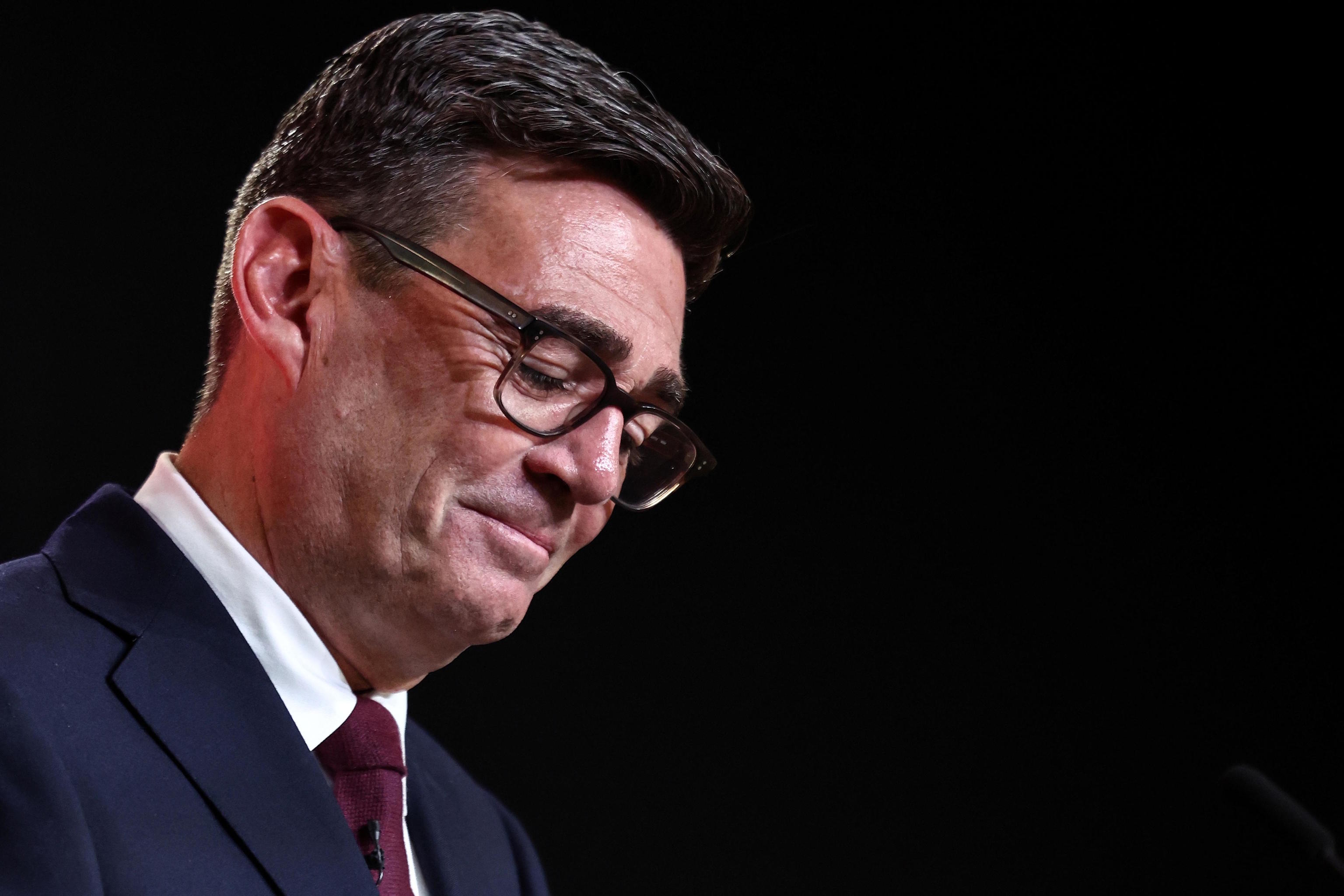
Andy Burnham is now the official leader of the Labour Party. He has the backing of 379 out of the 403 members of the party in Parliament and all the necessary unions to secure the position. There were no other candidates. Now, the former Mayor of Greater Manchester is set to take over the government leadership the day after tomorrow when the incumbent, Keir Starmer, who has been in office for less than two years, resigns.
True to his beliefs, Burnham delivered his gratitude speech to the Labour members with a long list of cities in the north of England, Scotland, and Wales linked to the industry that feel neglected by the capital, London. In fact, the major British city was the last one he mentioned.
Burnham stated, "I will be a leader of the North, South, East, and West. Of Scotland, Wales, England, and Northern Ireland." However, he clearly emphasized that "we will take back power from Westminster," referring to the London district where the Executive and the Legislature are concentrated, "and return it to where you live." The incoming Prime Minister's decentralization agenda was repeatedly highlighted with promises such as giving people "more power over essential matters so you can regain power and live better." His decentralization agenda, however, will not be carried out as a single law, like in Spain, but in the British way, through gradual devolution of powers without a clear territorial strategy.
For Burnham, the problem dates back to the eighties - in other words, to Margaret Thatcher - when the country "was centralized and deindustrialized" and "we sold off the necessary items for our survival," referring to the privatization of public service companies.
The prospective Prime Minister has stressed that "this is the last chance we have" to stop the Eurosceptic far-right of Reform-UK or even prevent the collapse of Labour, and that "we have to do it together," in a party marked by growing divisions between professionals and the working class, and between cities and rural areas.