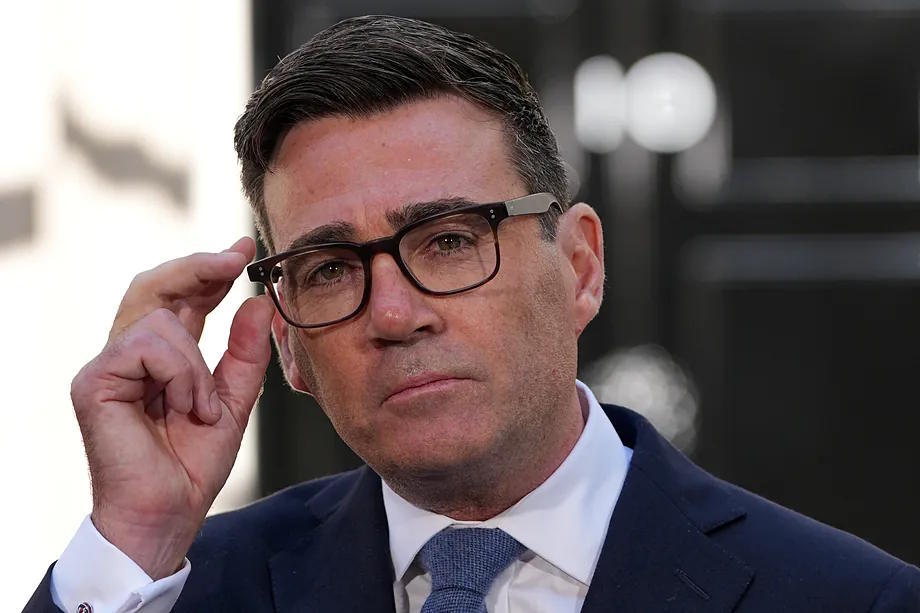
Every morning, the United Kingdom wakes up to a reduction in the state's pressure on its wallet. On Tuesday, it was the elimination, for six months, of VAT on electricity. On Wednesday, a cut in the maximum price of public bus tickets. And on Thursday, on taxes for pubs, venues where live music is played, and also certain social clubs, like those for war veterans. For the new Prime Minister, Andy Burnham, who took office on Monday, this is how what he calls the "Cost of Living Government" should act. Thus, the new British Prime Minister has become a socialist who cuts taxes.
However, these are symbolic cuts. Removing VAT will have, at most, a one-tenth impact on the Consumer Price Index (CPI), which is currently at 2.6%. The bus price reduction - which will not be applied in the capital, London - will have a smaller effect, as will the tax cuts for social centers, pubs, and live music venues. Moreover, the measures have exceptions. London is excluded from the bus ticket reduction.
The same goes for the 20% reduction in business rates for pubs and other leisure centers. Because the business rate is a kind of national Business Property Tax (BPT) in the UK for businesses. Although reducing it for pubs will have an impact - on average, each establishment will save around £1,100, or about €1,300 - others will continue to pay it. And that includes absolutely all companies in the UK that occupy a property: from the corner workshop to the gigantic British Steel metallurgical plant in Scunthorpe, which covers 795 hectares.
Burnham has benefited 32,000 establishments. And he has chosen them for their symbolism among the public opinion. But not the rest of the business community. Not even the hospitality sector. The president of the UKHospitality trade association, Allen Simpson, reacted on Thursday to the Government's decision with a harsh "restaurants are facing as many difficulties as pubs, while hotels are facing an average increase of 110% in the business rate this year."
From a political standpoint, these are very clever decisions. They are small but very visible to the average citizen, who can quickly translate them into pounds and pence, something that no macroeconomic figure can achieve. For the Prime Minister, it is also a priority not only in terms of popularity but also economic policy. Because Burnham's concern about inflation is real. If taxes are lowered, it is expected that at least some pressure on prices will decrease. And for the Government, they are technically very simple because they are administrative decisions that do not require parliamentary approval.
The problem is that a series of discounts is not an economic strategy. And London is handcuffed by a public debt that reached 94.9% of GDP in June, four tenths higher than a year earlier despite the tough fiscal adjustment imposed by Burnham's predecessor, Keir Starmer. With the price of a barrel of Brent oil above a hundred dollars due to the resumption of the war between the United States and Iran, it seems unlikely that inflation will decrease by lowering taxes on pubs and, thus, the price of beer.
Although the announced measures are a drop in the ocean of British public spending, the numbers the Government has provided to explain that they will not impact the deficit do not add up.
The elimination of the electricity VAT will cost around £850 million (€1,000 million), which the Government claims will be offset by cancelling the digital ID that Starmer had launched, with a budget of £1,800 million over three years. But here's the catch: Starmer had only said that those £1,800 million would come from spending cuts - which he never specified - on other projects. So ultimately, it is still unclear how the plan will be paid for. If anything, Burnham has cleverly cut the planned expenditure by canceling the digital ID and replacing it with the elimination of VAT; whose cost will be 53% lower.
A similar situation arises with the £2 limit on buses. Its estimated bill is £454 million (€530 million). The Government's strategy to offset this is to convert part of the UK State's subsidies for projects combating global warming in developing countries into loans.
This, in turn, has sparked anger from some on the left, who agree with the statements of Romilly Greenhill, the executive director of the Bond platform, which brings together more than 330 development aid NGOs, who has accused Burnham of "continuing to plunder the dwindling British aid for development", already heavily affected since Starmer decided to cut that allocation to increase defense spending. Finally, the business rate reduction will cost around £100 million annually (€117 million) and will be funded by cutting tax exemptions for some businesses that, according to Downing Street, do not contribute positively to British society, such as 'vape shops', and by tightening the fight against VAT fraud on digital platforms selling third-party products. Once again, these are unspecified measures.
On paper, Burnham is not increasing the deficit: he is canceling a program, reallocating funds, replacing subsidies with loans, and seeking new tax revenues. The question is whether these compensations are real, sufficient, and politically sustainable. Meanwhile, British debt yields hit their highest level this week since May, exactly when the possibility of Burnham forcing Starmer's resignation began to be considered. This time the rise was more due to the Iran war than anything else. But London's margin remains very small.