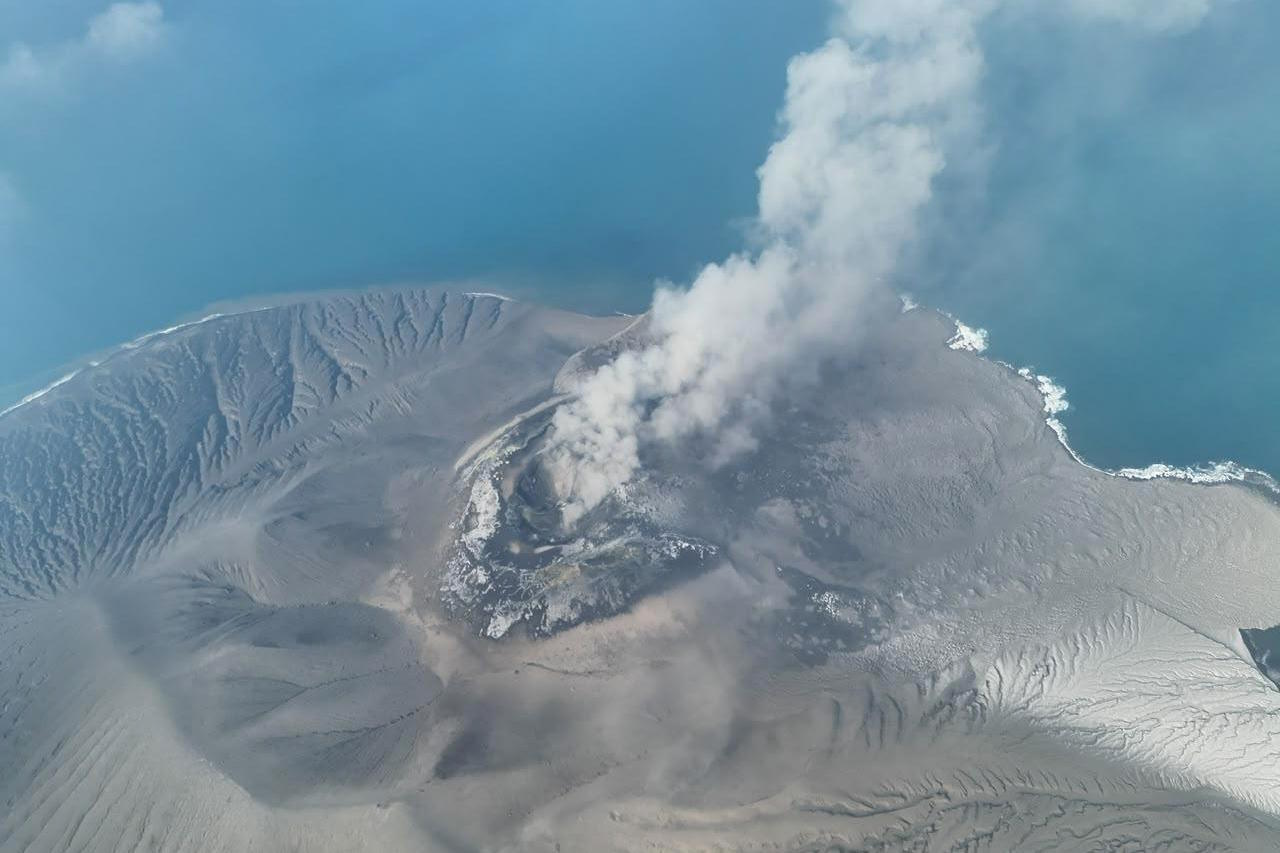
The volcanic ash expulsion has severely affected air navigation in the region, disrupting the operations of other national airports in the western part of this island country.
The intense volcanic activity began to show on Friday, culminating in a 30-second eruption recorded at 3:53 am on Sunday, during which CCTV cameras captured lava flares from the volcano. Following this event, the ash has spread across the capital, Jakarta, and various provinces such as Lampung, Banten, West Java, and Bengkulu.
This hazardous situation led AirNav Indonesia to close the airspace of the capital's main international airport, as well as Halim Perdanakusuma Airport and Radin Inten II in Lampung, due to volcanic ash. By mid-afternoon on Sunday, the flight suspension had affected a total of 516 flight movements. Over 200 flights were impacted at Jakarta's Soekarno-Hatta Airport alone, resulting in the cancellation of sixteen international and four domestic connections. This disruption directly affected around 22,800 passengers.
Indonesia's Directorate General of Civil Aviation is closely monitoring the ash cloud's evolution and coordinating necessary measures with airlines, operators, and air navigation services. Regarding this safety deployment, Lukman F. Laisa, the Director-General of Civil Aviation at the Ministry of Transportation, highlighted in a statement: "Safety remains our top priority in every operational decision." Laisa also warned that flight schedules could face significant chain disruptions affecting aircraft rotations, fleet availability, and terminal capacity as airlines work to restore operations, which have also been disrupted at tourist destinations like Bali and Medan.