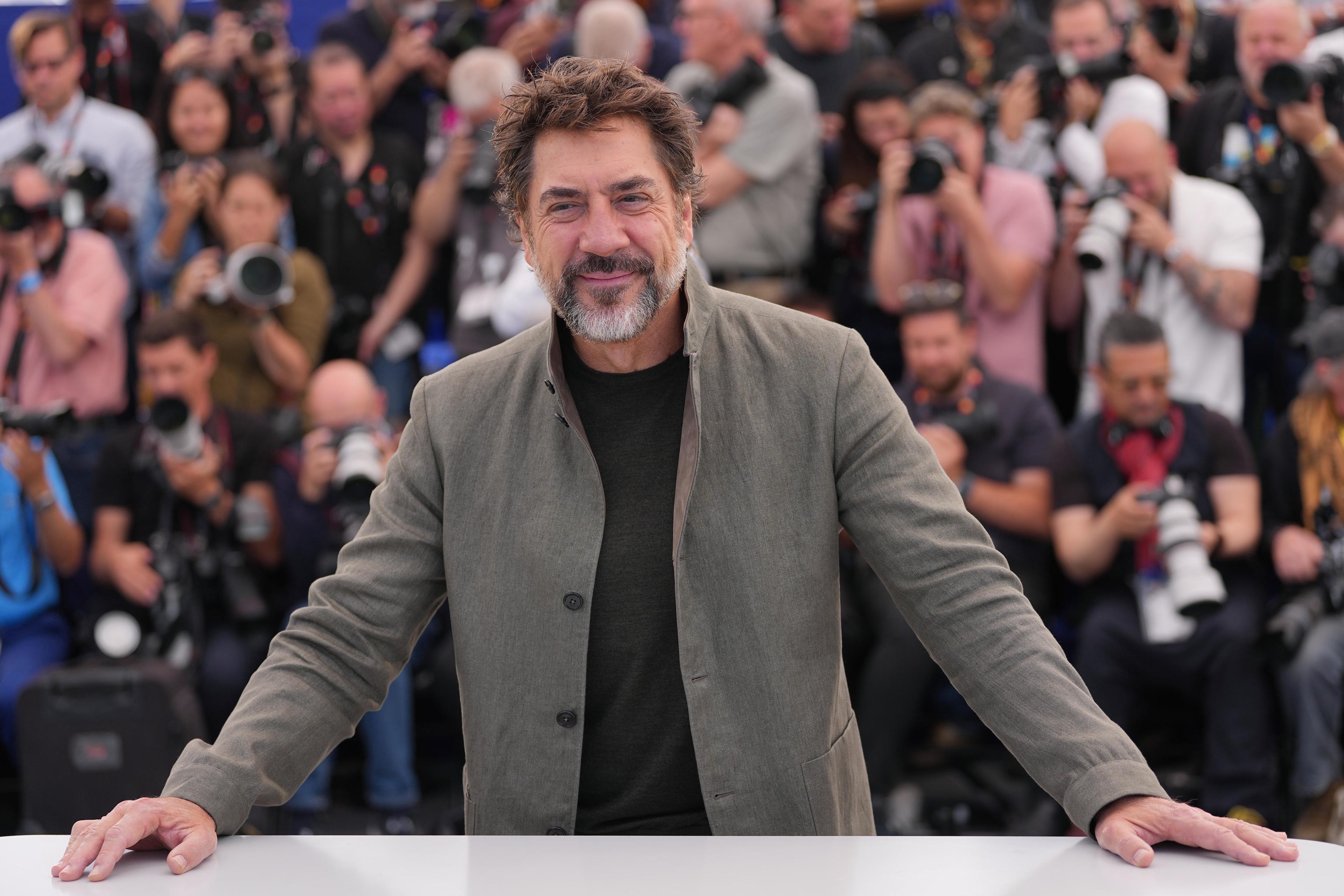
During the press conference for The Beloved, Rodrigo Sorogoyen's new film competing for the Palme d'Or, Bardem linked current geopolitical violence to a "alpha male" mentality that prioritizes aggression and bombing over diplomacy and human life.
Bardem was particularly blunt when referring to the situation in Gaza, unequivocally labeling it as "genocide". He argued that the killing of thousands of civilians is an undeniable fact that does not justify silence, warning that those who support it are complicit in these atrocities. Regarding potential professional repercussions for his statements, the actor downplayed the supposed "blacklists" against artists who support Palestine, stating that he continues to receive numerous offers in Europe, the United States, and South America. According to Bardem, this demonstrates a shift in the global narrative driven by a more conscious youth. "There is no plan B" for him, he affirmed, pointing out that his ethics are based on the values of integrity instilled in him by his mother, Pilar Bardem.
The actor's denunciation also extended to the social reality of Spain, a country he described as "very macho" due to the persistent gender violence that claims the lives of an average of two women per month. Bardem criticized the normalization of these figures and the mentality of male possession. He also urged raising awareness about the Western Sahara conflict, denouncing the violation of international law and the responsibility of France and Morocco in the "horrible situation" of the Sahrawi people.
Finally, Bardem warned about the danger posed by the lack of media democracy and the growing informational monopolies. According to the actor, this concentration of power makes it difficult for new generations to verify information, leading to an alarming radicalization in contemporary societies.