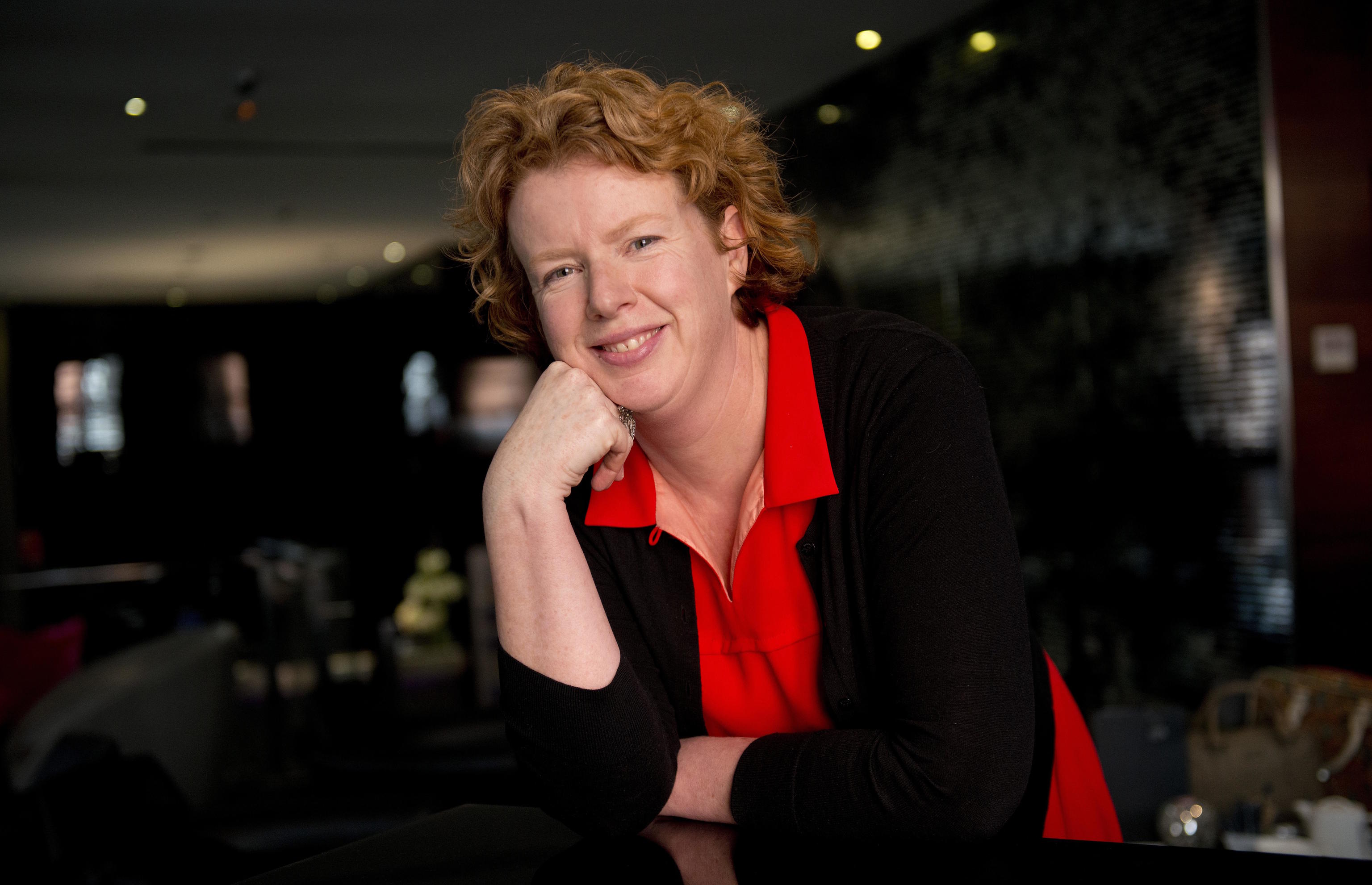
The purpose of 21st-century Medicine is to anticipate illness. Cure it before it arises. Is it possible? "No, how can we prevent an ailment that we do not know if we will develop?" Irish neurologist Suzanne O' Sullivan reflects on what today's science aimed at curing has become: a preventive branch. But not through healthy habits like staying away from tobacco or a healthy diet. This is inexpensive, although challenging to maintain in our society.
This century's Medicine has opened the doors to analyses and tests capable of predicting if a person may develop a disease. "Are we ready to accept that we may have a condition for which there is no cure?"
The neurologist from the National Hospital for Neurology and Neurosurgery in London addresses in her latest book The Era of Diagnosis (Ariel) the challenging tightrope walk that current clinical practice performs. "Overdiagnosis is a low-value medical assistance," she states. "It does not imply a misdiagnosis but points to the possibility that the harms outweigh the benefits. When managing our technical and scientific capabilities, we are not exemplary."
The Chronic Society: When Correcting Errors Leads to Excesses
That feeling of living in a sick society is reflected in the data. In our country, almost 55% of the population over 15 years old suffers from a chronic illness, according to the latest report from the Ministry of Health. Look around and see who hasn't told you they take a pill for cholesterol, are medicated for diabetes, or for a mental health condition, either occasionally or chronically.
Joan-Ramon Laporte: "You don't need to take a pill for every life problem"
Perhaps, as O' Sullivan points out, today it's just about correcting the mistakes made at the end of the last century: "People went to the doctor too late with diseases like diabetes, or children with special learning needs were not recognized. So we had a moment where people were neglected, and their need for help was not recognized."
And as humans tend to extremes, we lean too much towards screenings, towards tests just in case. Are they really useful? "Are we turning healthy individuals into patients?" "I understand that scientific progress sometimes requires us to do things we don't understand for a while," the neurologist acknowledges. "At the same time, I feel we should focus more on people who are sick and less on turning healthy individuals into patients."
The Emotional Cost of Fear of Diagnosis
Fictional name, real situation. Ruben's mother was advised to have an ultrasound shortly after he was born. They perform the tests in private healthcare and find two liver cysts in Ruben. For five years, Ruben undergoes an annual ultrasound and blood tests until the definitive diagnosis arrives: congenital, benign, and asymptomatic malformation that is reducing in size.
Was it necessary to subject that child and his parents to that stress? The dilemma is served. "The fear of diagnosis drives us towards too many tests, too many labels, and too many treatments," the neurologist concludes. In this era of overdiagnosis and overmedicalization that society deals with, the prevailing tense is the conditional andif. In O' Sullivan's thesis, another factor is added: today's improvements in techniques serve to recognize syndromes, disorders, and diseases more easily.
The Lack of Time: The 'Conditional' in Consultation
And to that is added the lack of time in the consultation. "Doctors do not have time to build relationships with people and know if they are or will be patients, what they are dealing with in their lives, what causes them discomfort, and to detect if they will need a test or medication," accuses the neurologist. With only seven minutes on average that a primary care doctor has, a good medical history or clinical interview cannot be conducted.
If after the first few minutes there are suspicions of something serious, the physician says, "I won't be the one to say no to a test." "If someone comes to me thinking they have a brain tumor, I don't want to be the doctor who says no, so you refer them for a special test," the neurologist acknowledges. At the same time, she states, "We must not allow that fear to drive us to harm people's health with too many diagnoses and too many treatments."
In December 2024, 3,899,828 Spaniards were waiting for an appointment with a medical specialist and 846,583 were waiting for surgery in the public health system. "We have a large number of people at this end: waiting for unequivocally useful and scientifically proven treatments, while we spend money on speculative tests that we do not fully understand."
The Medicalization of Life and New Diagnoses
O' Sullivan's theses are supported by current data and trends. Joan-Ramon Laporte, through Chronicle of an Intoxicated Society (Peninsula), conducts a thorough analysis of overmedicalization. In Spain, just three years ago, over 1.1 billion prescriptions were issued by the public health system (23 prescriptions per inhabitant).
The former Pharmacology professor at the Autonomous University of Barcelona warns of the high consumption of drugs, many unnecessary to alleviate psychological discomfort derived from social problems. "We have medicalized life," he stated. "A doctor needs to talk and look into the patient's eyes to understand the context in which the illness occurs," he affirmed.
O' Sullivan lists the syndromes and diseases that have gained fame due to increased diagnosis: Huntington's, Lyme disease, persistent Covid, autism, cancer, attention deficit hyperactivity disorder (ADHD), depression, neurodiversity, and unnamed syndrome.
The Positive Side of Diagnosis: Clarity and Peace of Mind
"In these cases [rare diseases], answers are necessary," argues the neurologist. O' Sullivan has witnessed in her practice that knowing what's happening, even if there is no pill to cure or prevent it, is also therapeutic. "It is positive because it brings peace of mind, and there are people who, faced with evident suffering, need clarity."
But, on the other hand, there are diseases that have a label but no cure. "If I accept a diagnosis as an explanation and there is no cure or treatment, it could reinforce the symptoms." Here, the neurologist refers to neurodegenerative diseases such as Huntington's and dementias.