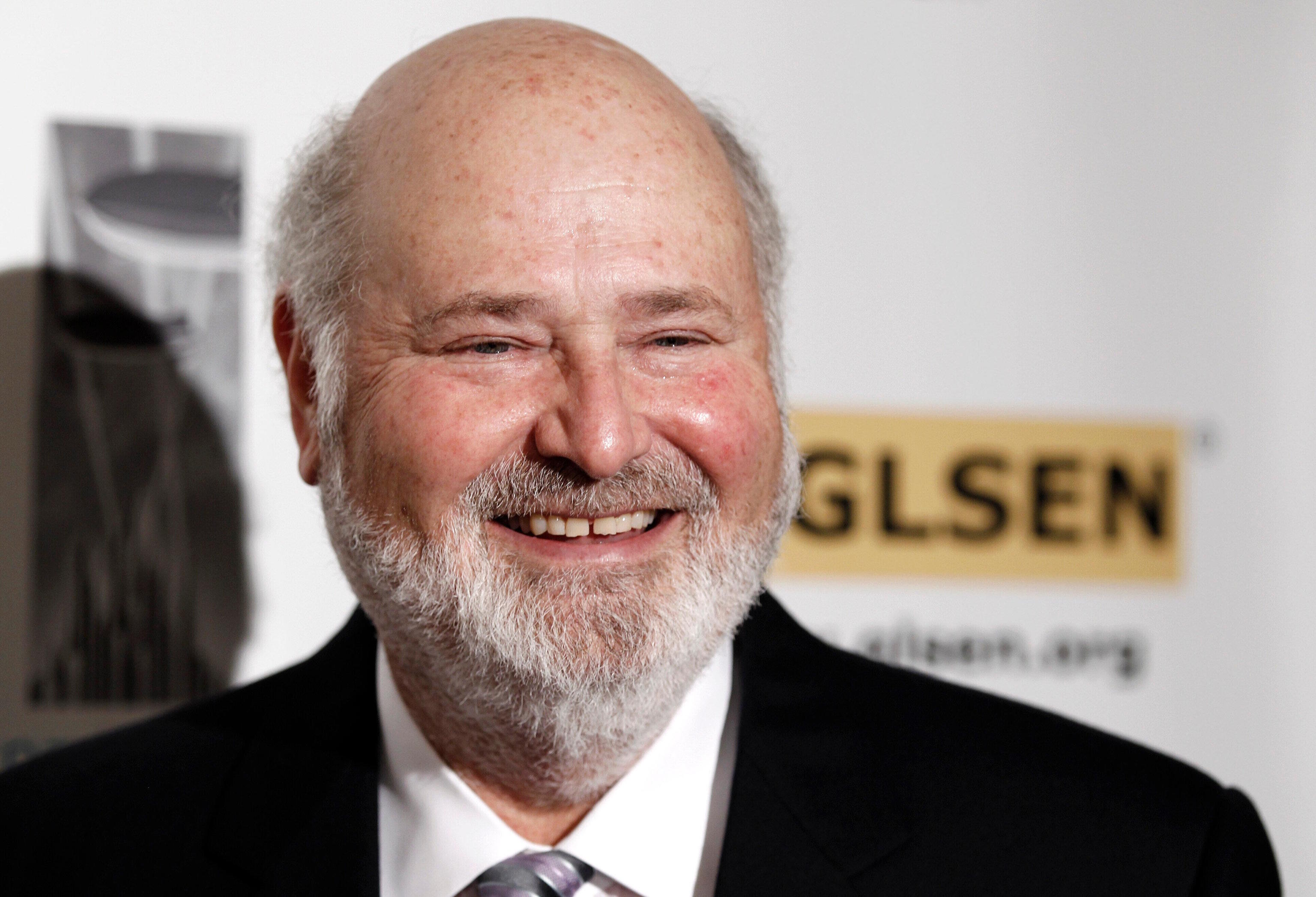
Few directors, probably none, can boast like Rob Reiner (New York, 1947 - Los Angeles 2025) of having on his resume one of the best romantic comedies in history, one of the best legal dramas in history, one of the best Stephen King adaptations in history, one of the best fantasy and adventure tales in history, and the first and most amusing of all mockumentaries ever filmed. Historic. Indeed, Rob Reiner, found murdered in his home yesterday alongside his wife Michele, completed a prodigious succession of seven unforgettable films between 1984 and 1992 that placed him at the top of filmmakers who may not be the best, but undoubtedly the most beloved in history. Recently, on the occasion of the sequel's release 40 years after This is Spinal Tap, he confessed to the enormous pressure that has accompanied him throughout his life whenever a devoted fan requested a sequel to any of his films that had inevitably changed lives. His and the fans'. "One feels uncomfortable and with an enormous responsibility not sought after," he confessed in an interview. And he continued: "However, the most beautiful thing is when people approach me to say that The Princess Bride has been their favorite movie all their life and now it is their child's favorite. People come up to me and say, 'I watched it when I was six years old and now I show it to my child.' That makes me happy."
By chance or fate, death has struck him just after completing two works that undoubtedly define his life and work. Still unreleased in Spain, in September of this year, the highly anticipated second installment of the most famous mockumentary in the history of cinema was released (the term, now a common term to refer to a fake documentary, is a contraction of joke and documentary in English, invented by Reiner himself). In the new film bearing the name Spinal Tap II: The Final Continues, the band composed of the very unlikely rockers Christopher Guest, Michael McKean, and Harry Shearer in the roles of guitarist Nigel Tufnel, singer David St. Hubbins, and bassist Derek Smalls return aged, ready to review and clean up four decades later each of the old jokes with a special mention of Stonehenge, of course, and with the stellar collaboration of people like Elton John or Paul McCartney among many others. Unintentionally, the comedy exudes a deep melancholy that, in its own way, perfectly defines the character and worldview of an essential and amusingly melancholic filmmaker. The band Spinal Tap, remember, transcended the screen and amidst jokes and truths became a rock group with their more or less serious, more or less incredible tours. And so it goes until they performed at the Live Earth concert at Wembley Stadium, London, on July 7, 2007.
Shortly before, last year, Reiner produced God and Country by Dan Partland, a documentary far from any hint of humor that starkly described the growing influence of evangelical churches in American politics. The film observes with astonishment how Christian nationalism, the same one advocated by movements like Hazte Oír in Spain, has turned churches into activist cells with preachers inciting hatred against Democrats and pastors willing to fight their creed with the weapons they carry in their sermons. According to the film and Reiner himself, this is a movement that has seen in the current President Trump a way to end the Constitution and democracy that prevent their deeply reactionary ideal from being implemented. For now, the repeal of abortion rights with the review of the historic Roe v. Wade Supreme Court ruling of 1973 stands out among its most evident achievements. And growing. In its own way, this film can also be read as a sequel to the entire life of a man raised in reason, not faith, a liberal and political activist who fought for the repeal of the ban on same-sex marriage in California and who fully supported redirecting tobacco taxes to programs for child protection. His 1996 film Ghosts of Mississippi, about the trial of civil rights defender Medgar Evers' killer, is another testament to his commitment.
At his death at 78, he leaves a legacy of nearly 100 films as an actor, including his recent appearances in the series The Bear, and about thirty in which he served as a director. The Bucket List (2007), with Jack Nicholson and Morgan Freeman, or The Story of Us (1999) with Michelle Pfeiffer and Bruce Willis are just two of those titles that one inevitably stumbles upon. But among them, seven films close to miraculous. A hilarious mockumentary; a delightful romantic comedy worthy successor to It Happened One Night by Frank Capra; an unforgettable tale about the hazards of growing up with a body at the bottom; the story Inigo Montoya deserved; another glorious romantic comedy, the most glorious of them all with Meg Ryan and Billy Crystal perfect in each of their imperfections; the most harrowing horror story about the risks of admiring someone with Kathy Bates and James Caan like never before, and the most quoted legal movie in history with Tom Cruise on his way to paradise. In order, This is Spinal Tap, The Sure Thing, Stand by Me, The Princess Bride, When Harry Met Sally, Misery, and A Few Good Men.Rob Reiner, the filmmaker who did everything right.