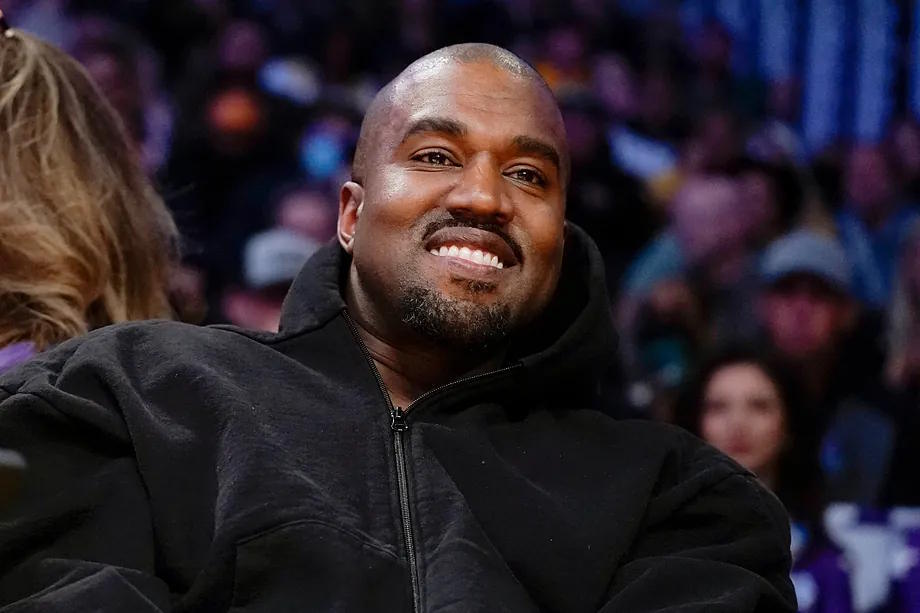
Pepsi has announced its decision to withdraw its sponsorship from the Wireless Festival in London, one of the UK's largest urban music events, following the controversy surrounding the hiring of rapper Kanye West, now known as Ye, as the main artist for the three nights of the festival scheduled from July 10 to 12.
The move ends a collaboration of over a decade between the beverage brand and the festival, which was officially promoted under the name Pepsi MAX Presents Wireless. The company did not publicly detail the specific reasons for its withdrawal, although its announcement came shortly after British Prime Minister Sir Keir Starmer described West's presence on the lineup as "deeply concerning" due to his past antisemitic comments and expressions of admiration for Nazi symbols.
The hiring of the rapper - who has faced strong criticism in recent years for his history of offensive statements, including a song titled Heil Hitler and the sale of t-shirts with swastikas - has sparked a strong political and social reaction in the UK. Community organizations and public figures have also called for his participation to be canceled or even for him to be denied entry into the country under British immigration rules.
In addition to Pepsi, other companies, such as Diageo - owner of brands like Johnnie Walker and Captain Morgan - have announced that they will also withdraw their support for the festival due to the same reputation concerns.
The situation has sparked a broader debate about the role of sponsors and ethical criteria in brand partnerships with controversial artists, while the organizers of the Wireless Festival have not yet announced any changes to their lineup.
Several politicians from all parties have called in the past hours to ban the rapper from entering the country, while the Home Office indicates that it has not yet received any request from their end.
Labour MP Rachael Maskell stated that "he should not be given a platform" and Liberal Democrat leader Ed Davey called for him to be banned from entry because "we must take a tougher stance against antisemitism".
Conservative leader Kemi Badenoch said that "we should not give a voice to people who make antisemitic statements or spread any content that incites violence and hatred against Jews".
Last January, the American artist apologized through an announcement in the 'Wall Street Journal', where he stated that he was "not a Nazi or antisemitic" and attributed his behavior to a bipolar episode that had "ruined his life".