A 30-day road trip covering 5,000 kilometers, 10 states, 73 hours behind the wheel, 21 festivals and concerts, countless detours, numerous characters, several kilos of Cajun food, a few ghosts, many anecdotes... and a river, the Mississippi, the backbone of this historical, artistic, cultural, and, why not, sentimental journey in search of the musical roots of the United States.
It's the numerical dance that encapsulates Route 61, also known as The blues highway (the blues highway), which, always in the shadow of the much more famous and commercial Route 66, runs parallel to the river from north to south, from its source in Lake Itasca in Minnesota to its mouth in the Gulf of Mexico, near New Orleans, the birthplace of jazz.
This is the journey that Extremaduran journalist Elena Ortega has embarked on, specializing in tourism and travel with several trips around the globe under her belt, to capture it in the 192 pages of her first book, Route 61. A sound journey following the Mississippi, recently published by Anaya Touring. Although she preferred to go against the current and make the journey in reverse, from south to north, starting in the legendary city of Louisiana with Spanish and French reminiscences and concluding at the origin of the country's longest river (and the fourth on the planet). Or "the father of waters", as the Ojibwa indigenous people called it.
Well, Ortega couldn't think of a better ending for her adventure, which she had been planning for a decade and finally materialized last summer. "I have been able to fulfill my American dream," she proudly states about her literary creation, which in a way pays tribute to her father, a pianist, and to the entire music scene she absorbed as a child. Even though she thought her first novel would be about "love and an important historical event" that she has been pondering for years but hasn't finished. "As a child, I used to write travel guides to Disney, Paris, or London with my family," she recalls.
Structured in eight geographical stages, the book alternates personal chronicles with a practical guide, accompanied by both historical photographs (keep an eye out for Bob Dylan during the recording of the album Highway 61 Revisited in 1965) and current ones, a map by illustrator Jordi Català, and a downloadable soundtrack through a QR code. "It's the book I would have liked to have when starting the journey," she summarizes.
The History of a Country
Not surprisingly, the first thing that surprised her was the lack of documentation about this route, despite "telling the story of an entire country through its music. And not only that, but the history of modern sounds from the rest of the world." It translates into a compendium of interwoven stories that delve into the origins of contemporary music. "Everything we hear now is influenced by that itinerary and its social context. Without it, bands like The Rolling Stones or The Beatles wouldn't exist," she explains.
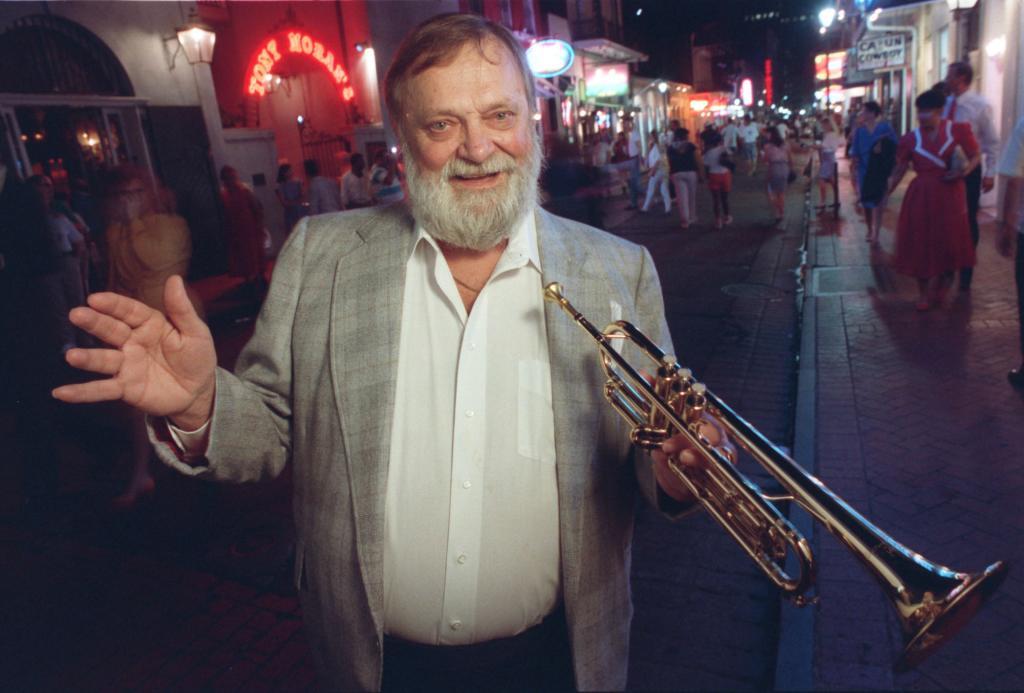
For example, the echoes of those slaves who, after toiling from sunup to sundown in the cotton fields, celebrated their day off with folk dances in Congo Square in New Orleans, where Louis Armstrong, one of the fathers of jazz, was also born. The journalist even attended the festival that pays tribute to him every August in his hometown, the Satchmo SummerFest. "As if guided by the Pied Piper, I suddenly found myself surrounded by a procession that carried the rhythm of trumpets, trombones, tubas, and street drums from street to street to the Jazz Museum."
The beginnings of Elvis Presley in the evangelical church of Tupelo are not missing, nor his eternal mark in Memphis, where Ortega coincided with an Elvis impersonator contest. She also encountered Taylor Swift fans in Nashville, where the singer moved at 14 to succeed in the country music universe.
The novel also features the adventures of B. B. King, Muddy Waters, Tina Turner, or the ghost of Robert Johnson, the king of delta blues. They say he appears where he sold his soul to the devil for glory. Where? At one of those cinematic crossroads, the intersection of Route 49 with 61, in the town of Clarksdale (Mississippi).
That very location is featured on the cover of the book. "His figure impressed me because Johnson has influenced countless legends." To the extent of ranking fifth on the list of the 100 greatest guitarists of all time by Rolling Stone magazine. Less popular characters like Cuban pianist Víctor Campbell also make an appearance, who participated in Sinners, the film with the most Oscar nominations (16). Another example of the myriad stories the writer weaved on the road.