France is preparing for a heatwave comparable to the one experienced in August 2003, which resulted in around 14,800 deaths. "At the beginning of next week, we could have the hottest days ever recorded in the country," warned Sophie Voirin, the director of Météo France, as temperatures continue to rise.
Sixty departments are on orange alert during the weekend, with temperatures expected to exceed 40 degrees in various parts of the country, ten to fifteen degrees above normal for the beginning of summer. More than 70 trains have been suspended, over a hundred schools closed their doors on Friday, and dozens of outdoor events have been canceled.
Prime Minister Sébastian Lecornu activated the interministerial crisis center in Beauvau on Saturday to oversee the situation, with the Ministries of Health, Interior, Transport, Culture, and Education coordinating their actions and on high alert.
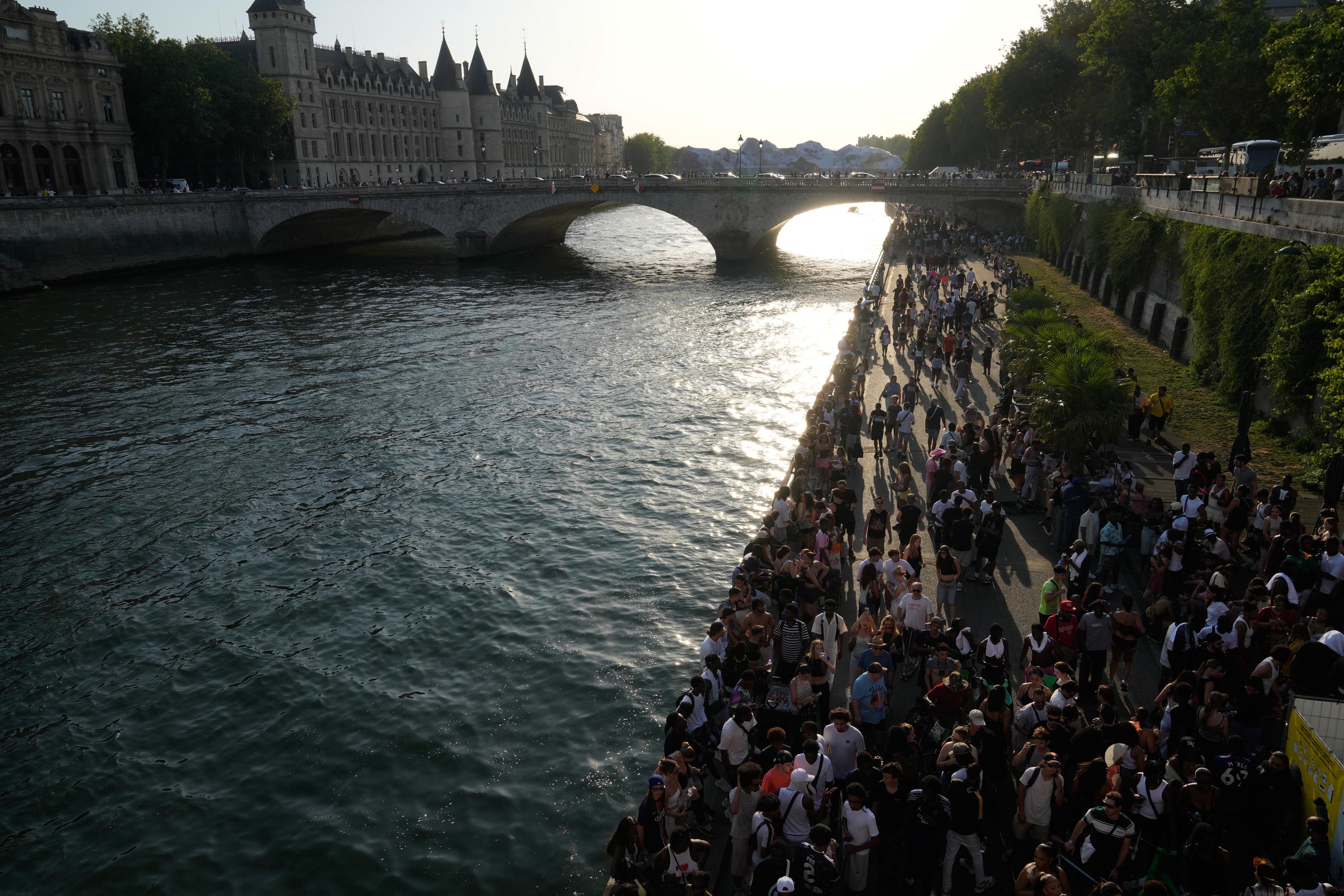
Culture Minister Catherine Pégard urged attendees at the Music Festival taking place across the country to exercise "extreme caution" on Saturday. "We are in contact with local authorities, and some concerts may be canceled last minute if extreme heat requires it," Pégard warned.
"More than half of the country could be affected by this extreme heatwave that is settling in and is expected to last at least until early next week," read the statement from Météo France, which also warned of the risk of thunderstorms and wind gusts exceeding 100 kilometers per hour in regions like Hauts-de-France.
The first summer heatwave in France comes a month after the "heat dome" episode (a mass of warm air from North Africa trapped under a high-pressure system) that affected Western Europe and broke temperature records for May in France, with 37 degrees recorded in Hossegor (near Biarritz). At least seven people are estimated to have died in incidents related to the extreme heat in May, including five drownings in rivers and lakes.
The current heatwave in France brings back the tragic memory of the heatwave between August 1 and 15, 2003, which caused a 55% increase in mortality and exposed the country's lack of preparedness for extreme heat. The number of victims associated with the extreme heat was initially estimated at 3,000, but a final report published in September of that year nearly quintupled the figure, triggering a political crisis that implicated then-President Jacques Chirac, who remained silent during the critical situation and only spoke at the end of his vacation.