An outbreak of cyclosporiasis has caused at least 2,640 cases and 44 hospitalizations in Michigan (USA). This disease, caused by the Cyclospora parasite, is transmitted through water and food contaminated with feces.
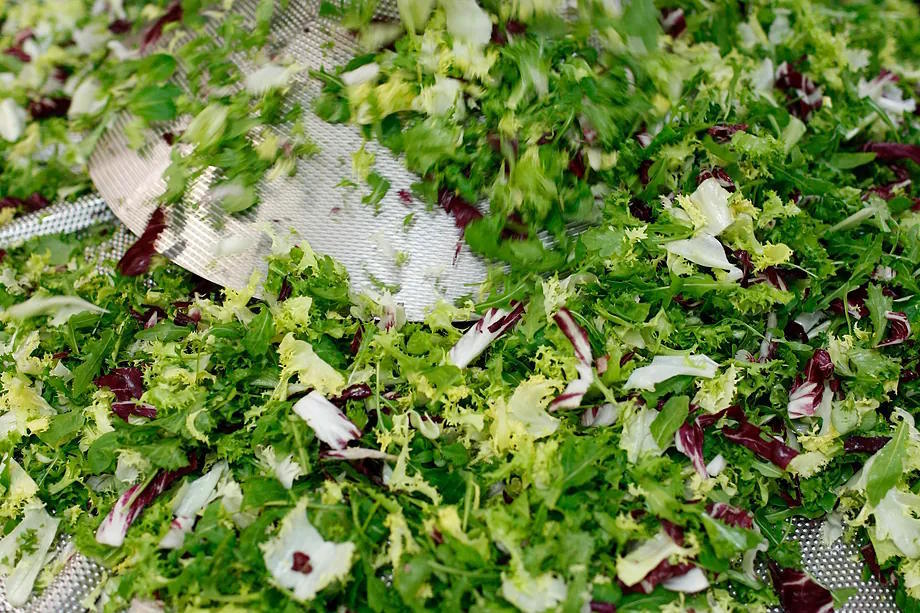
According to initial investigations, the outbreak seems to be linked to the consumption of contaminated salads or leafy greens.
In addition to Michigan, the most affected state by the outbreak, the Centers for Disease Control and Prevention in the US (CDC) have reported an increase in cyclosporiasis cases in other states such as New York, Ohio, Illinois, Indiana, and Kentucky.
This year is "on track to be the worst year on record" for cyclosporiasis in the United States, stated Caitlin Rivers, an epidemiologist at the Johns Hopkins Bloomberg School of Public Health, in an interview with The New York Times.
Infections by Cyclospora cause watery diarrhea, frequent and sometimes explosive bowel movements. Common symptoms may also include loss of appetite, cramps, bloating, nausea, and fatigue. The disease usually does not lead to serious complications.
Cyclospora is a microscopic parasite, also known to cause the so-called 'traveler's diarrhea'.
Most historically recorded outbreaks have been linked to the consumption of contaminated fresh fruits and vegetables.
Therefore, recommendations to prevent infections include thorough washing of vegetables before consumption.
Cyclosporiasis only occurs in humans, and the parasite originates from the feces of infected individuals. The parasite is transmitted when the feces of infected individuals contaminate food or water.
The parasite needs to spend some time in specific environmental conditions to become infectious and subsequently cause infection; therefore, it is unlikely for this parasite to be directly transmitted from person to person.
The incubation period is approximately one week after consuming contaminated food or water.
To make a diagnosis, a stool analysis is necessary in a laboratory. The immature state of the Cyclospora parasite (oocyst) can be identified using specialized laboratory methods.