Snow buries Hokkaido every winter, but except for its bears, no one hibernates on Japan's northernmost island. Too many stimuli await the intrepid traveler in Japan's last frontier. It is a unique destination, still unknown to nature and adventure lovers, which for centuries was inhabited only by the Ainu, the indigenous people of this remote corner of the map. It wasn't until the late 19th century that the Japanese, fearing the Russian giant, decided to annex the territory.
Hokkaido offers a different experience with each season. Its famous powdery snow attracts the most discerning skiers in the world in winter. When spring arrives, its valleys, mountains, and volcanoes come alive. Summer is a feast in its orchards and flower fields, and autumn is magnificent for exploring dense forests, conquering a summit, paddling in a river, or finding balance in the restorative onsen, the hot springs. For the Japanese themselves, so sensitive to every gesture of nature, Hokkaido is sensational.
And for city dwellers? For them, there are endless possibilities in Sapporo, a perfect grid with a frenzy of skyscrapers, shops, restaurants, markets, and the largest entertainment district in the country outside Tokyo. The island's capital, which hosted the Winter Olympics in 1972, also serves as the great seducer of Hokkaido's gastronomy, another major reason to make it a base of operations.
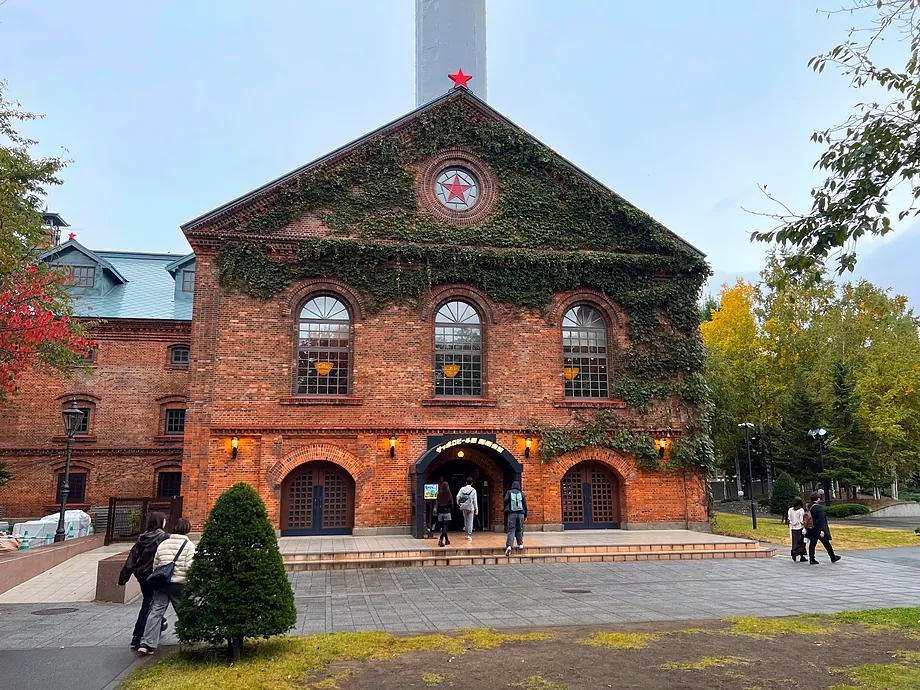
If you have ever ordered a Sapporo beer, you have already tasted something from these lands dating back to 1877. A visit to the iconic red brick brewery, now transformed into the Sapporo Beer Museum, is much more than a tourist attraction. You can take the standard tour and taste the original recipe of the red star lager, the country's oldest brand. Even more memorable is the visit to the Sapporo Beer Garden to enjoy the traditional jingisukan, the first culinary (and cultural) must-try in Hokkaido. It consists of a barbecue of marinated lamb cooked by all diners in the center of the table. It is served with rice, vegetables, and a delicious sauce. Need more rice? A robot takes care of bringing it amidst the excitement of this restaurant resembling a huge smoking barn. To complement the experience, you must order Sapporo Five Star, the beer that you can only taste at this brewery.
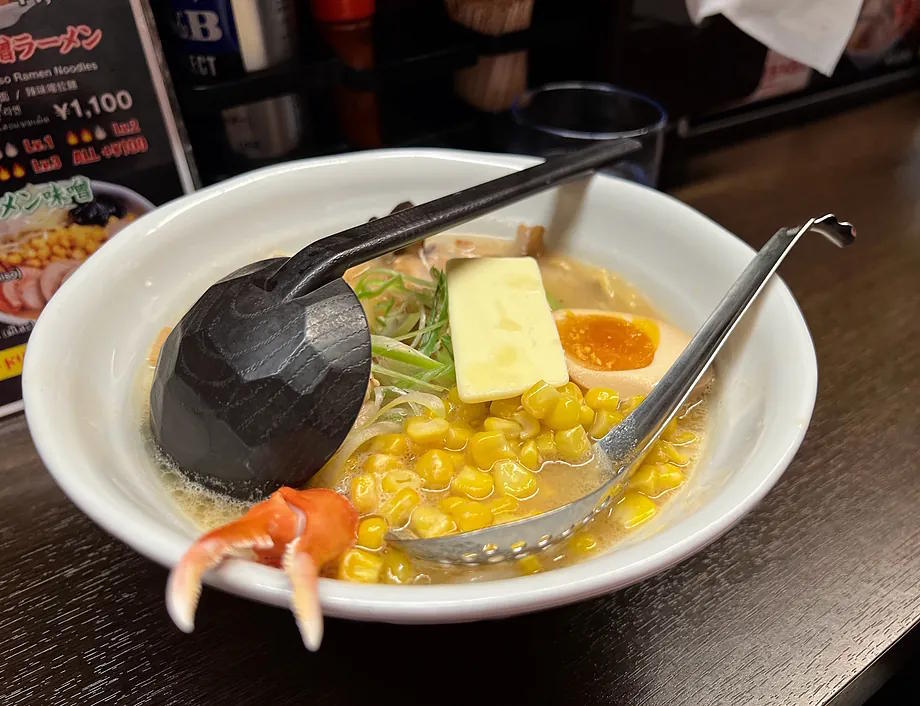
Every corner of Japan —a country that in 2025 has seen a historic record of Spanish tourists— proudly showcases its own culinary treasures. Sapporo's other great star is its unique version of ramen, here with a miso base. To try it, there is an absolute must-visit place: Ganso Ramen Yokocho, known in English as Ramen Alley, an extremely narrow street lined with tiny family-run ramen shops. The secret lies in the spectacular fresh produce of the island. Here, the bowl of noodles is filled with all kinds of seafood, especially crab and sea urchin, and topped off with corn and a generous spoonful of the local butter, the most famous in the country.
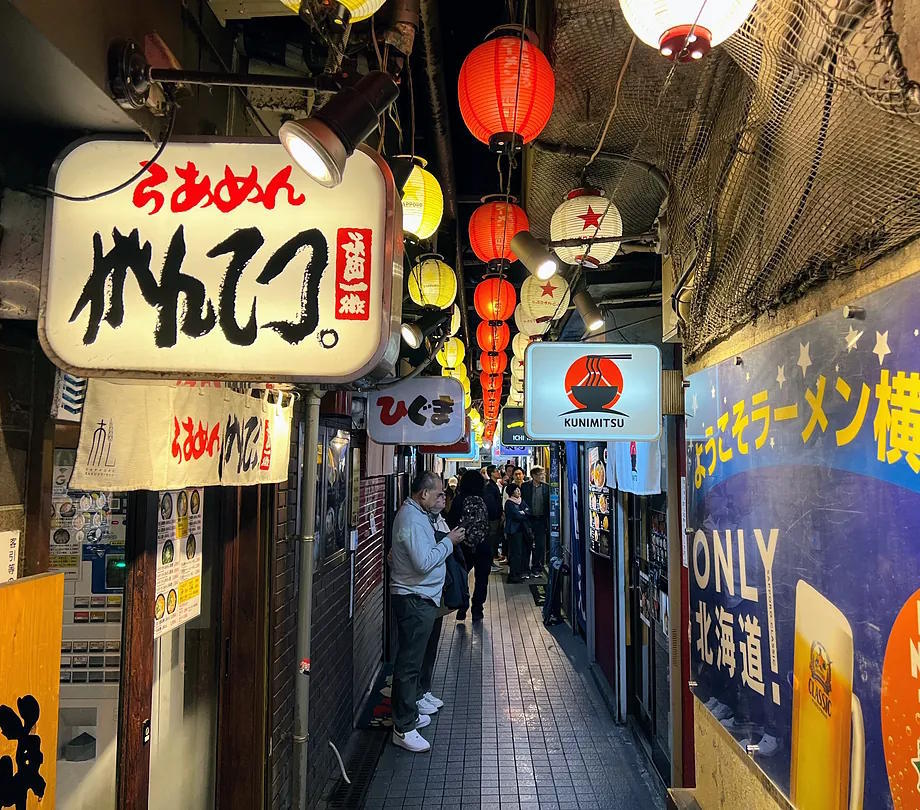
Ramen Alley is unmistakable. We are in Susukino, the ultimate nightlife area, the most vibrant and enjoyable side of Sapporo. Shops everywhere, izakayas where you can eat and drink endlessly, karaoke spots here and there... There is always a lively atmosphere. Not to mention during the famous Sapporo Snow Festival —this year between February 4 and 11— when Odori Park is filled with giant ice sculptures, attracting millions of visitors. Needless to say, you need to bundle up. Although cold, by the way, the popular shime-parfait is enjoyed all year round, especially after or during a night of revelry. It is the perfect plan to mingle with the locals who are crazy about this creative creamy ice cream with a mountain of fruit on top. Craving something sweet? Indulge in Shiroi Koibito cookies, filled with soft chocolate, a sample of Japanese pastry that approaches the category of art.
The fish market
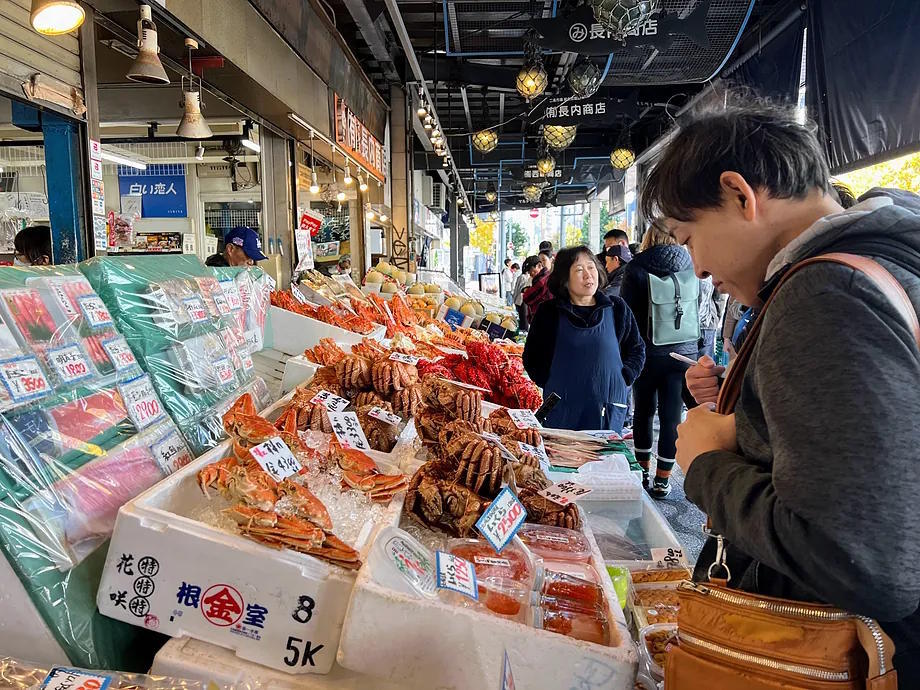
The culinary journey would not be complete without a visit to Nijo Fish Market, with over 100 years of history. The scene is filled with stalls of XXL crabs, plenty of dried fish and seafood, such as stingray fins, sardines, and scallops (usually enjoyed with sake), as well as a wide array of seaweed. After browsing around, it's best to find a restaurant —Donbe is a safe bet— to treat yourself to a kaisendon, the traditional bowl of rice topped with fresh sashimi (around 15 euros) that you will remember throughout the trip.
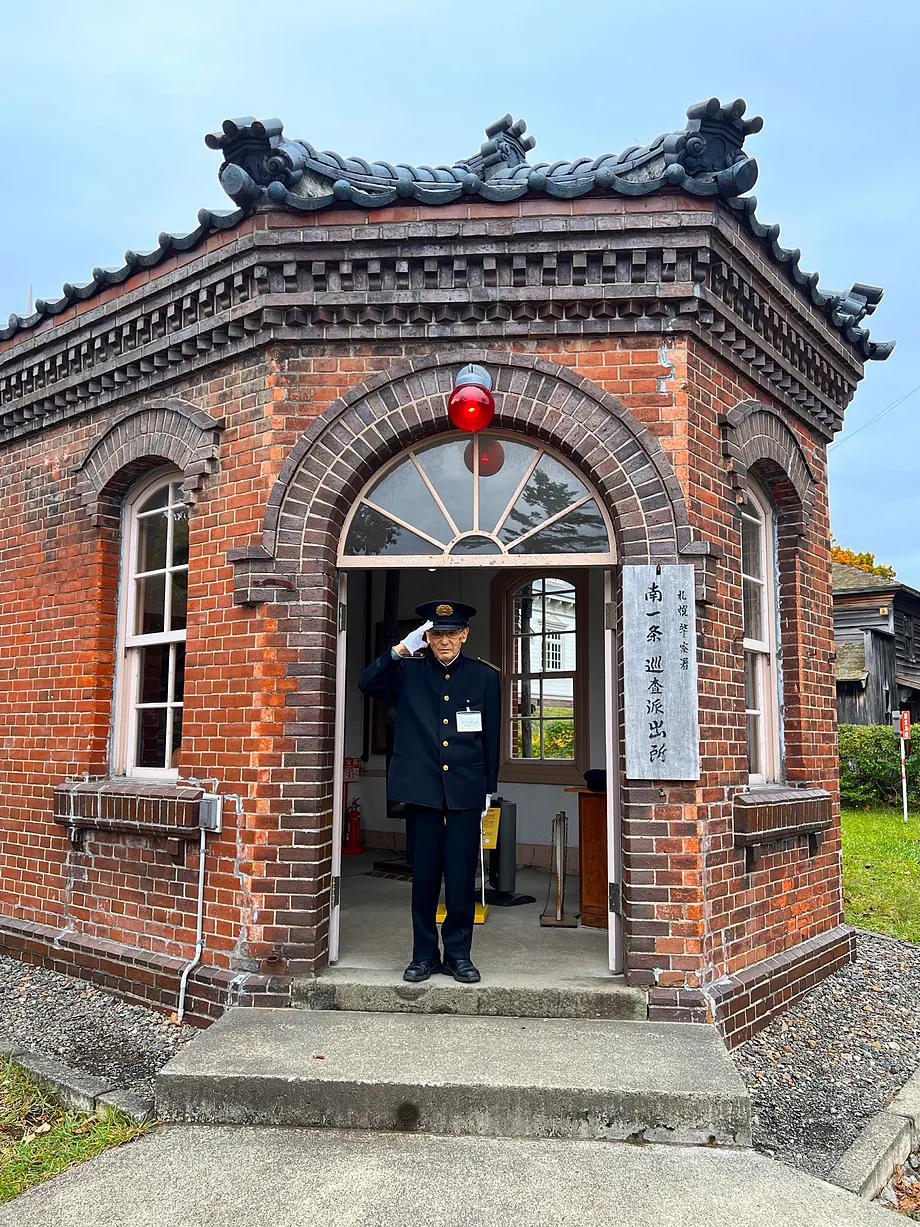
To shake off all that protein, there are options. Just by going up the grand Sapporo TV Tower, an icon of the city, you will see that we are surrounded by mountains. The scent of adventure in nature can be felt from up there. What a view. The city also boasts fantastic parks in the surroundings. Moerenuma Park, designed by sculptor and landscaper Isamu Noguchi, is one of them. It is also worth visiting the Historical Village of Hokkaido, composed of about 60 buildings that replicate life in the late 19th century on the island: houses, workshops, warehouses, schools... All exquisitely furnished and decorated.
Jozankei, Onsen destination
It's time to explore the explosive nature of the island. It depends on the season we are in. In winter, like now, it's a must to head to Niseko, Japan's number one white domain, thanks to its excellent powdery snow. If it's spring or summer, we should head to the spectacular flower fields of Furano, one of the most photographed (and Instagrammable) sights in Hokkaido. In autumn, oh autumn!, the Shikotsu-Toya National Park beckons the traveler.
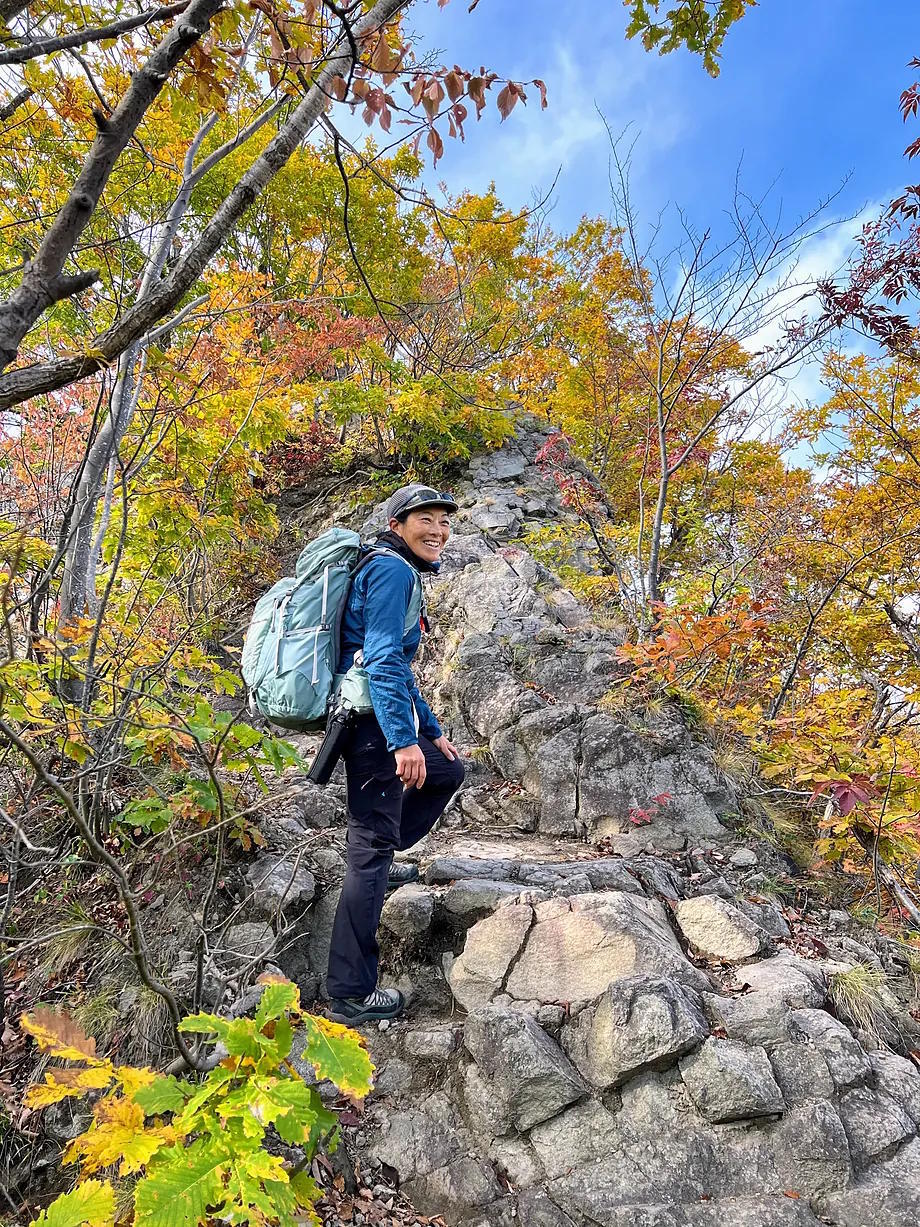
This natural beauty, about an hour from the capital via incredible roads painted in myriad colors, is known for its caldera lakes, active volcanoes, dense forests, and hot springs. Hikers have a feast ahead of them. Where to go? For example, to the hot spring town of Jozankei. Dozens of restaurants, souvenir shops, and a dozen ryokans offering access to hot springs welcome the traveler in this popular destination surrounded by imposing nature. And if you were never top-notch in physical education, that's okay. Mount Hakken is ideal for all levels, yet steep enough to add excitement to the hike. Michiko Aoki, a certified mountain guide, knows this corner of the national park like the back of her hand. Slowly and attentively, she leads the narrow trail among birch, maple, ash, linden, and katsura trees. Every time this tapestry clears, the mountainous landscape takes your breath away.