Cardiovascular diseases are the leading cause of death in the world. In Spain, they have ranked second in the last two years, just behind - by a small margin - oncological diseases, although they remain the main cause of death among Spanish women. Around 120,000 people die each year in our country from these conditions. In the US, half of adults suffer from some form of cardiovascular disease, and the American Heart Association (AHA) projects that this number will increase by 2050 due to the rise in hypertension, diabetes, and obesity.
Key factors in these issues are nutrition and exercise. In the US, where over 40% of adults and more than 20% of children are obese, only one in four adults and one in five youths (aged 6 to 17) meet the national physical activity recommendations. According to the European Health Survey in Spain (EESE), 54.1% of adults in our country are overweight (37.6% with overweight and 16.5% with obesity), a figure that continues to rise. This silent epidemic thrives on chronic sedentary behavior: almost 36% of the population admits to not engaging in any physical activity in their leisure time. Children's physical activity is no better: the PASOS study (by the Gasol Foundation) indicates that 33% of Spanish minors are overweight and that only 36% meet the WHO's physical activity recommendation.
Faced with the bleak outlook for the hearts of the new generations, the AHA has just published an update to its journal Circulation with the 2026 dietary guidelines, with a clear idea: what we eat today will determine the health of our hearts in the coming decades. The American association publishes such evidence-based guidelines every five years. The 2026 Dietary Guidelines for Cardiovascular Health: Scientific Statement from the American Heart Association updates the 2021 guidelines with the latest scientific advances.
"Our 2026 guidelines may seem familiar, as they have not changed much from the 2021 recommendations. We have found that the scientific evidence supporting these guidelines has strengthened. This increased scientific support drives some important, albeit subtle, updates that ensure the guidelines remain aligned with the most recent and robust scientific knowledge on diet and cardiovascular health," says Alice H. Lichtenstein, volunteer chair of the scientific writing committee and principal investigator and leader of the Diet and Prevention of Chronic Diseases Directive at the USDA Human Nutrition Research Center on Aging at Tufts University in Boston.
The new guide does not impose strict prohibitions, focusing on a flexible but firm dietary pattern. According to the AHA, its design aims to provide flexibility to customize a healthy dietary pattern that fits personal preferences, ethnic and religious practices, needs and budget, and different life stages. It considers this the best approach to promote adherence to these healthy habits throughout life.
"To make healthy eating more accessible and sustainable, we recommend focusing on general eating habits rather than specific nutrients or foods. This approach is practical and can be adapted to different life stages, without neglecting the nine key characteristics," emphasizes Lichtenstein. "These recommendations apply wherever you eat: at home, school, work, restaurants, or in your community. The important thing is to progress, not to achieve perfection. Every time you choose a healthier alternative, you take a step towards a healthier life."
These are the nine keys to a healthy dietary pattern for the heart according to the AHA:
-Match what you eat to how much you move. Try to balance the amount of food you consume with your level of physical activity to achieve and maintain a healthy body weight.
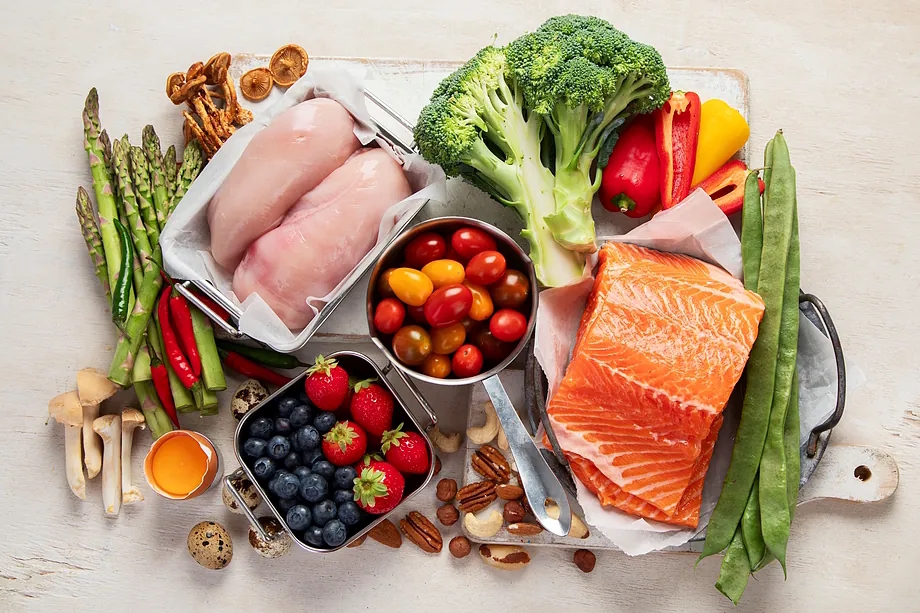
-Consume abundant fruits and vegetables, and choose a wide variety: include different colors, textures, and types of products, and remember that even canned and frozen foods can be nutritious and economical.
-Opt for foods mainly made with whole grains instead of refined grains: foods like whole wheat bread, brown rice, and oats are better choices than refined grains, including white bread or white rice.
-Choose healthy protein sources: replace meat with plant sources like legumes, including beans, peas, and lentils, along with nuts and seeds; consume fish and seafood regularly; select low-fat or fat-free dairy products; and if you want to eat red meat, choose lean cuts, avoid processed ones, and limit portion sizes.
-Select unsaturated fat sources (such as olive oil) instead of saturated fat sources (butter, animal fats): replace saturated fats with healthy unsaturated fats, including those found in nuts, seeds, avocados, and non-tropical vegetable oils.
-Opt for minimally processed foods instead of ultra-processed ones: choose foods as close to their natural state as possible, with minimal added commercial ingredients, instead of highly processed ones with additives.
-Minimize the intake of added sugars in beverages and foods: limit sugary drinks and foods with added sugar that you consume.
-Choose low-sodium foods and prepare foods with little or no salt: be aware of hidden sources of salt in commercially prepared foods, and season your foods with healthier options like herbs, spices, or lemon instead of salt.
-If you do not consume alcohol, do not start; if you do, limit your consumption: alcohol can increase the risk of hypertension and other health problems, so if you do not drink, do not start.
In January, the Trump administration published its own dietary guidelines (Dietary Guidelines for Americans 2025-2030) with significant controversy, as while it aligns with guidelines from cardiology associations worldwide on ultra-processed foods and salt, it is quite lenient on alcohol and presents red meat as a valuable protein source.
The AHA is much more cautious, like all Cardiology societies globally, and acknowledges that the debate on the amount of protein and the risk of cardiovascular diseases is ongoing, but is firm in stating that currently, we consume too much meat and too few plant-based proteins. It does not recommend eliminating red meat altogether, but rather suggests "swapping" it frequently for legumes or fish. Cardiologists insist: the pattern that truly saves lives is one where plant protein takes the lead.
Prevention Starts in Childhood
One of the most powerful warnings in this new document is that heart health is not a concern that starts at 50. "Cardiovascular diseases begin in childhood; even prenatal factors can contribute to a higher risk in children as they grow. Therefore, it is important to adopt healthy eating habits from childhood and maintain them throughout life," emphasizes Lichtenstein, adding that the best way to achieve this "is for adults to set an example with a heart-healthy diet, both at home and outside."
The AHA's recommendation is clear: children should follow this heart-healthy pattern from the first year of life. It is not about putting the youngest on a diet, but about adults acting as role models: if the pantry at home contains fruits and legumes instead of sugary juices and pastries, the child's cardiovascular risk as an adult is drastically reduced.
Following these nine rules doesn't just protect your arteries. While the guidelines are specifically designed to improve cardiovascular health, they generally align with dietary recommendations for other conditions, such as type 2 diabetes, kidney disease, some cancers, and brain health. This is primarily due to common risk factors that affect both physical and cognitive health, such as high blood pressure, high cholesterol, high blood sugar, being overweight, and declining kidney function—all of which are influenced by diet.
"What you eat significantly influences how your body functions and the changes it undergoes with age," notes Lichtenstein. "A healthy diet can promote health and well-being throughout life, beyond just cardiovascular health."