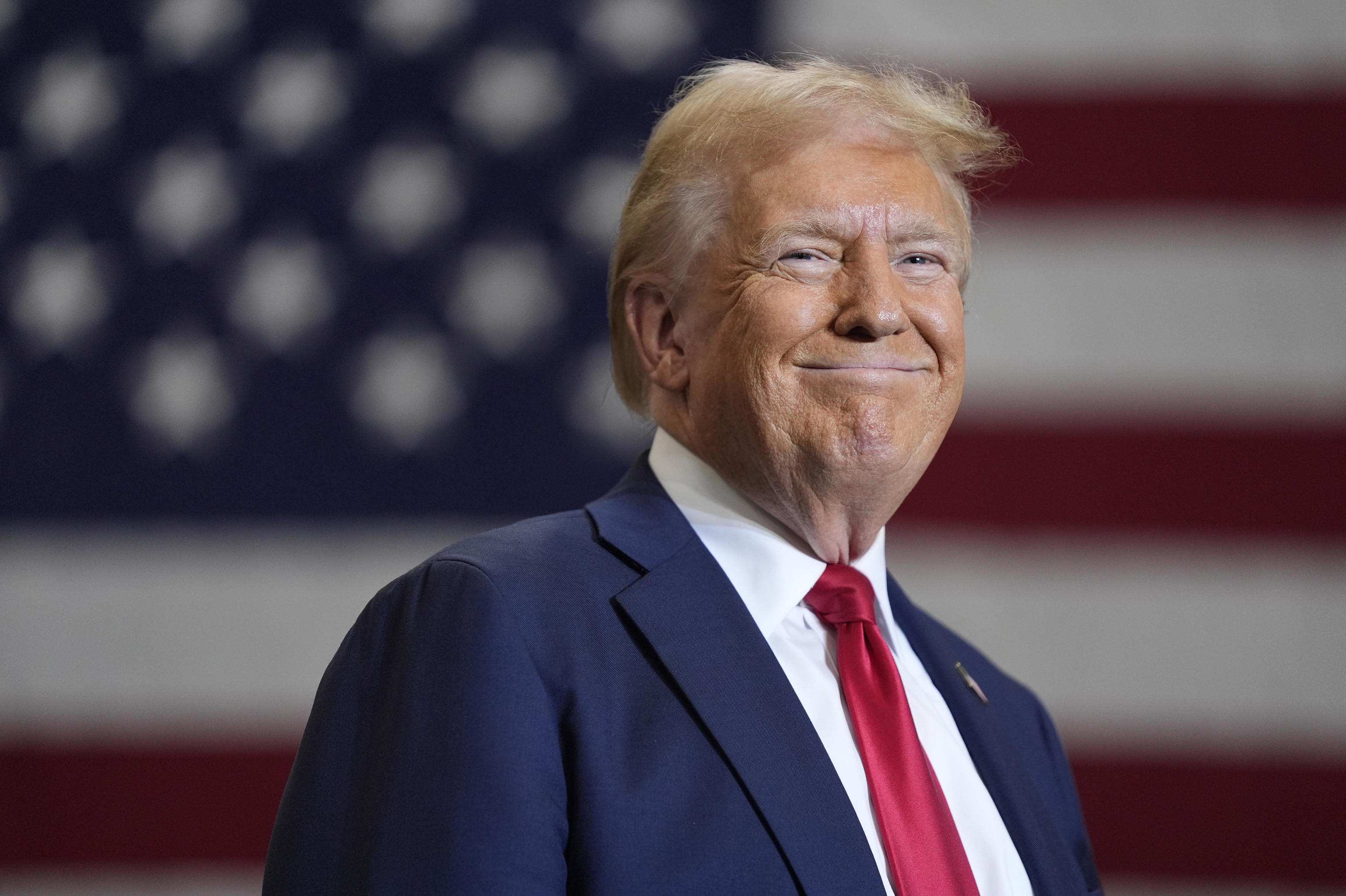
On Saturday night, with the count almost complete, the Associated Press declared President-elect Donald J. Trump winner of Arizona and its 11 electoral votes. In practice, it does not mean anything significant because even though it expands the final Electoral College count to 312 versus 226, the victory was already his. But it has a more than symbolic value, as he has prevailed in all seven swing states at stake in 2024: Nevada, Michigan, Wisconsin, Pennsylvania, Georgia, and North Carolina.
Polls anticipated a very close fight nationwide, and although in much of those decisive states the result has been quite similar to what was indicated, between one and three percentage points and tens of thousands of votes, each and every one has leaned the same way. In 2020, Joe Biden won Georgia by 10,779 votes and Arizona by almost the same margin. This time both, which have only voted Democrat a couple of times in the last five decades, have been more decisive. The same goes for the popular vote. Trump's lead, the first Republican to win it nationally since 2024, has been with almost all votes counted from nearly four million people, 50.4%, compared to Harris's 48%, but there are still nearly five million votes to be processed in California, a progressive stronghold.
And yet, despite those close percentages, the feeling is that the Republican Party swept. And there are good reasons for it. Trump improved in traditionally Republican states, in traditionally Democratic states, he won all seven swing states. And his party clearly regained the Senate (53-46 and one yet to be determined precisely in Arizona) and is on the verge of achieving it with the House of Representatives. This, combined with a conservative majority dominating the Supreme Court and potentially for the next decades, gives immense power to the leader of the Maga movement.
In all elections held this year in developed countries, the ruling party has been defeated. Whether right-wing or left-wing, traditional or populist, charismatic in the past or not. Something similar happened after the global financial crisis of 2008, but not unanimously. There are no precedents in 120 years of something like this. The low popularity of Joe Biden and the overwhelming sense of absolute pessimism and decline, despite Biden's macro numbers not being actually bad and inflation being at controlled levels without causing unemployment, is overwhelming. Harris is part of that government, has not been able to distance herself, and the punishment has been harsh.
Trump has at least two placid years ahead, until the next Congressional elections (mid-term) and is preparing his team. He has chosen Susie Wiles, his campaign manager, as Chief of Staff, the first to hold that position in the country's history. While she and her inner circle prepare the Executive and the main national security positions, the message sent is clear: only loyal, convinced, isolationist, and without surprises.
On Saturday night, he announced that neither Nikki Haley, his former ambassador to the United Nations, nor Mike Pompeo, his former Secretary of State, would be part of the administration. The first criticized him harshly and challenged him in the primaries before bowing down and returning to the fold. And the second is a persona non grata for the Chinese government. Both are also two of the clearest allies of Ukraine in the Republican Party and advocates for maintaining economic and military aid.