In a café in Xintiandi, one of the most exclusive neighborhoods in Shanghai, seated in front of a large window overlooking stores like Cartier, Tiffany, and Hermes, university professor Kyle Zhao, a veteran sociologist who was a government advisor, reflects on the contradictory coexistence of a communist policy in a party-state system with the world's biggest consumer fever.
"Next to all these luxury stores, we have the headquarters of the first Chinese Communist Party congress, one of the main attractions of what they call red tourism, full of relics and memories of those revolutionary peasants led by Mao Zedong. A while ago, there was a long line of young people waiting to enter. They were all absorbed in their phones, browsing through the millions of offers available these days on e-commerce platforms."
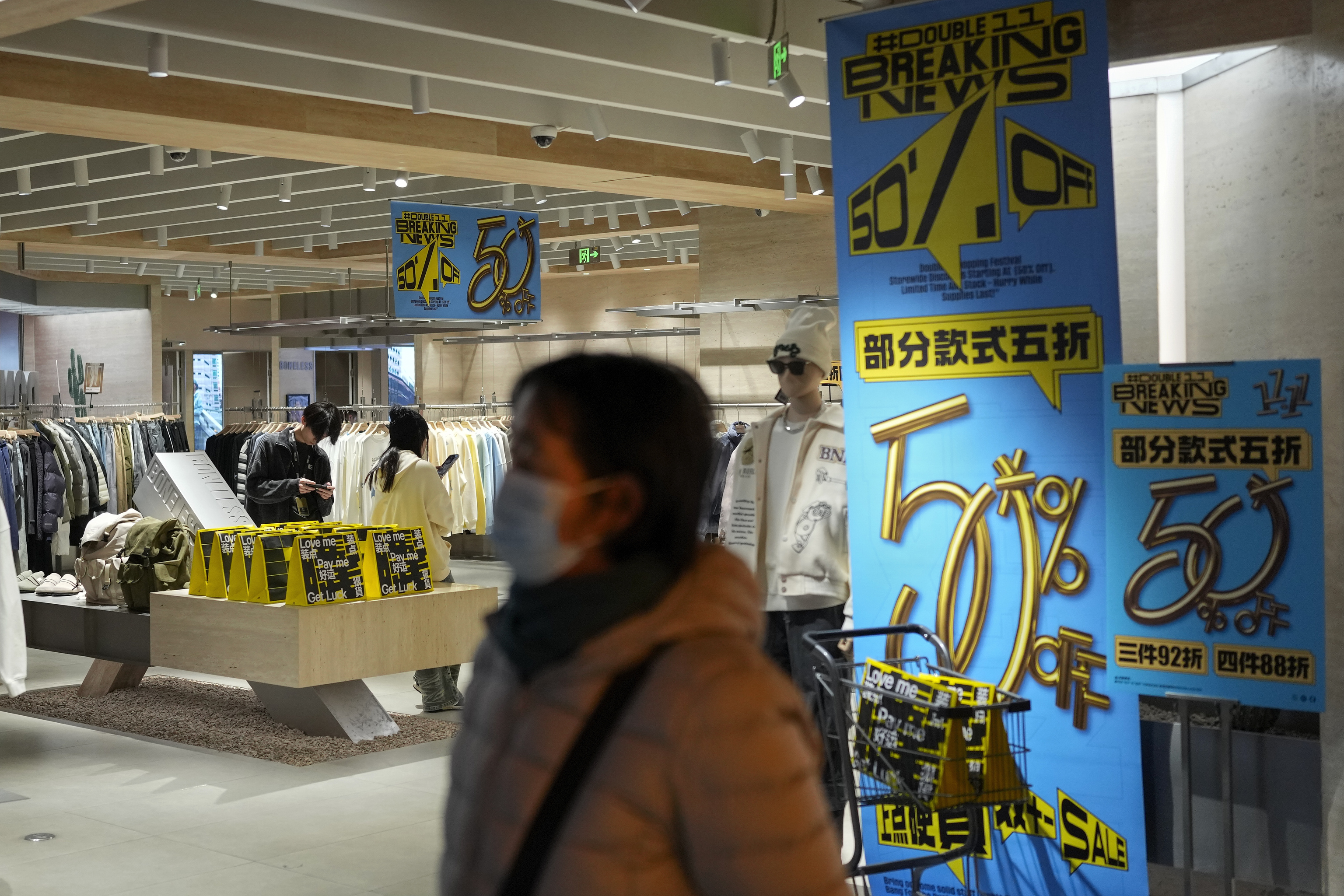
Professor Zhao refers to how these young Chinese were engrossed in their screens searching for the best discounts in the world's largest online sales festival: Singles' Day, on 11/11, a golden day for e-commerce in the Asian giant, where more is sold than on Black Friday and Cyber Monday combined.
Like every November 11th, today, Monday, is the peak day when streamers and influencers host live shows on channels followed by over 700 million users, promoting all kinds of products. Big brands pay a fortune during these dates to the content creators with the most followers, who blend entertainment and sales in their broadcasts. One of the stars of these formats is a thirty-something named Li Jiaqi, who became famous for selling 15 million lipsticks in 15 minutes on Singles' Day in 2019.
For several years now, pre-sales start in October. They begin earlier each time - this year they started on October 14, a week earlier than in 2023 - to boost consumption amid the economic storms shaking the world's second-largest economy. The Chinese version of Black Friday in 2024 is serving as a barometer to gauge consumer sentiment after the wave of stimuli announced in recent months by the authorities.
Since 2021, the giant Alibaba, the pioneer of this famous shopping marathon known for its price wars among brands to attract customers, no longer discloses the final total sales figure. The grand online celebrations of the event remain discreet amidst a campaign launched by tech companies, but driven by the government, against influencers promoting "bad values," meaning those who flaunt extreme wealth.
Although this consumerist celebration is more subdued than before the economic downturn, the signals from the three Chinese e-commerce titans (Alibaba, JD.com, and PDD) are quite hopeful, with forecasts indicating that the accumulated gross merchandise volume (GMV) sales will far exceed those of a year ago.
According to the research firm Syntun, in 2023, sales on the main e-commerce platforms increased by 2% to 1.14 trillion yuan (145 billion euros), far from the double-digit growth before the pandemic. However, JD.com recently stated that between October 14 and 31, transaction volume growth had reached double digits.
Alibaba also highlighted signs of recovery this year. "A strong momentum in the initial sales period, with 284 brands exceeding 13 million euros each in sales." The increase is particularly noticeable in toys, pet products, and appliances.