China, the world's second-largest economy, has made it clear that it will not stand idly by in the face of the initial shots in the new Trump administration's trade war 2.0. The U.S. President, citing a national emergency regarding the flow of fentanyl and undocumented immigrants, fulfilled his weekend promise to impose tariffs on the three main trading partners of the United States (China, Canada, and Mexico). In the case of China, an additional 10% tariff will be imposed on imported Chinese goods.
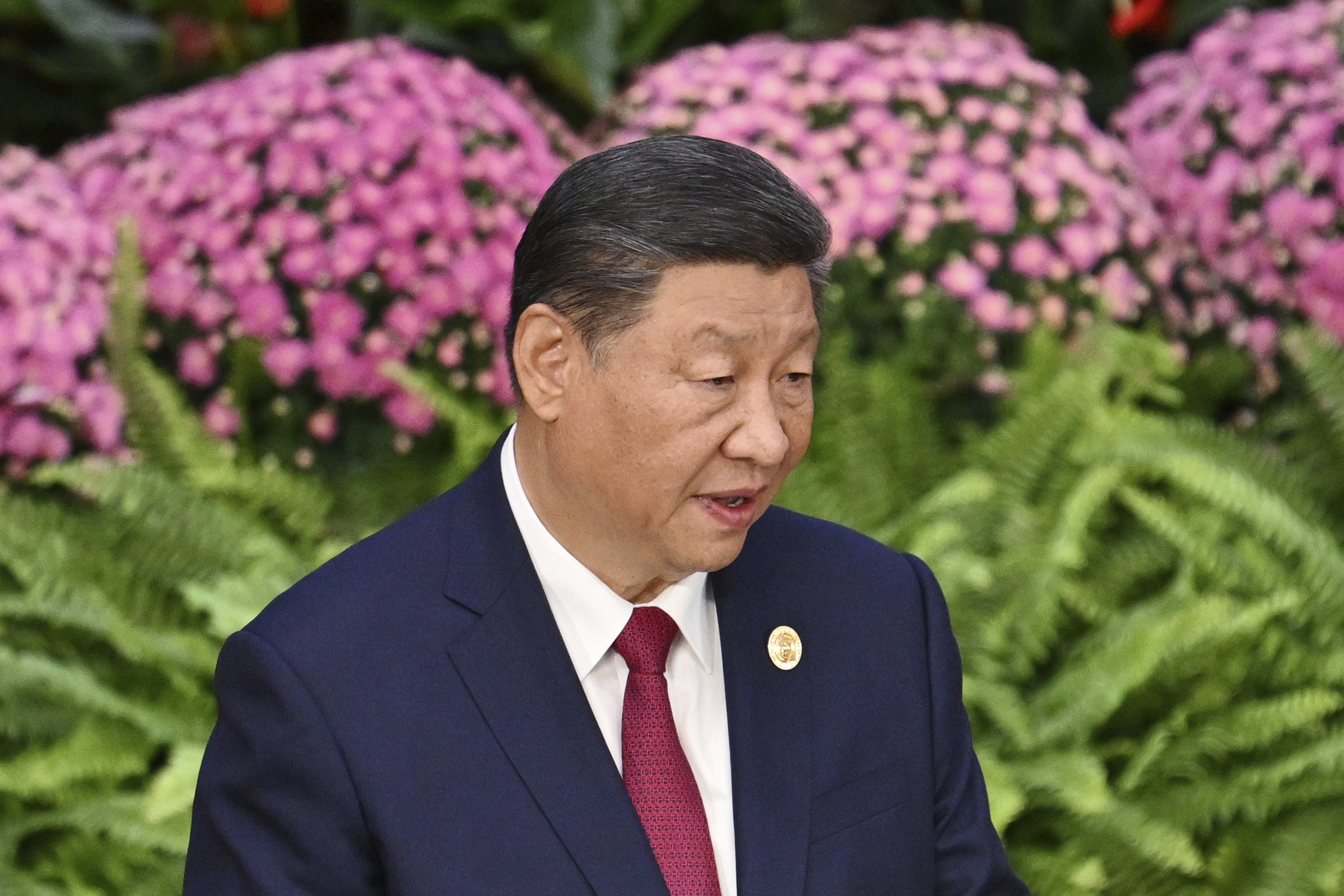
How will Beijing respond to this first assault? The Xi Jinping government has, for now, acted with caution, issuing a statement from the Ministry of Commerce stating that it will take "appropriate countermeasures to safeguard its interests" and will file a complaint with the World Trade Organization (WTO).
"The unilateral tariff increases by the United States seriously violate WTO rules. This measure not only fails to address U.S. own problems but also disrupts normal economic and trade cooperation between China and the U.S.," the Chinese ministry said in its statement on Sunday.
Donald Trump signed the executive order on Saturday for the 10% tariff because "Chinese officials have failed to stop the flow of fentanyl precursor chemicals to the U.S.," adding that the levy would be withdrawn if Washington saw that China was genuinely making "appropriate efforts" to alleviate the crisis caused by the synthetic opioid, 50 times more potent than heroin, which is causing the deadliest drug epidemic in U.S. history.
Fentanyl began to flow from China to the U.S. a decade ago. Initially, it was sent directly through international mail. When Beijing and Washington began taking measures in 2019 to curb this regular flow, another alternative route opened up. Instead of shipping final fentanyl shipments - in pills, tablets, and powder - directly to the U.S., international drug traffickers and Chinese companies found Mexican Jalisco and Sinaloa cartels as intermediaries.
Now, essential chemical precursors for manufacturing fentanyl leave China for Mexico, where drug traffickers then introduce the drug across the U.S. border in food packages or toy bags.
During Joe Biden's tenure in the White House, the U.S. government tried to work with Chinese authorities to combat fentanyl trafficking. There has been significant pressure from Washington on Beijing to crack down on companies sending chemical precursors to Mexico. The U.S.-China Antinarcotics Working Group was launched in January last year, and the first high-level meeting took place at the end of July.
"We hope that the United States adopts an objective and rational approach to its internal problems, such as fentanyl, instead of resorting to tariff threats against other countries," Beijing responded to Trump's tariff blow. However, the U.S. administration also justified the tariff due to "intellectual property theft, forced technology transfer, and other unreasonable behaviors" by China, as well as illegal immigration, "including a growing number of Chinese citizens and individuals on the terrorist watchlist."
The main products affected by Trump's tariff will be consumer electronics (mobile phones, televisions, computers, or consoles), which were among the main goods imported from China by the United States last year. China is also a significant supplier of household appliances, which, along with toys and footwear, are particularly vulnerable to Trump's tariff threats.