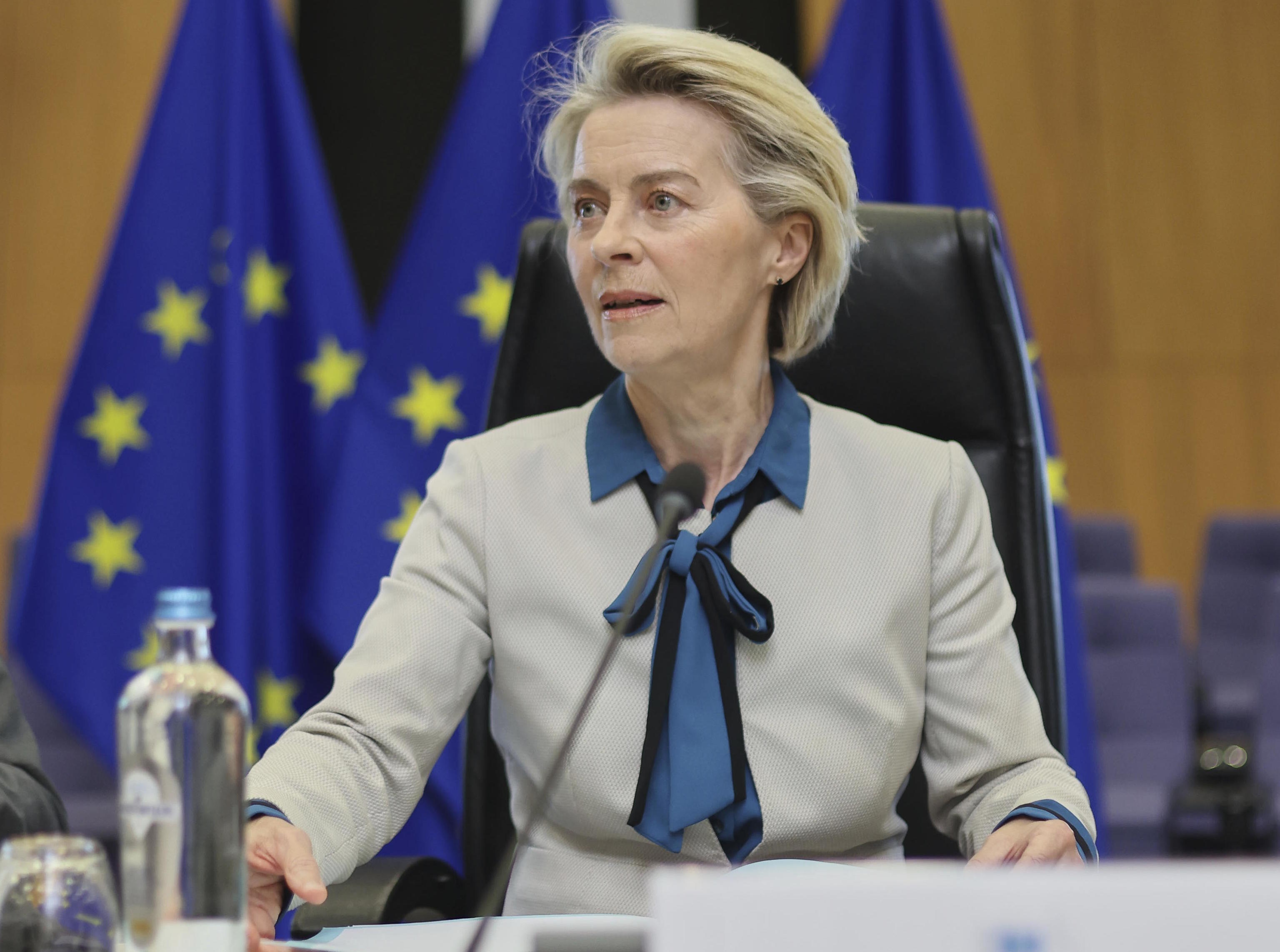
Brussels has presented its proposal for simplification of its regulations on artificial intelligence (AI), cybersecurity, and data, and the new text includes a significant simplification of the laws and a moratorium on the application of high-risk rules. This comes after pressure from the President of the United States, Donald Trump, and the entire technology sector.
This moratorium will be up to 16 months, and the high-risk rules apply to models linked to security, health, or fundamental rights. For example, systems used to calculate credit repayment probabilities, traffic management, or even those used in personnel selection processes. This directly affects large companies. Or rather, benefits them.
The Commission insists that, in reality, it is not a delay in the application of the norm. They add that it is simply providing "legal certainty" to companies. "We want to make it clear that simplification does not mean lowering our safeguards. We firmly stand by our high standards in terms of privacy, justice, and security," emphasized Henna Virkkunen, Vice President of the European Commission for Technological Sovereignty, Security, and Democracy, at the press conference held on Thursday to present the new regulation.
However, criticism from the left has already emerged regarding this measure, considering that the Commission has yielded to Trump's pressure. They anticipate showing their opposition in the vote in the European Parliament, a step that the measure must go through in addition to being approved by the Council of the European Union.
What the Commission has not done, despite it being included in some drafts of the measure at some point, is to grant a 12-month extension to generative AI companies like ChatGPT to comply with European regulations. Therefore, starting from next August, these companies will have to notify that the content is generated by Artificial Intelligence; design the model to prevent it from generating illegal content; and publish summaries of the protected data used for training.
Another point that Brussels wanted to highlight is that "European companies, from factories to start-ups, will spend less time on administrative work and regulatory compliance and more time on innovating and scaling up, thanks to the new digital package from the European Commission." The EU estimates that this bureaucratic simplification will result in "savings of up to 5 billion euros in administrative costs by 2029," as stated in their digital omnibus communication.
"In the EU, we have all the ingredients for success. We have talent, infrastructure, a broad internal market. But our companies, especially startups and small businesses, are often hindered by excessive bureaucracy," emphasized Virkkunen.
The regulation also includes measures aimed at users, with the EU's decision to modernize "cookie rules" standing out. "There is a certain cookie fatigue," summarized by the Commission.
Therefore, "the number of times cookie pop-ups appear will be reduced and users will be able to indicate their consent with a single click and save their cookie preferences through central settings in browsers and operating systems," according to EU sources.