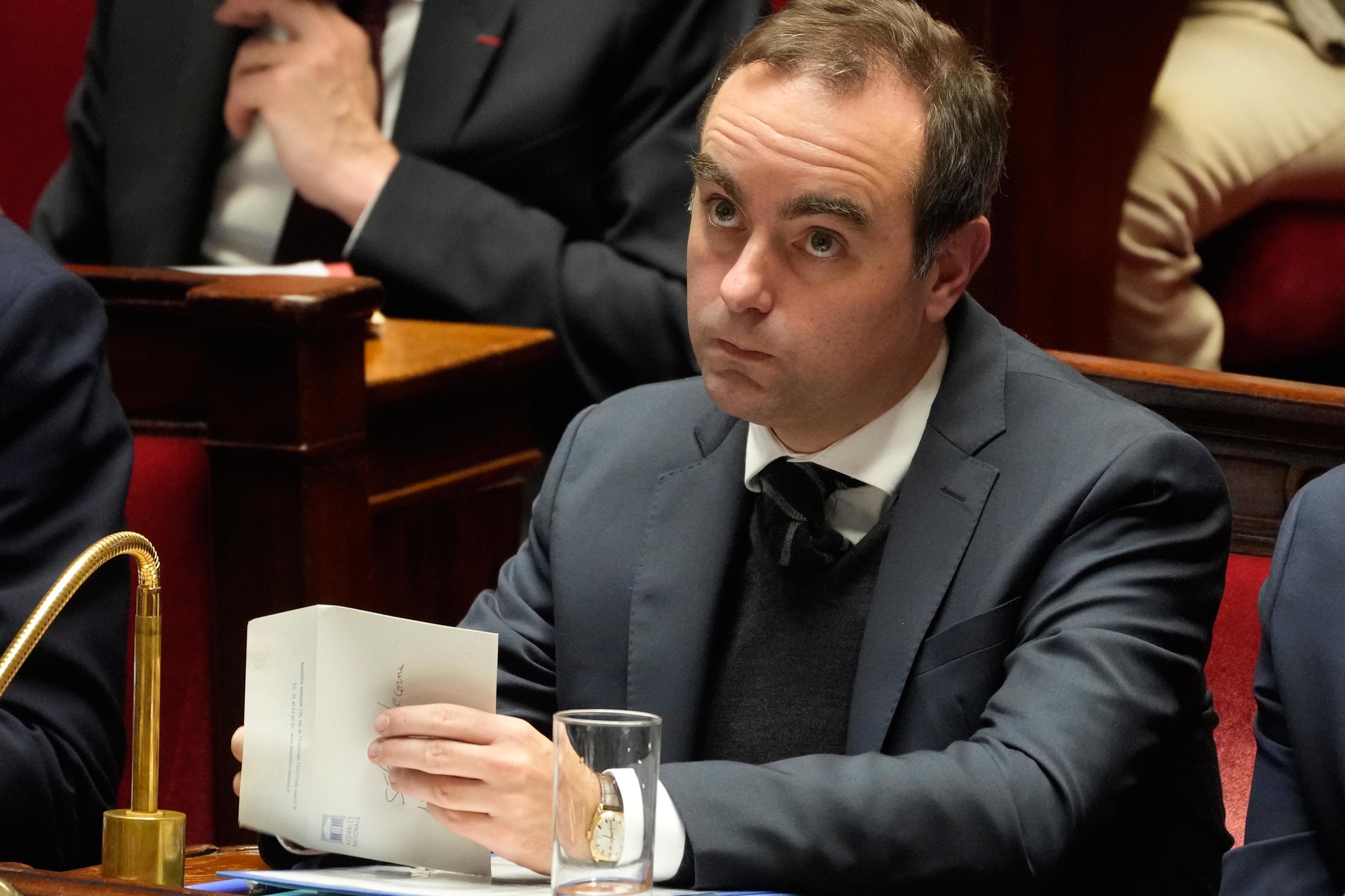
French Prime Minister, Sébastien Lecornu, narrowly won (by a margin of 13 votes) the first major budget battle of 2026 with the approval of the Social Security budget with 247 votes in favor and 234 against. This measure includes the suspension of the controversial pension reform until the 2027 presidential elections. The centrist politician barely survived thanks to the support of the Socialist Party, despite division and abstention within the center-right bloc. Additionally, there were 93 abstentions.
"This project is the result of a compromise, and we will support it out of responsibility," declared Socialist leader Olivier Faure, announcing the support of their 66 socialist deputies. "It is not our budget, but we have secured significant concessions during the parliamentary negotiation. Without a budget, all these achievements will be lost."
Amid uncertainty about the final result and the potential desertion of some socialists, Lecornu sought the support of the 31 deputies from The Ecologists. The far-left La France Insoumise and the far-right National Rally anticipated their votes against.
Finance Minister Amélie Montchalin guaranteed at the last minute that the Government will allocate an additional 8 billion euros for hospitals, one of the demands of the ecologists. Nevertheless, Montchalin stated that the Social Security deficit will be less than 20 billion euros, compared to 30 billion if the budget were not approved.
The contentious approval of the Social Security budget, after nearly a month of intense debates, has been the prelude to the real litmus test for the Lecornu cabinet: the debate on the 2026 general budgets, which should be approved before the end of the year.
Lecornu himself has acknowledged the significant difficulties due to political divisions and has even planned the parallel approval of an emergency Defense budget to increase the allocation by 6.7 billion euros, following President Macron's directives.
Just a year ago, the budget showdown led to the downfall of then-Prime Minister Michel Barnier, who passed the baton to François Bayrou, replaced after the summer break by the Macronist Lecornu in two stages (after also submitting his resignation). The Prime Minister survived the first and subsequent attempts at a vote of no confidence thanks to the support of the Socialist Party and the commitment to postpone the pension reform for two years.