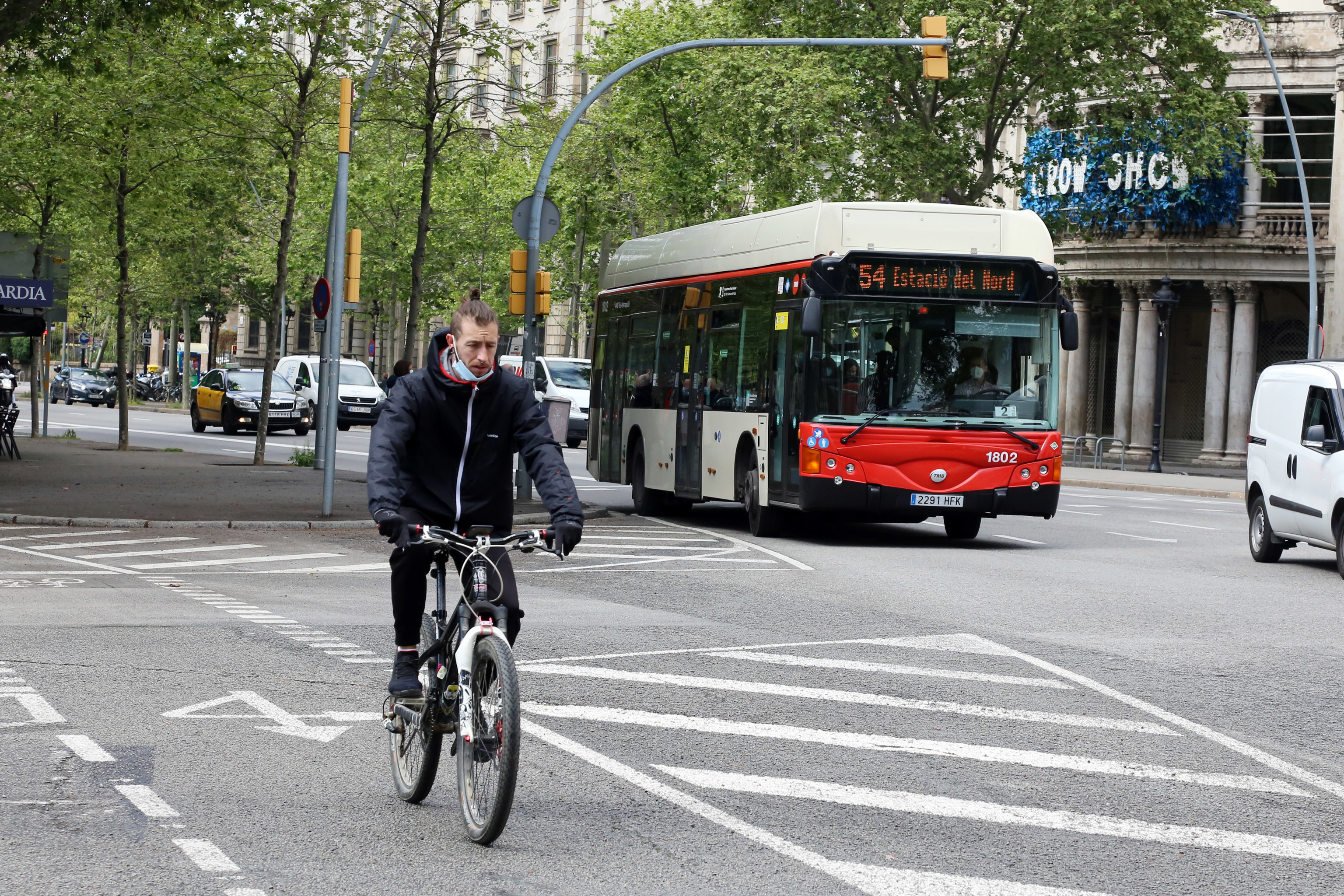
The image of the Japanese worker wobbling home on two wheels after a company dinner has long become an urban cliché in the Asian country. In lively neighborhoods of Tokyo like Shinjuku, where nights of cold beer and sake stretch into the early hours of the morning, the bicycle has been a common means of transportation to get back home. However, authorities decided that the image of the drunk cyclist had to stop being a characteristic of the local landscape.
In addition to increasing fines, a year ago, the Traffic Law was reformed to sanction the withdrawal of the driver's license from anyone riding a bicycle under the influence of alcohol. From January to September this year, as recently reported by local media, the police have suspended the licenses of nearly 900 cyclists.
Authorities have explained that, even though the offenders are cycling, the suspension affects their licenses because they "could pose a significant danger". Being caught cycling drunk also carries a maximum fine of 500,000 yen (around 3,000 euros) and a penalty of up to three years in prison.
The regulatory change that triggered this scenario came into effect in November 2024. Until then, the police only acted if the cyclist showed obvious inability to control the bicycle. However, the new rule introduced a clear blood alcohol concentration threshold: from 0.15 milligrams per liter of exhaled air, it is considered an offense.
The regulation also targeted those who "facilitate the offending behavior". In other words, a person who offers alcohol to someone who will then ride a bicycle, or lends a bicycle knowing that the person has been drinking, can be fined. "We aim to nip the social tolerance around this habit in the bud," said a police source to the local newspaper Yomiuri Shimbun.
The latest official data indicates that between November 2024 and June this year, over 4,500 cyclists were arrested in Japan for cycling drunk, which became a more popular means of transportation after the pandemic, leading to a significant increase in accidents.
"In 2023 alone, there were over 72,000 bicycle-related accidents, accounting for more than 20% of all traffic accidents in the country," stated a report from the Ministry of Transport.
The new rules target other common dangerous behaviors that have become habitual and are also punishable: using a phone while cycling, riding without lights, running red lights, or holding an umbrella on rainy days.
The police have increased nighttime checks and expanded patrols in central areas of major cities like Tokyo and Osaka, even launching awareness campaigns, especially before festive seasons. Posters in stations, TV ads, and social media messages remind Japanese citizens that cycling drunk can cost them not only a fine but also their driver's license.