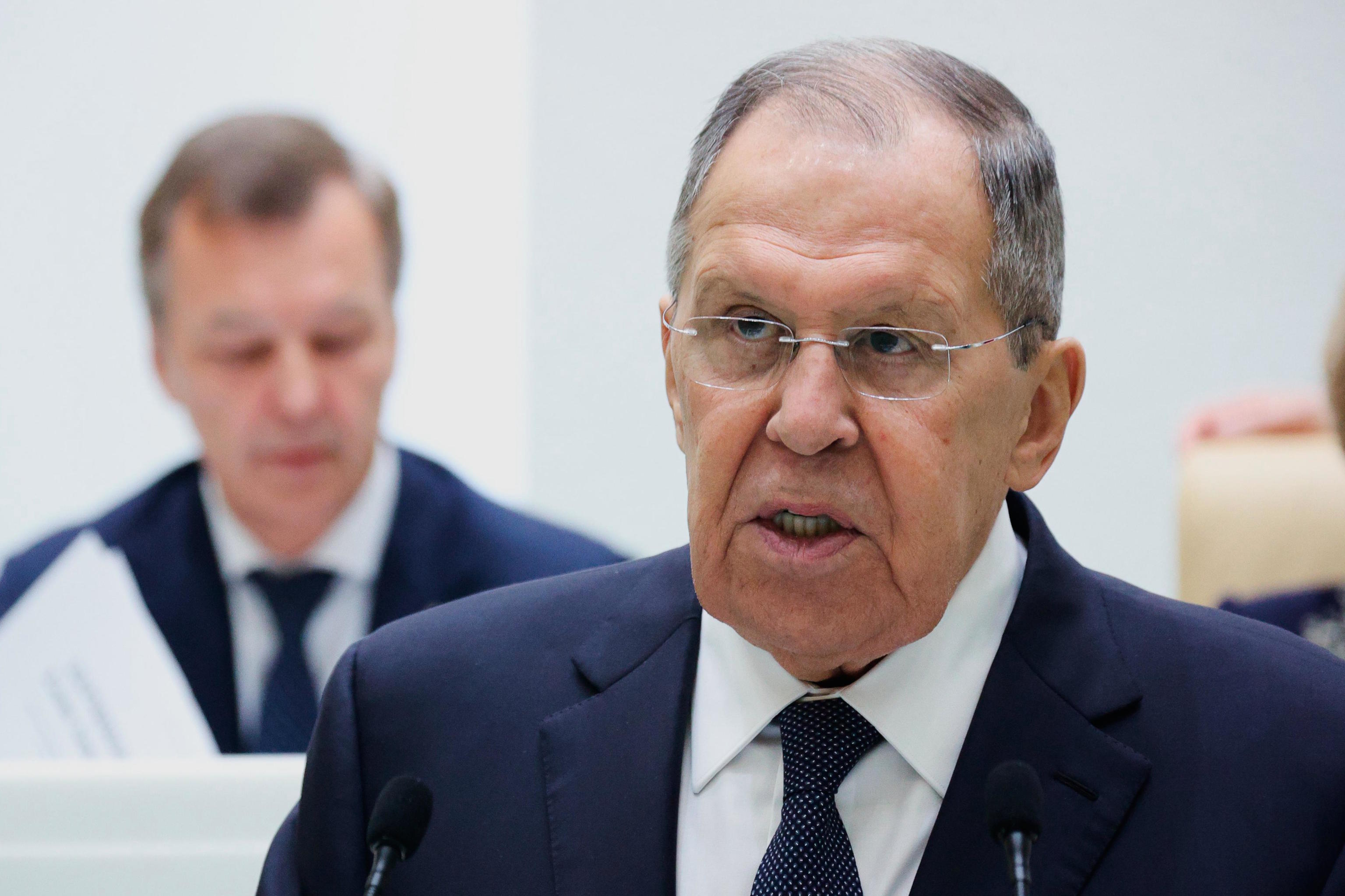
Lavrov, in a speech to the Russian parliament's upper house, described Trump as "the only Western leader" showing "an understanding of the reasons that made the war in Ukraine inevitable." The Russian minister also highlighted that Moscow appreciates Trump's "commitment to dialogue" and labeled him as the only Western leader "concerned about human rights in this situation."
Commenting on the details of the U.S.-proposed peace plan, Lavrov mentioned that the proposals, discussed with Russian President Vladimir Putin, "specifically mention the need to ensure in Ukraine, or what remains of Ukraine, the rights of national minorities and religious freedoms" in accordance with international obligations.
These comments come as Ukrainian President Volodymyr Zelensky reaffirms his firm refusal to cede any territory, resisting U.S. pressure to make "painful concessions" to Russia. Trump had pressured Zelensky to accept the cession proposal, arguing that Moscow has the "upper hand" in its nearly four-year invasion.
To counter the initial U.S.-leaning proposal heavily favoring Russia's demands, Zelensky has sought to bolster European support. This week he met with leaders from Great Britain, Germany, and France in London, with NATO and EU heads in Brussels, and traveled to Rome to meet with the Italian prime minister and Pope Leo XIV.
However, European support is uneven. The average annual military aid to Ukraine was approximately 41.6 billion euros. Foreign military aid sharply declined during the summer and this trend continued until October. While countries like Germany nearly tripled their average monthly allocations, and France and the UK more than doubled their contributions, Spain did not record new military aid in 2025 and Italy reduced its modest contributions by 15%.