Antonella Sottero speaks with the serenity of someone who leads a company exposed to some of the greatest tensions of the global economic system. Since 2017 she has led Ferrero's subsidiaries in Spain and Portugal, two strategic markets for the Italian group, which will celebrate its 80th anniversary in 2026. During this period, the Iberian division has not only consolidated its growth, but has also strengthened its industrial weight and assumed an increasingly relevant role in the group's European strategy, all in a context marked by the volatility of raw materials, inflation, and the growing impact of climate change on the supply chain.
Talking about Ferrero today is talking about much more than chocolates and chocolate. The company is one of the world leaders in packaged sweet foods, with a global turnover exceeding 20,000 million euros and a portfolio of more than 35 brands. It ranks third worldwide in this segment and in Spain, it is the undisputed leader in a highly competitive market.
"The food industry has always coexisted with uncertainty. Working with natural ingredients implies accepting that nature is not linear or predictable," explains Sottero. "Diseases in crops, climate disruptions, and extreme weather events are part of everyday life. But in recent years, that volatility has intensified to become a structural factor."
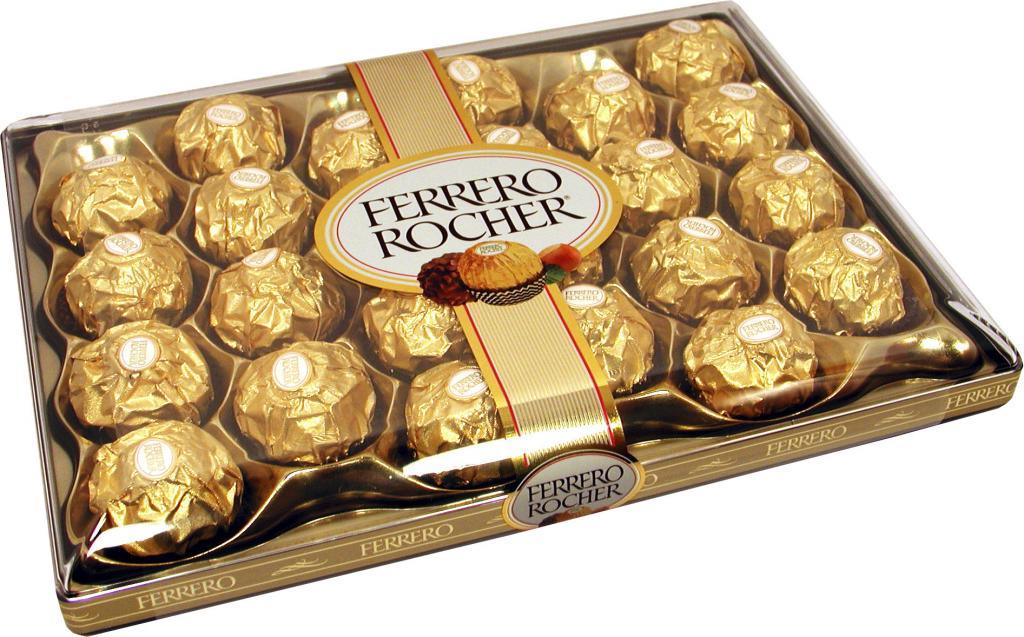
Despite this complex environment, Ferrero is a unique case in the construction of global brands with a strong emotional appeal. Nutella, Kinder, Ferrero Rocher, Raffaello, or Mon Chéri are not just products, they are cultural icons present in the lives of millions of people in more than 170 countries. For example, Sottero emphasizes, "Christmas is inconceivable without Ferrero."
"Climate change has turned factors that were once normal into anomalous phenomena," adds the executive from her office in Barcelona, where the Iberian headquarters is located. "Prolonged droughts, irregular rains, hailstorms, or late frosts disrupt production cycles and directly affect the availability and price of raw materials. Financial speculation further amplifies tensions in agricultural markets."
Cocoa is a clear example: between 2023 and 2024, its price first rose by nearly 50% and then by almost 80%, reaching peaks of around 12,000 euros per ton. Although it later moderated, it still doubles the levels of a few years ago.
Since its foundation in 1946 in Alba, Piedmont, Ferrero has based its model on a clear premise: controlling the origin. In a region rich in hazelnuts but impoverished after the war, the Ferrero brothers sought affordable formulas with local ingredients. This is how Supercrema was born - a mixture of cocoa, hazelnuts, and sugar - the precursor of Nutella and the cornerstone of the group's identity.
It was Michele Ferrero, son of Pietro, who transformed artisanal pastry into an industrial company with international ambitions. "Already in the 1950s, he introduced the sacco conosciuto, which in Spanish would be like knowing the origin of each raw material precisely, who produces it, where, and how," explains the CEO. This approach, predating concepts like traceability or sustainability, remains strategic. If cocoa poses a challenge, hazelnuts are critical. Ferrero consumes around 35% of the world's production, of which about 25% is destined for Nutella, and managing it is not just a matter of costs but of ensuring the continuity of the business.
"Italy is a historical producer of high-quality hazelnuts, but Turkey concentrates a large part of the world's production, with risks such as poor harvests, diseases, late frosts, or the volatility of the Turkish lira," emphasizes Sottero. To reduce this dependence, Ferrero has promoted hazelnut cultivation in new regions like Australia and Chile for decades, diversifying origins and ensuring supply. This strategy directly improves quality: by producing in both hemispheres, the company can work with fresh hazelnuts throughout the year, avoiding long storage periods that affect flavor and texture.
The obsession with quality is reflected in unusual decisions in the industry. Ferrero is the only major company that voluntarily withdraws part of its range during the summer months: after Easter, products like Ferrero Rocher, Mon Chéri, or Kinder Surprise stop being produced and sold, as high temperatures could compromise their quality. "Ferrero prefers not to be on the shelves rather than offering a product that does not meet its standards," explains Sottero, but this requires additional effort. Every September, the company must regain shelf space against competitors that do not leave the market and against the growth of private label brands. "It is a reality, especially with the loss of purchasing power of families," acknowledges Sottero. However, she emphasizes that her brand is aspirational and that constant innovation, along with technological investment - ice creams, cookies, and cereals complete the portfolio - "create barriers to entry that private label brands can hardly overcome."
In addition to volatility, a more competitive market, and increasingly demanding consumers, the family multinational periodically faces controversies linked to the sector. "It was palm oil at one point, so we were heavily criticized; now it's sugar, with increasingly intense taxation... we live surrounded by controversy and demagogy," confesses Sottero. "It seems easier to attack a product than to take the time to listen to the explanation." That is why Ferrero reinforces its commitment to traceability and control of the origin of its products, also the basis of its innovation capacity.
In this context, Spain plays a key role after the Italian group acquired the ice cream plant in Alzira (Valencia) in 2021 to turn it into the largest technological hub in Europe, strengthening its strategic role within the group.