Days of nerves, repression, and turmoil in the streets of Caracas. The regime, humiliated by Trump's Delta Force, closes in even further and cuts off any hint of openness. The U.S. can oversee the government from the White House, but Chavismo does not want witnesses. If anyone thought the Bolivarian government was going to ease up, release the over 800 political prisoners, and open up to the press, they are mistaken.
In the last few hours, the armed forces have tightened the censorship noose against the few reporters remaining in the country working under precarious conditions, while keeping the doors closed to international media reporters, most of whom are broadcasting live from the Simón Bolivar bridge in Cúcuta (Colombia's border), waiting for the regime to finally open the door to Venezuela. The Republican spokesperson in Congress, Mike Johnson, tried to explain yesterday that the operation against Maduro "is not a regime change. It is a demand for a change in behavior by a regime." But the behavior remains the same.
The armed motorized groups have taken to the streets after Nicolás Maduro's decapitation to "maintain control," which includes, as part of their usual revolutionary routine, the detention and harassment of reporters.
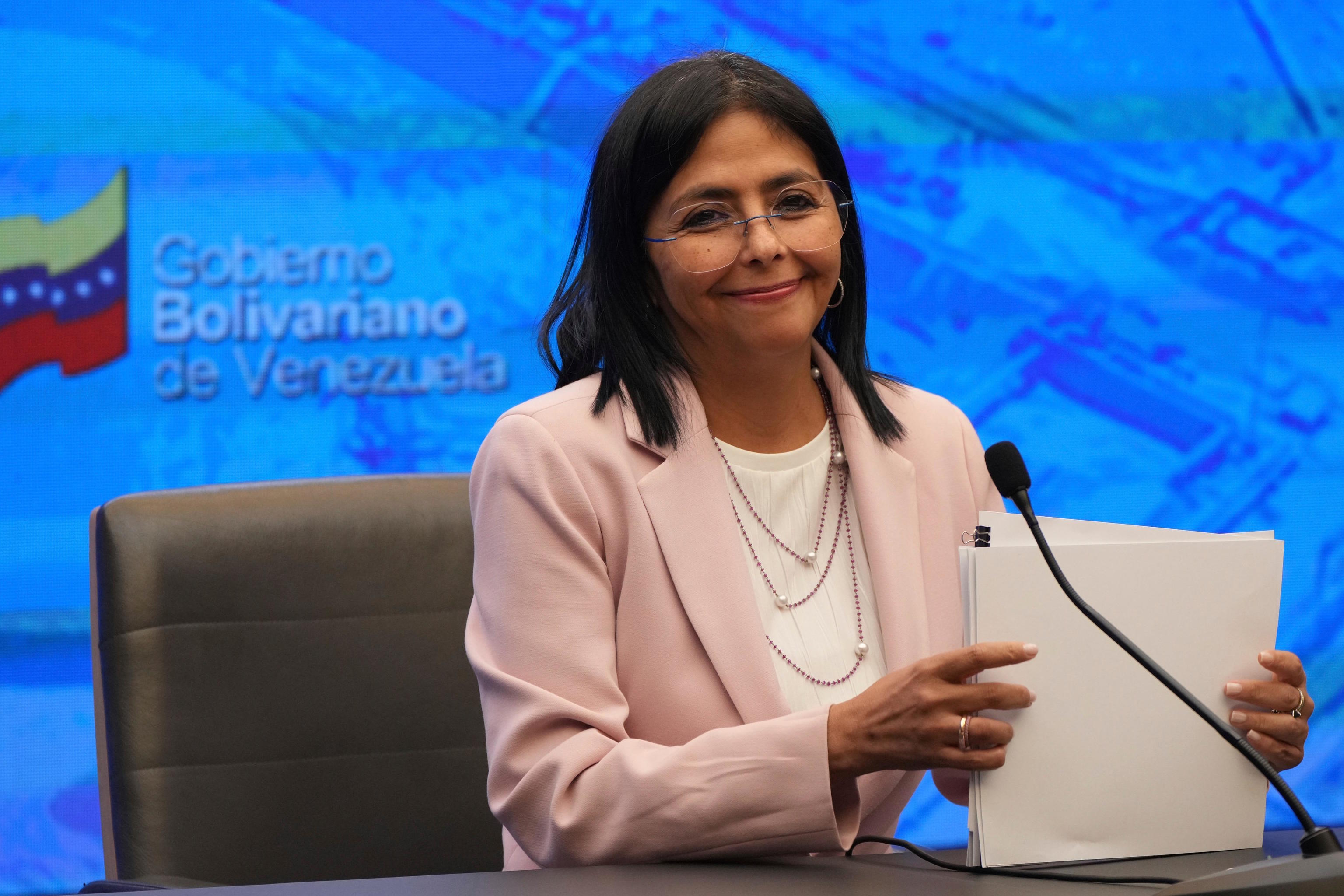
On Monday, while Delcy Rodríguez was swearing in as the country's new president, 20 reporters were detained by the feared SEBIN agents, the Bolivarian intelligence service. They confiscated their equipment and prohibited them from recording or broadcasting in the National Assembly. Some have been released, others deported or detained. A Venezuelan reporter working inside the country for a news website, who prefers to remain anonymous, tells this newspaper: "These days, their aggressiveness has multiplied. We are clear that they will not allow colleagues from other countries to enter, and they will monitor us even more. They ask all of us to unlock our phones to copy our conversations and contacts. Then they release you, but they already have the information in their hands," she says while requesting not to reveal her identity.
Arbitrary Detentions
The National Union of Press Workers (SNTP) reports that at least 23 journalists and workers remain arbitrarily detained for their journalistic work, and state persecution - detentions, intimidation, media blockades - promotes self-censorship and an information blackout. Over 60 media outlets remain blocked, and authorities have used administrative and technological tools to restrict access to alternative sources of information.
"It is not possible to move towards a democratic transition in the country while political persecution, censorship, arbitrary detentions, and systematic violation of fundamental rights persist, weakening journalism, public debate, and the citizens' right to be informed," states this journalists' union.
Venezuela suffers from a structural information blackout: traditional media outlets have been weakened or closed, and a large part of the population relies on external sources, social networks, or alternative platforms for information, while the official narrative dominates traditional spaces and public discourse. Venezuela ranks 160 out of 180 countries in the World Press Freedom Index.
The regime's agents (security forces, intelligence, administrative authorities, and paramilitary structures) apply a systematic pattern of repressive practices against journalists and media that go beyond isolated incidents. The main practices include: arrests without a judicial order while covering protests, elections, or political crises; detentions for hours or days to intimidate, even if later released; use of vague charges such as "incitement to hatred," "terrorism," or "conspiracy"; seizure of cameras, phones, computers, and memory cards; forced deletion of photos and videos; loss of sensitive material and official and unofficial sources.
In addition, Venezuelan professionals face digital media and news portal blockades; closure of radios and TV stations through administrative sanctions or license withdrawals; prohibition from covering official events or "sensitive" areas; initiation of lengthy and costly legal proceedings to financially suffocate journalists or media outlets; precautionary measures: travel bans, periodic court appearances; use of the judicial system as a tool for punishment, not justice; physical and digital surveillance; calls, messages, and veiled warnings from security forces; direct threats against family members or sources of information; beatings during detentions or coverage, documented on numerous occasions; insults, humiliations, and public labeling as "enemies" or "mercenaries"; in some cases, psychological torture during interrogations.
All this repression leads to the regime's true objective: self-censorship. Journalists stop signing, media outlets avoid certain topics, and professionals go into exile.