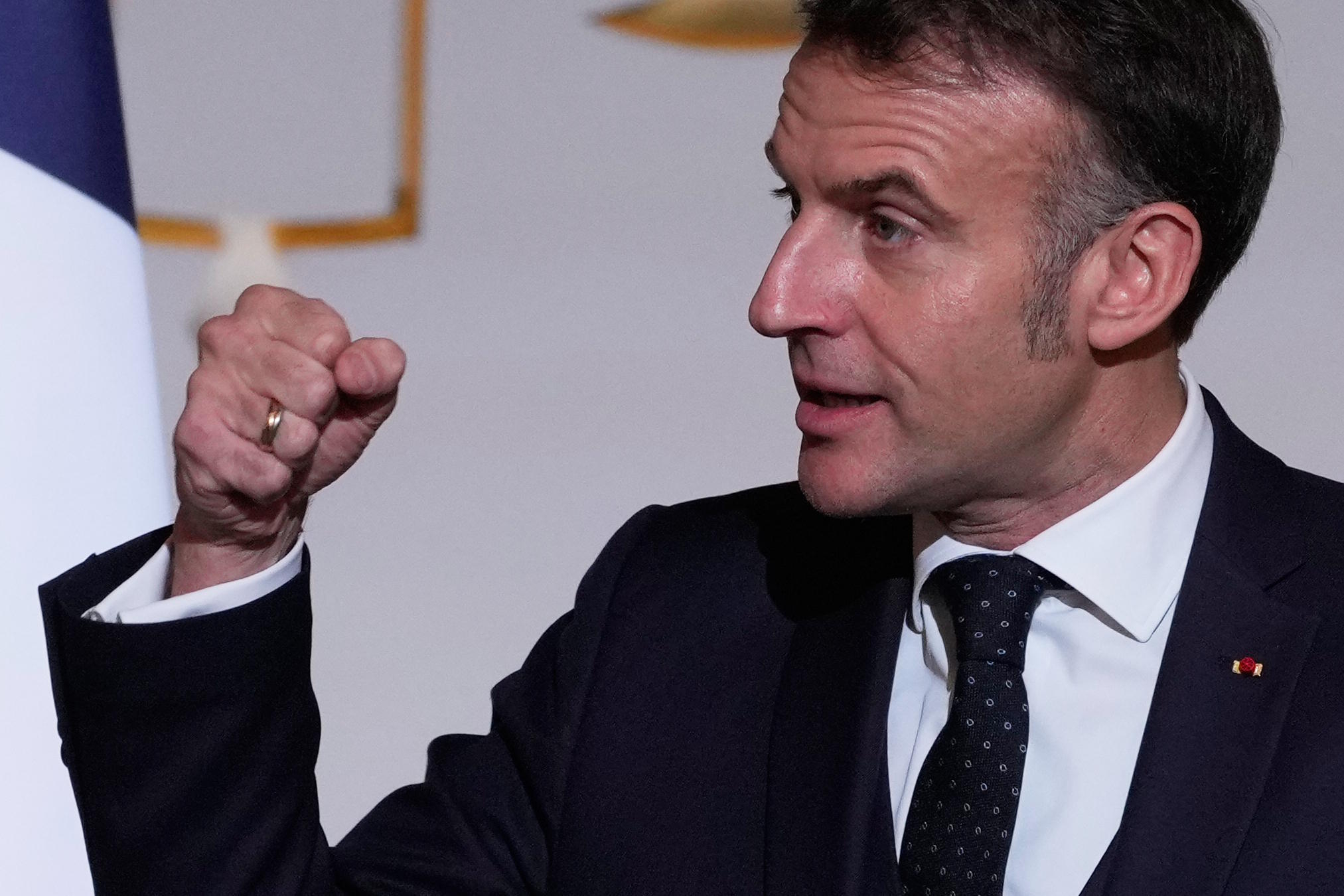
Macron warned that the global order faces the risk of major powers succumbing to the temptation of "dividing the world", significantly weakening the effectiveness of multilateralism.
The French president strongly criticized what he called a growing "neocolonial aggression" in contemporary diplomacy and advocated rejecting both new imperialism and the "vassalization" of Europe. This stance resonates with what we previously discussed about Spanish President Pedro Sánchez and his rejection of international "vassalage" (a reference from our previous conversation not found in current sources and should be independently verified). According to Macron, the response should be the creation of a "European democratic shield" to consolidate the autonomy of the bloc and reduce strategic dependence on the United States and China.
Macron announced that he will use the French presidency of the G7 to promote a renewed multilateralism that combats economic imbalances and prevents global fragmentation. He clarified that this effort is not directed against emerging powers but aims to restore a balance where simply the "law of the jungle" does not prevail.
Diplomatic tension has been fueled by recent threats from Washington regarding Greenland. The EU's foreign policy chief, Kaja Kallas, has expressed "deep concern" over this issue, confirming that there is an internal debate among Europeans to articulate a response to this real threat. In this context of instability, Macron emphasized that France has already taken the lead in the "European Defense", strengthening its military spending and nuclear deterrence to protect its borders.
Finally, the president urged to consolidate European regulation, especially in the technological sector, to ensure that the continent maintains its course towards effective sovereignty.