These are often rural places or declining cities without the money or expertise to fix the problems themselves, requiring federal or state help.
The AP found that hundreds of millions in grants, loans and technical help promised by the Bipartisan Infrastructure Law and President Joe Biden's administration to address racial and economic disparities have been canceled or targeted for elimination under President Donald Trump.
Many of these eliminations are part of the administration's targeting of initiatives like environmental justice that they deem DEI — diversity, equity and inclusion.
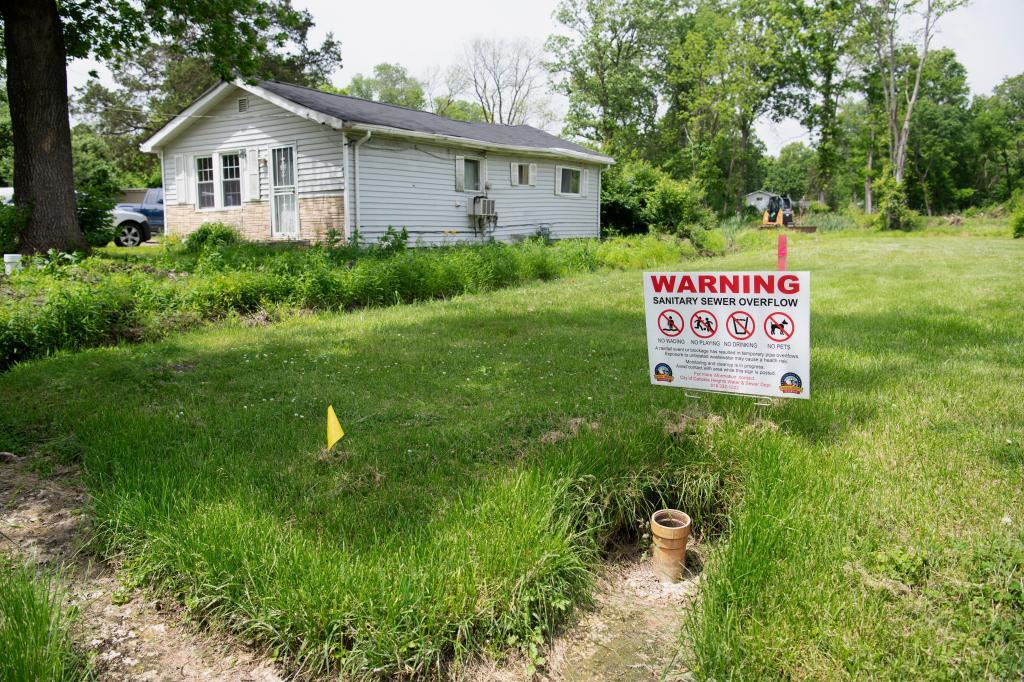
In the worst places, the problems make people miserable. Cahokia Heights, Illinois, for example, regularly floods; when it rains especially hard, sewage can back up into yards and homes, where it's destroyed furniture, cracked walls and warped floors.
At least 17 million Americans are served by the roughly 1,000 wastewater systems nationwide in serious violation of federal pollution limits. And at least 2.7 million are served by the most troubled — wastewater systems concentrated in rural areas that have consistently and repeatedly violated clean water rules and whose customers earn, on average, nearly $12,000 less per household than the U.S. average.