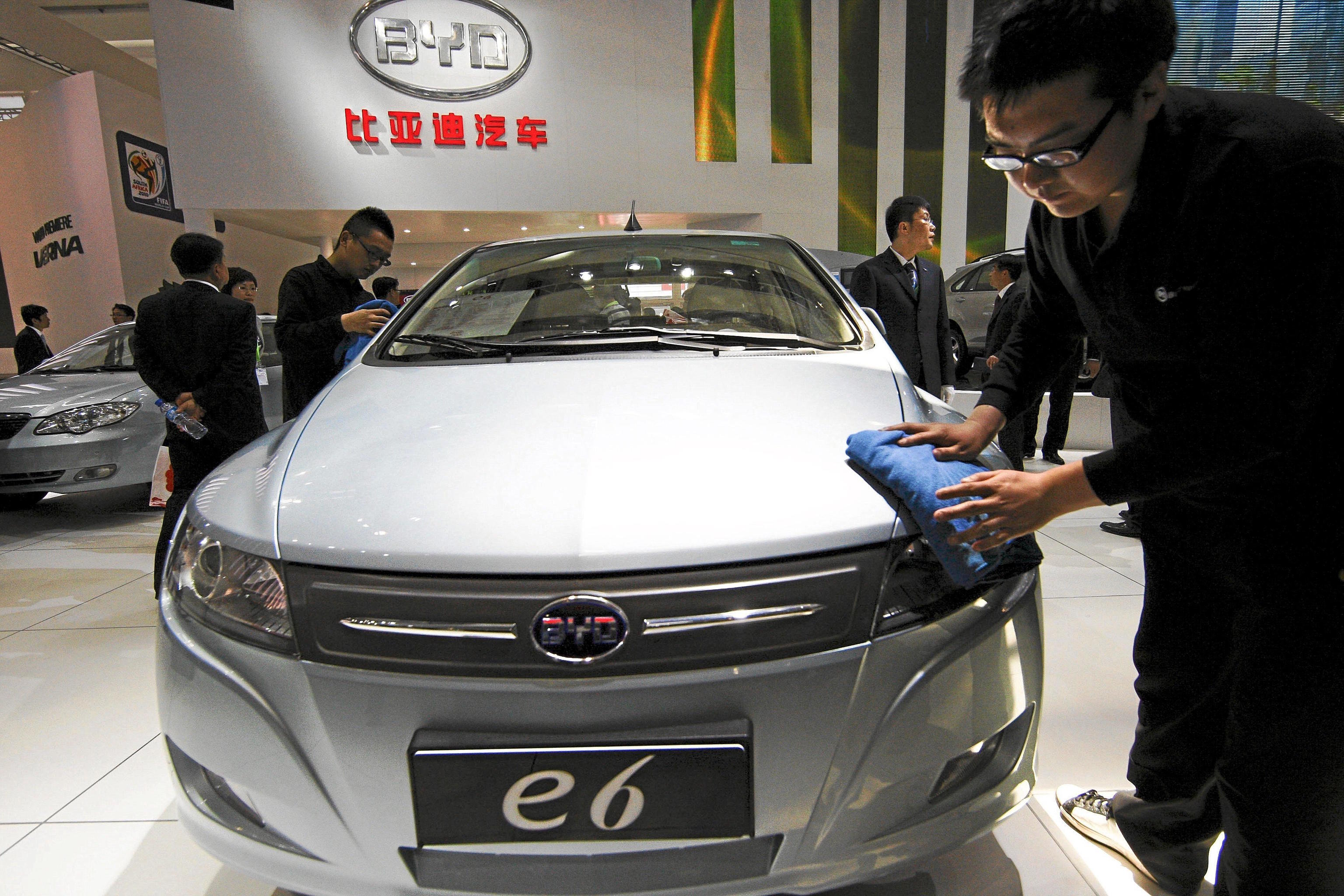
Beijing and Brussels have taken a step that could be decisive in ending the tariffs that the EU imposed in October 2024 on electric cars manufactured in China and that were to be in effect for a period of five years.
Yesterday, the European Commission published a document with guidelines that brands from that country can follow to set a minimum selling price for those cars in the Old Continent. Each of these proposals will then be analyzed by Brussels, and if the price commitment compensates for the effect of the illegal subsidies that led to the tariffs, they could be eliminated.
Investments will also be taken into account
In addition, these proposals can be strengthened "if they include additional commitments," such as limits on annual shipping volumes or industrial investment plans within the EU, a requirement that aligns with the community's obsession with reindustrializing the continent and reducing strategic dependencies. The Commission insists that each offer will be evaluated "objectively and fairly," within the regulatory framework of the World Trade Organization (WTO).
"This is not only beneficial for ensuring the healthy development of economic and trade relations between China and the EU, but also for safeguarding the international trade order based on rules," stated a press release from the Ministry of Commerce of the Asian giant. Likewise, the Chamber of Commerce before the EU welcomed the measure, as it will offer a "soft landing" to the dispute over electric vehicles.
Currently, tariffs on electric and extended-range electric vehicles range from 7.8% to 35.3% depending on the brand. These are added to the 10% they already paid previously and were imposed after Brussels claimed to have discovered various types of official aid and subsidies to Chinese manufacturers so they could sell these cars in Europe below market prices.
For Beijing, however, the procedure was from the beginning a covert protectionist maneuver, incompatible with the European discourse of free trade and green transition. Following that tariff shake-up by the EU, the Asian giant responded by initiating investigations into European products such as French cognac, dairy products, and pork.
Now, media with reliable official sources such as the Hong Kong-based South China Morning Post report that the Chinese government has chosen to tone down and avoid open confrontation, aware that Europe remains a key market for its electric vehicle industry amid significant price pressures in its domestic market and excess installed production capacity; especially now that the US has become a forbidden land for products from the world's largest vehicle manufacturer.
"It's a guideline, nothing more," warned the EU Trade spokesperson, Olof Gill, in a press conference yesterday. Additionally, it will require a considerable amount of time to implement since "given the wide variety of factors that influence (car models, configuration options)," hundreds of offers will need to be proposed, one for each different car. These proposals will then have to be evaluated by the EU.
Apparently, the latter already had some requests in this regard from within the Volkswagen Group - possibly the case of the Cupra Tavascan - and in mid-December, the Chinese Ministry of Commerce revealed that both parties had resumed discussions on this matter.
Currently, the pressure of the tariffs has led to Chinese manufacturers redirecting their car offerings towards plug-in hybrid vehicles, while continuing to take steps to consolidate their industrial footprint in the Old Continent by building factories for vehicle production. Although this process is starting to raise concerns in Brussels, which is working on a regulation that sets a minimum of local components in these productions.