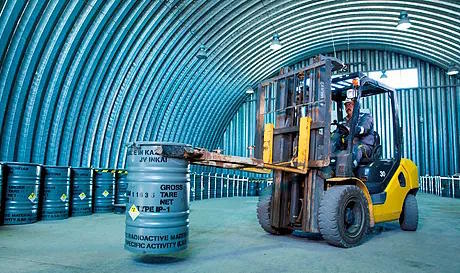
The new wave of nuclear energy threatens to suffocate the global trade of uranium. Around thirty countries are building new reactors or considering doing so. If in 2023 there were 437 operational units worldwide, today there are projects (underway or announced) to exceed 900. In other words, the atomic fleet could double in the next decade. This boom, led by the United States and China, is pushing the global uranium market to its limits. Major Wall Street banks already predict a structural deficit in this raw material.
According to Bank of America, the world has recently "rediscovered" nuclear energy. The combination of growing electricity consumption - driven by the artificial intelligence economy - and lack of investment in mining "will create an imbalance in the uranium market, as total demand continues to grow amid a sudden increase in global electricity needs, while supply decreases." Their forecast is clear: the gap between uranium supply and demand, "the cornerstone of nuclear energy," will emerge in 2030 and worsen as the decade progresses.
The vast concentration of reserves makes uranium a strategic resource very vulnerable to geopolitical fluctuations, which today is a pressure cooker. Kazakhstan, Canada, and Australia account for two-thirds of global production, while Russia, despite sanctions and the energy divorce with the West, holds over 40% of the world's enrichment capacity, a necessary process to produce nuclear fuel from uranium.
The Fukushima disaster in 2011 left the uranium industry anesthetized. Its price plummeted (from around $70 per pound to less than 20), and the number of mines was decimated. Recovery did not begin until late 2021, and it took off strongly in 2024. The problem is that both reactivating closed mines and opening new ones require massive investments and between 5 and 10 years of work. After a decade at a standstill, the supply is unlikely to recover at the pace demanded by the imminent demand peak.
Today, uranium futures exceed $82. Arkady Gevorkyan, an analyst at Citi, argues in conversation with EL MUNDO that the spot price of uranium will reach $100/pound by the end of 2026 and will continue to rise in 2027. Although the uranium market has traditionally been in deficit, soon that gap will have different consequences.
Until now, the so-called secondary supply (recycling, strategic reserves, etc.) has balanced the market when mining has lagged. But the nuclear fever is rapidly depleting that cushion. "Secondary supplies are expected to decrease as the supply-demand gap widens. Government inventories (mainly in Russia and the US) that have been available for over 20 years have been decreasing. In fact, we expect initiatives in the US and other countries to rebuild strategic reserves to generate additional demand," explains Gevorkyan.
Geopolitics is increasing the pressure. China has emerged as a major driver of nuclear expansion, with 15 reactors under construction and plans to double its capacity by 2035. Beijing is intensifying the global race to close new contracts to secure supply. After a decade of decline, the mobile inventories of the US and the EU show that their power companies have begun to accumulate uranium again while supply remains available. With his Prohibiting Russian Uranium Imports Act, Donald Trump has banned purchases of Russian uranium from 2028 onwards, "further tightening the market," Citi's analyst emphasizes.