The recent threats of annexation by the Donald Trump administration have not only altered strategic maps but have also put sovereign aspirations into a state of forced hibernation. The debate on self-determination has shifted from the idyllic to the pragmatic. A local entrepreneur, who prefers to remain anonymous given the delicacy of the matter, describes this paradigm shift bluntly: "The Greenlanders' desire for independence has been tempered due to the situation created by Donald Trump. But political parties refuse to accept it. Since we achieved autonomy in 1979, the identity of these parties has been based on the 'magical thinking' of a Greenland that would someday, always in the future, be independent and self-sufficient, and now they resist change." This political resistance contrasts with an economy showing signs of paralysis. Dan Sivertsen, the island's business association secretary-general, warns that "since Donald Trump returned to the White House and started talking about acquiring Greenland, economic activity has slowed down."
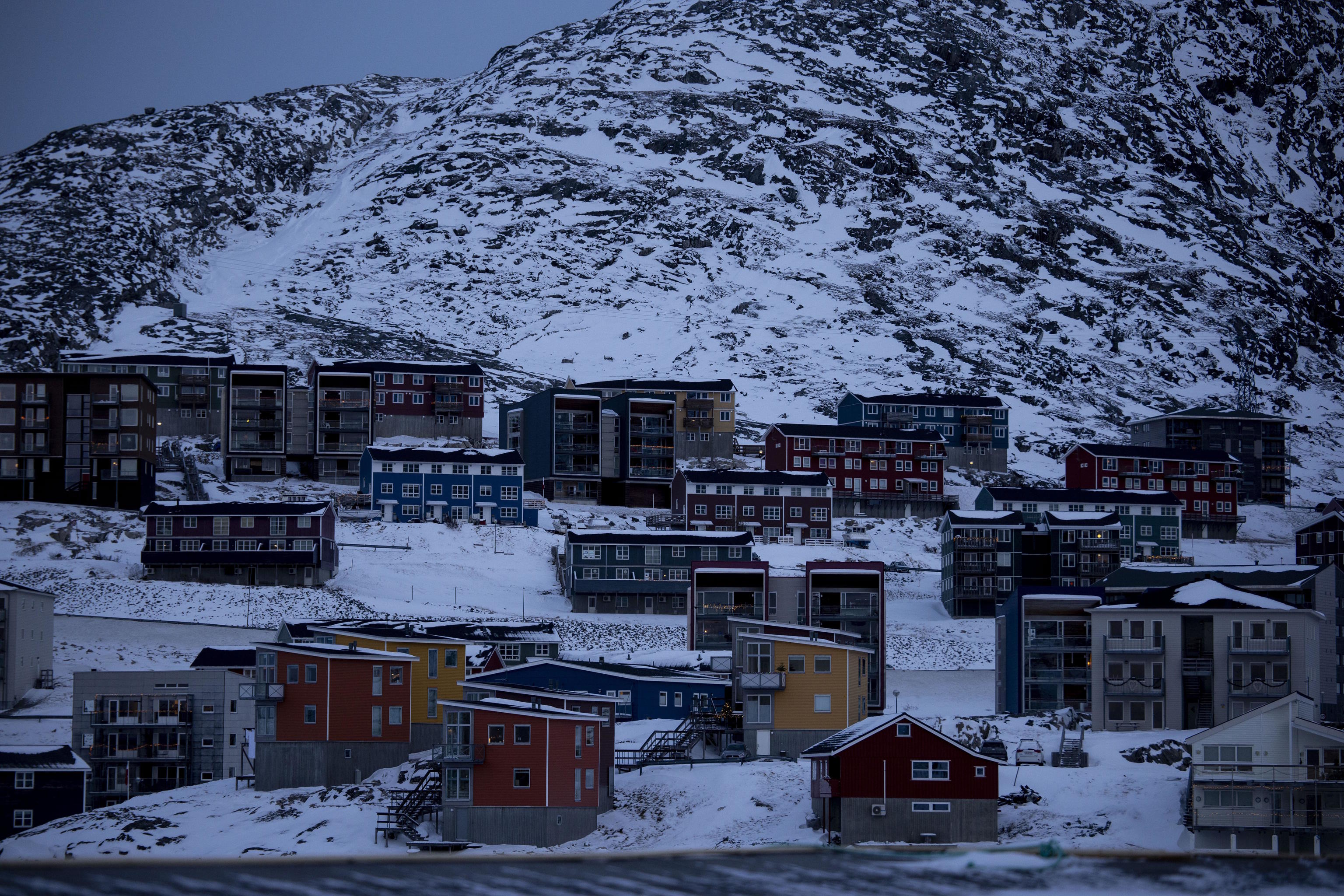
The lack of stability is driving away foreign capital, as Sivertsen states, "companies need stability, and in the current geopolitical climate, we have seen a growing indecision in investments in the tourism and construction sectors." Greenland's vulnerability is not only political but also structural. The capital, Nuuk, has experienced massive population growth in the 21st century, leading to housing becoming "a serious problem, almost as much as in Madrid." This social challenge is compounded by a looming energy crisis. The project to expand the city's hydroelectric capacity, crucial to ensuring supply beyond 2033, "has been suspended due to the situation created" by U.S. pressure.
This decision is critical, as the business leader recalls, "the construction will take around ten years, so we are already behind schedule. Any delay could create difficulties in Nuuk." The sentiment on the streets reflects a decline in support for breaking away from Copenhagen, which according to some polls has dropped from 67% to 56%. Citizens now seem to prioritize security and economic well-being over national symbols. Malik, a local fisherman, embodies this shift in trend by explaining that, although he believes in independence, he prefers to wait decades until they are self-sufficient. His change of vote in 2025 was mainly due, he claims, "to the question of whether a sovereign Greenland makes sense right now." In a territory dependent on Danish transfers to cover half of its budget and as vast as four Spains, independence is no longer seen as a symbolic act but as a massive transfer of functions for which the country may not be ready yet.