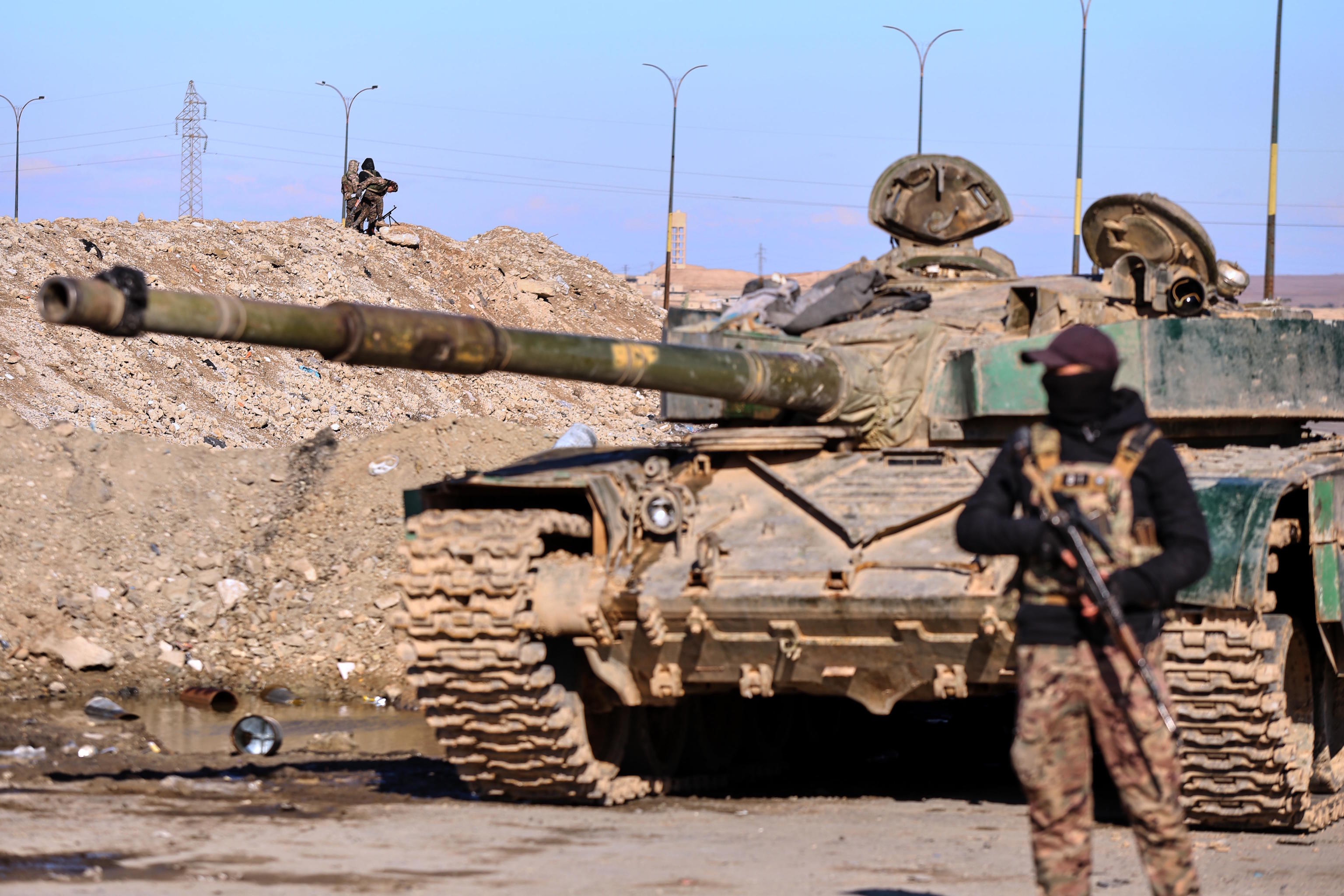
From Iraqi Kurdistan, guerrilla leaders state that state violence, intensified after the massive protests in recent years, has closed any door to a political solution.
In the town of Koya, near the Iranian border, camps, memorials, and fighter cemeteries reflect a struggle that has been ongoing since 1979 when the Islamic Republic consolidated its power. The Kurdistan Democratic Party of Iran (PDKI) and other groups recall attacks such as the Iranian bombing in 2022 against their bases during a popular uprising.
Mustafa Hijri, leader of the PDKI, states that more than 7,000 peshmergas have died, and tens of thousands have been imprisoned since the conflict began. Surrounded by portraits of historical figures like Qazi Muhammad and Abdul Rahman Ghassemlou, Hijri argues that systematic repression, executions, and political persecution have driven the Kurdish opposition to take up arms. Kurdish unity marks a turning point in the Iranian conflict and raises tensions in the Middle East, in an increasingly unstable regional context.