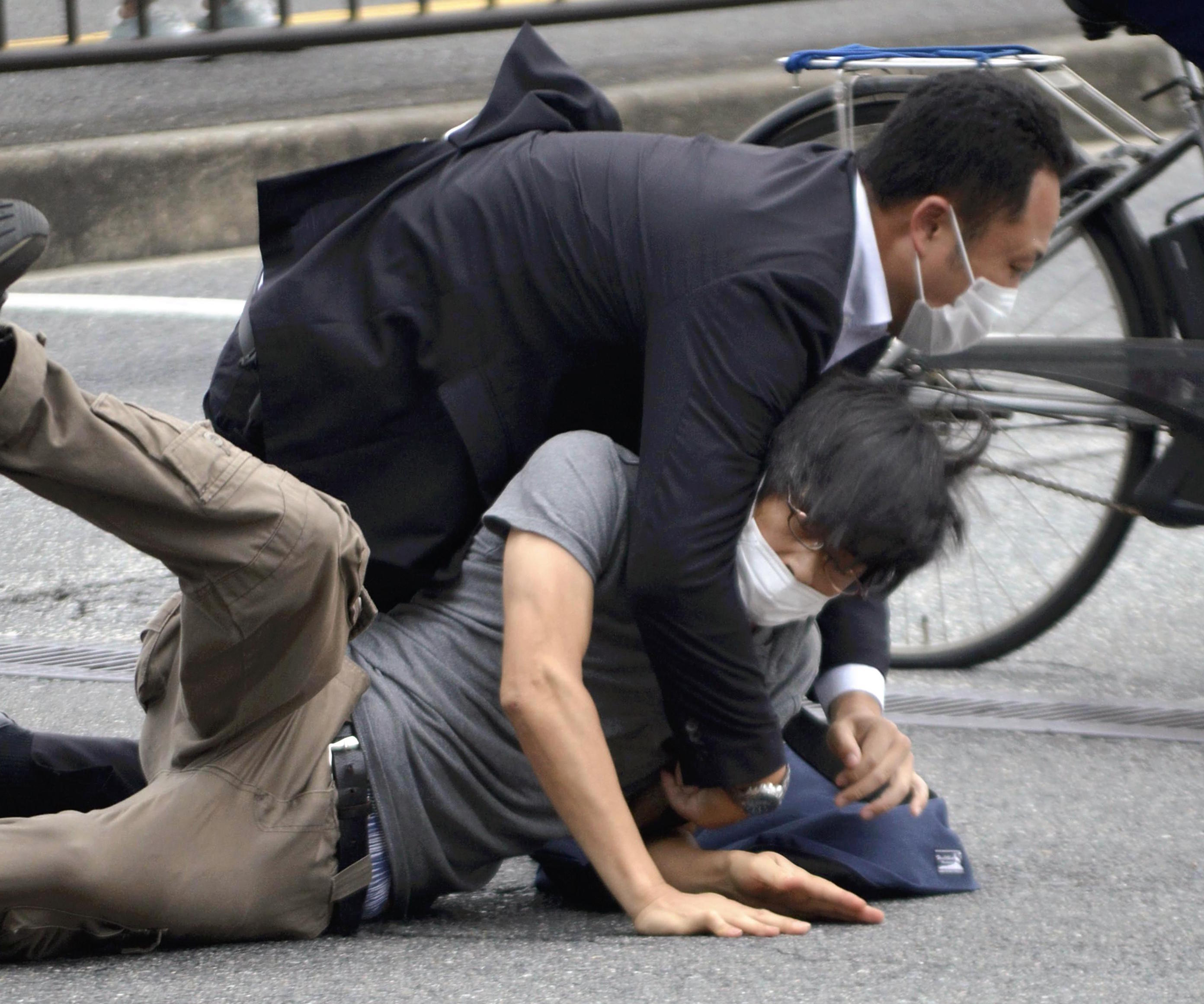
It was one of the most anticipated verdicts in Japan: a court in the city of Nara has sentenced Tetsuya Yamagami, the assassin of former Japanese Prime Minister Shinzo Abe, the longest-serving Japanese leader, to life imprisonment.
This is a historic ruling that closes one of the most traumatic episodes in post-war Japanese politics. The verdict comes a couple of days after the current Prime Minister and political disciple of Abe, conservative Sanae Takaichi, announced the holding of early elections on February 8th.
The sentence marks the end of a long-awaited and highly symbolic process in a society unaccustomed to political violence. Abe was assassinated in July 2022 in broad daylight while delivering a campaign speech in Nara, on the eve of the Upper House parliamentary elections.
Yamagami shot him twice with a homemade weapon, bypassing security measures. The former Prime Minister died hours later in the hospital. The attack caused deep national shock.
In Japan, a life sentence leaves open the possibility of parole, although experts note that most prisoners receiving this sentence die in prison. The trial did not begin until late last year, even though Yamagami, 45 years old,confessed to the crime from the outset.
The delay was due to the prolonged psychiatric evaluation process that the convicted underwent, an essential requirement for the Prosecution to determine his capacity to stand trial. Prosecutors had requested life imprisonment, describing the event as an "unprecedented murder in our post-war history."
During the investigation, Yamagami explained that his target was not Abe as an individual, but what he represented: his relationship with the Unification Church, an influential ultraconservative organization founded in South Korea in 1954 and known for its mass weddings and aggressive donation policy. According to Yamagami, that organization was directly responsible for his family's ruin.
"Yamagami thought that by killing someone as influential as former Prime Minister Abe, he could draw public attention to the church and fuel public criticism against it," one of the prosecutors said during the trial.
The killer recounted that his mother, a devout member of the church, gave the religious group over 100 million yen - about 565,000 euros - over several years. To raise that sum, she sold the family home and depleted her husband's life insurance, who had committed suicide when Yamagami was just four years old. As a result, the family fell into extreme poverty.
That resentment grew over the years. "I will never forgive the church or the Japanese who align with it," Yamagami wrote on his Twitter account in 2019, in a message that investigators recovered after the assassination. Convinced that Abe symbolized the political legitimization of the organization, he decided to attack him to draw public attention to his cause.
Yamagami's lawyers argued that the context of abandonment, family trauma, and economic exploitation should be taken into account in the trial, so they requested that the sentence be limited to a maximum of 20 years in prison. However, the court considered the seriousness of the crime and its impact on Japanese society justified life imprisonment.
After Abe's death, Japanese media revealed the close relationship between the former Prime Minister and the Unification Church. A subsequent investigation revealed that 179 out of 379 members of the Liberal Democratic Party (LDP) had ties to the organization. The party, which has governed Japan almost uninterrupted since the post-war period, then committed to formally sever all those relationships.
Shinzo Abe was the longest-serving Prime Minister in Japanese history. He ruled for a total of 3,188 days in two non-consecutive terms. After winning six national elections in seven years, he resigned in August 2020 citing health issues.