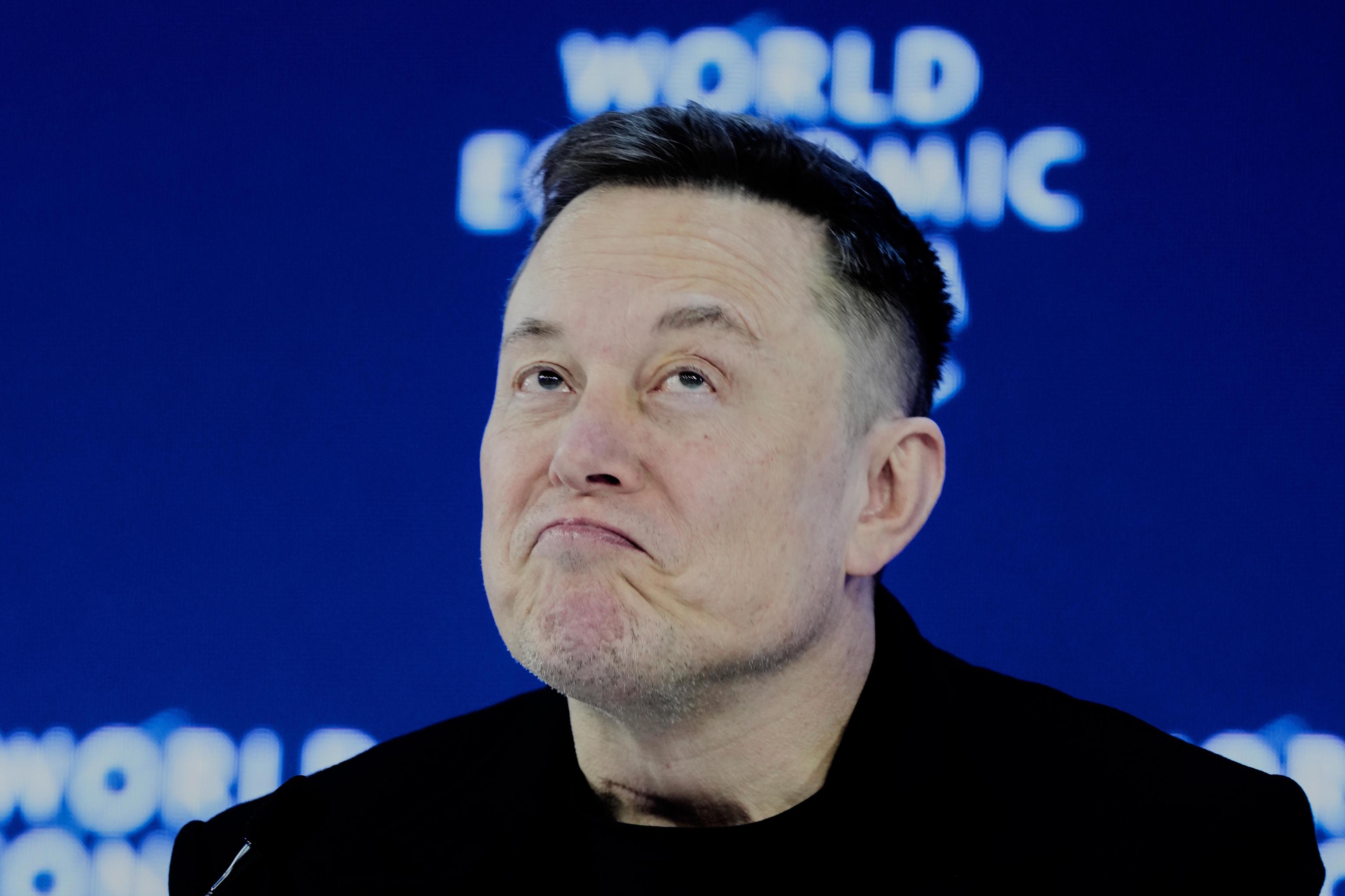
The magnate Elon Musk, known for his ambitious space and automotive projects, burst into the Congress Center with a vision that places depopulated Spain at the center of European energy sovereignty. Before an expectant audience, the owner of Tesla and SpaceX outlined a future where artificial intelligence and robotics will transform daily life, as long as a source of cheap and sustainable electricity is guaranteed. Spain and Sicily: Europe's solar hubs One of the most relevant points for the Spanish public was Musk's direct mention of the photovoltaic capacity of the peninsula. During his talk, the entrepreneur advocated for the creation of territories dedicated entirely to energy production, comparing the potential of certain American regions with the Old Continent. According to sources, Musk stated: "Basically, you could take a small corner of Utah, Nevada, or New Mexico. It's a very small percentage of the U.S. area to generate all the electricity the country consumes. And the same is true, in fact, for Europe. You could take depopulated areas of, say, Spain and Sicily, and generate all the electrical energy you need." Despite this potential, Musk lamented that tariff barriers, especially in the United States, artificially increase the adoption of these technologies due to China's dominance in panel manufacturing. To counteract this dependence, he revealed that his teams at "SpaceX and Tesla, separately, are working to build solar energy manufacturing capacity of 100 GW per year in the United States."
Tesla Optimus Robots in homes by 2025 Beyond energy, Musk offered astonishing forecasts about automation. According to his vision, in just five years, artificial intelligence will possess more knowledge than all of humanity combined. This advancement will materialize physically through humanoid robots, an industry that he predicts will outnumber the human population. The deployment schedule for his Tesla Optimus robot is imminent. After confirming that they already perform simple tasks in their factories, Musk announced that "by the end of next year, we will be selling humanoid robots to the public." The magnate is confident in the massive reception of these devices, asking the audience: "Everyone will want to have one, to take care of pets or the elderly, who wouldn't want something like that?" The dream of Mars and farewell from Davos True to his provocative and visionary style, the interview conducted by Larry Fink (BlackRock's president) allowed Musk to combine the promotion of his products with personal reflections on his legacy. When asked about his long-term plans and his well-known obsession with space colonization, the world's richest man left a memorable phrase before leaving the stage: "I would like to die on Mars, but not crashing." This intervention in Davos makes it clear that for Musk, the viability of future civilization depends on an accelerated energy transition towards the sun, where regions like rural Spain have a leading role that is yet to be fully exploited.