Indian health authorities are working to contain a new outbreak of the Nipah virus in the state of West Bengal, in the eastern part of the country, after confirming five cases and the preventive isolation of nearly a hundred people. The episode has reactivated regional alarm due to one of the deadliest known pathogens, with a mortality rate that can reach 75%, and for which there is neither a vaccine nor specific treatment.
Two of the confirmed cases are nurses from a private hospital located about 25 kilometers from the city of Kolkata. Both workers shared shifts between December 28 and 30 and began to present severe symptoms - high fever and respiratory distress - a few days later. On January 4, they were admitted to the intensive care unit after a rapid clinical deterioration. One of them remains in a coma.
Preliminary investigations suggest that both healthcare workers were infected while caring for a patient with severe respiratory symptoms who died before the infection could be confirmed. Experts have pointed out that this possible case, not diagnosed in time, has once again highlighted one of the main risks of Nipah: its ability to spread silently in hospital settings.
The Ministry of Health of India has issued a national alert and has asked all states to strengthen epidemiological surveillance, accelerate the detection of suspected cases, and intensify prevention measures, especially in hospitals and primary care centers.
It has been emphasized that Nipah infection can rapidly progress to acute respiratory infection and encephalitis, a potentially fatal inflammation of the brain. Initial symptoms include fever, vomiting, headache, and fatigue, followed by respiratory distress, confusion, and seizures.
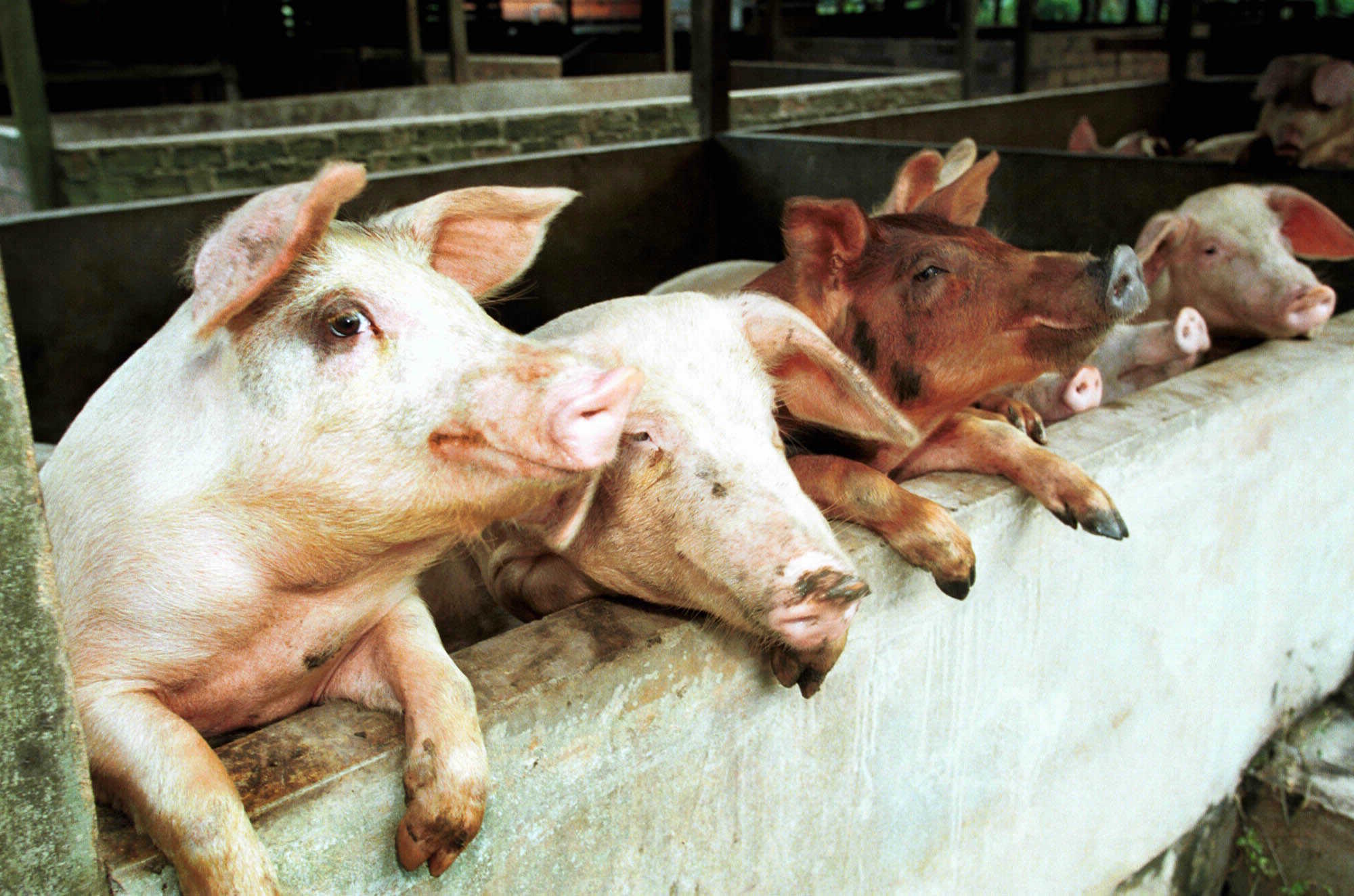
The Nipah virus is a zoonotic pathogen first identified in 1998 during an outbreak in Malaysia and Singapore, associated with pig farms. Its natural reservoir is fruit bats of the genus Pteropus, mainly found in South Asia and Southeast Asia. Transmission to humans can occur through the consumption of contaminated food or direct contact with infected animal fluids. In previous outbreaks, pigs have acted as intermediate hosts.
The new outbreak in West Bengal has had an immediate effect beyond Indian borders. This Monday, Thailand, a country that daily receives a large number of Indian tourists, has started to carry out health checks on passengers from India, while Nepal has raised its national alert level.
"It is estimated that the Nipah virus is around 40 times less transmissible than Covid-19, but more virulent, which prompts Thailand to maintain increased vigilance," explained Dr. Sophon Iamsirithavorn, Thai Deputy Public Health Secretary.
Dr. Jurai Wongsawat, Director-General of the Department of Disease Control (DDC) in Bangkok, pointed out that Thailand has "fruit bats similar to those in India," which are virus transmitters, causing concern among communities living near bat habitats.
In South Korea, local media have reported that authorities have classified Nipah virus infection as a first-level infectious disease, a classification for the most dangerous outbreaks with a high mortality rate that require immediate notification and isolation.
In China, some experts from the Centers for Disease Control have called for strengthened quarantine and control measures for people entering from India.
Specialists emphasize these days that Nipah can be transmitted among people mainly through respiratory secretions and saliva, making it a particularly difficult threat to contain in high population density contexts. In India, the most populous country in the world, more than 1.4 billion people live.
This nation has experienced sporadic outbreaks in the last decade. The most serious episode occurred in 2018 in the southern state of Kerala, where an outbreak left at least 17 dead. That crisis marked a turning point in the perception of Nipah risk in the country and led to strengthening surveillance protocols and rapid response.
In September 2023, Kerala authorities confirmed a new outbreak after the death of two people and quarantined over a thousand individuals. The rapid activation of containment measures - including temporary closure of schools and mobilization of the army for logistical tasks - prevented further spread.
Outside India, Bangladesh has experienced almost annual outbreaks since the early 2000s. Unlike other scenarios, direct transmission of bats to humans through the consumption of raw date palm sap has been clearly documented in this country, a traditional product that can be contaminated with bat secretions.
In the Philippines, an outbreak in the southern part of the country in 2014 was linked to the consumption of infected horse meat and caused at least 17 deaths. Going back several years, we recall the scenario in Malaysia and Singapore as the epicenter of the first major Nipah outbreak. Between 1998 and 1999, at least a hundred people died. Pigs acted as intermediate hosts, facilitating massive virus transmission to pig farm workers. The crisis led to the culling of over a million pigs.