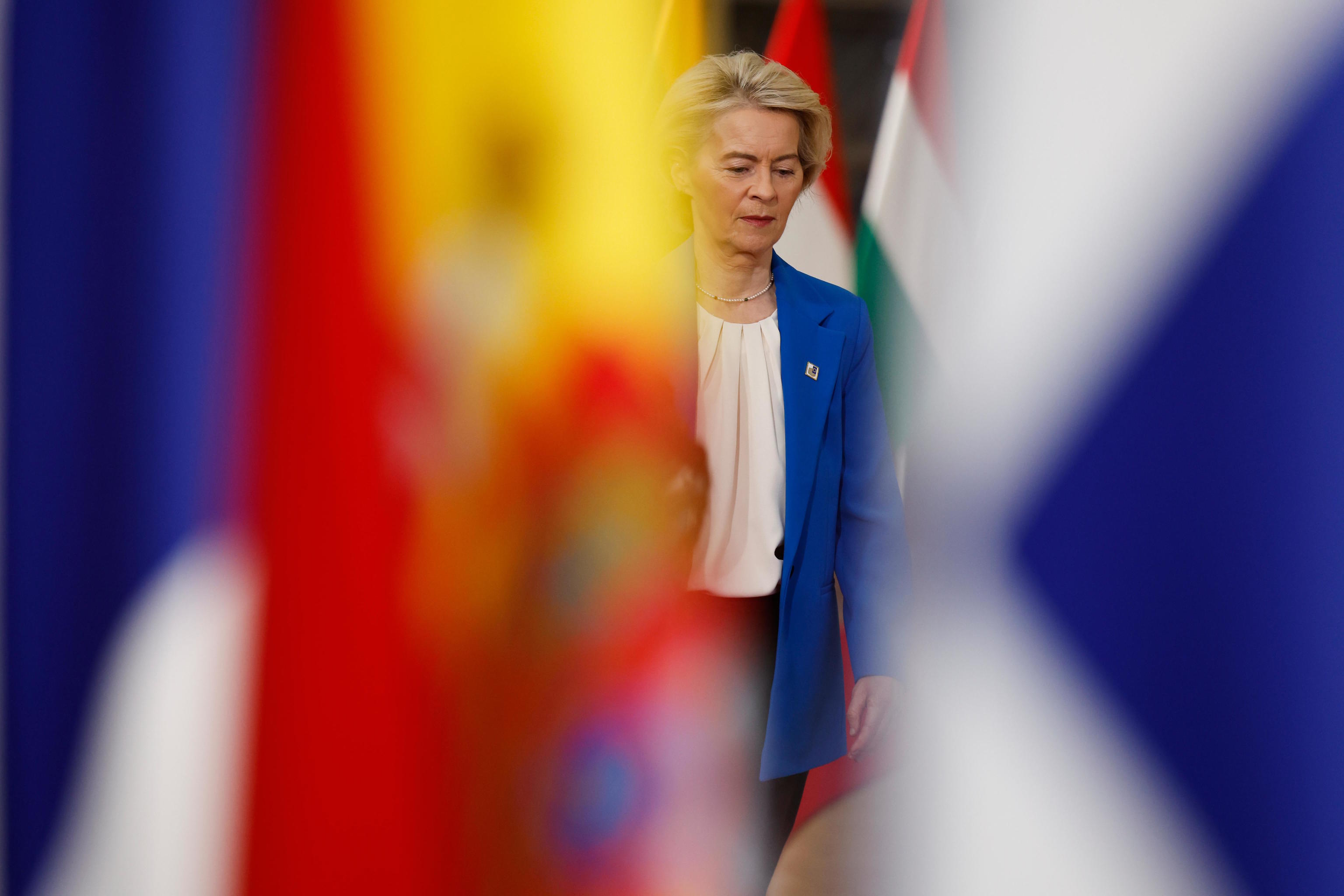
The European Commission has presented its 20th package of sanctions against Russia, focusing on "energy, financial services, and trade", and announced as the war in Ukraine is nearing its fourth year. "Russia's aggression against Ukraine will soon reach 1,500 days," begins the statement from the President of the European Commission, Ursula von der Leyen, distributed by the European Executive.
"While Ukraine continues to defend itself with extraordinary valor on the battlefield, the Kremlin intensifies war crimes, deliberately attacking homes and civilian infrastructure. Energy facilities and heating systems have been targeted, leaving entire communities without electricity in sub-zero temperatures," added the German senior official.
In the energy sector, the Commission proposes a total ban on maritime services for Russian crude oil. "This will further reduce Russia's energy revenues and make it harder to find buyers for its oil," explains Von der Leyen.
"We have added 43 additional vessels to the shadow fleet list, totaling 640. We also make it difficult for Russia to acquire tankers for its shadow fleet and add extensive prohibitions on providing maintenance services and other services for LNG carriers and icebreakers, in order to further damage gas export projects," emphasizes the Commission President.
In the financial sector, the EU aims to include 20 more Russian banks on its blacklist. And thirdly, Brussels wants to tighten export restrictions to Russia with new prohibitions on goods and services worth over 360 million.
"Russia's oil and gas tax revenues fell by 24% in 2025 compared to the previous year, the lowest level since 2020, widening its fiscal deficit. Oil and gas revenues in January will be the lowest since the war began. Interest rates are at 16%, and inflation remains high. This confirms what we already knew: our sanctions are effective, and we will continue to use them until Russia engages in serious negotiations with Ukraine for a just and lasting peace," states Von der Leyen.
The measures will now need to be approved by the countries, which is not easy as unanimity is required. With the 18th package of sanctions, for example, Slovakia posed many difficulties, and at one point, the situation was viewed with great concern. Hungary is no longer counted on directly. Therefore, Von der Leyen has wanted to make "a call to the Member States to quickly support these new sanctions". "Doing so would send a powerful signal on the bleak fourth anniversary of this war: our commitment to a free and sovereign Ukraine is unwavering. And, if anything, it strengthens day by day, month by month, year by year," she added.
Kaja Kallas has also commented on the new package of sanctions. The EU's foreign policy chief stated, through her profile on the social network X, that "Russia continues to respond to diplomacy with missiles." "Moscow is not invincible. On the battlefield, its army is stagnating. At home, its economy is crumbling. More pressure, along with our partners, and increased military support to Ukraine can shorten this war," she added.