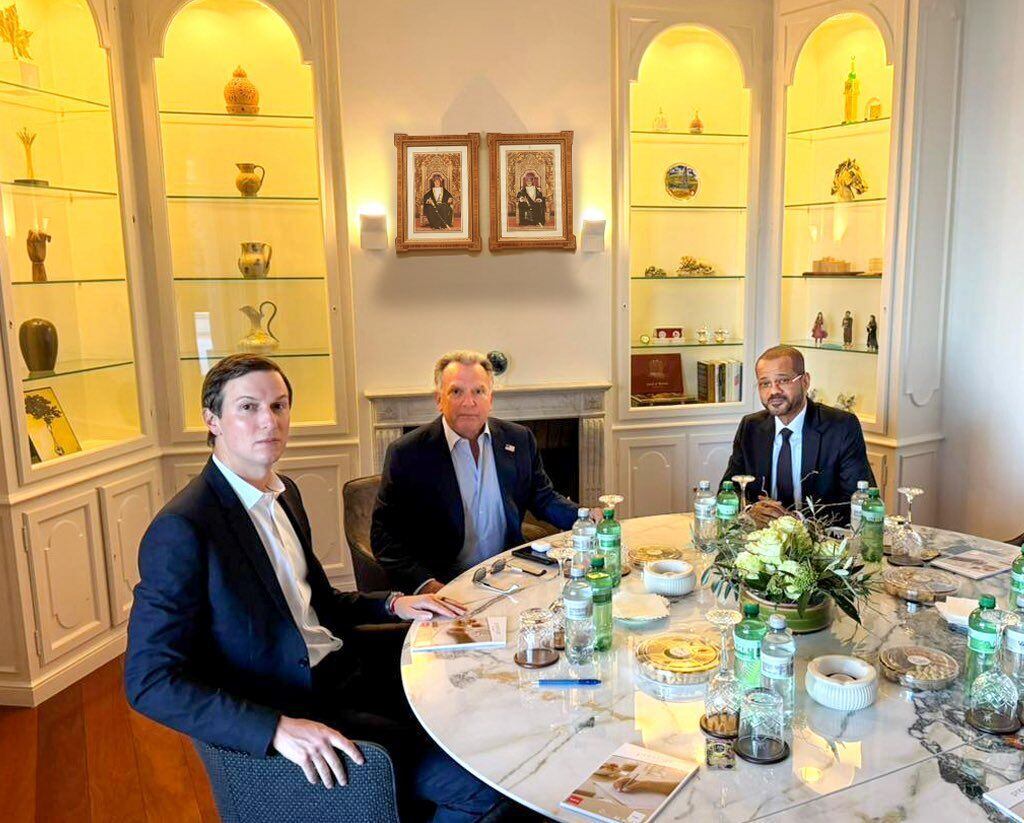
his meeting, the third this month, is taking place in a format of indirect talks mediated by Oman, with specific details on demands and mutual concessions being kept under strict diplomatic secrecy.
The United States comes to the negotiating table applying a maximum pressure strategy, backed by the largest military deployment in the region since 2003 and a series of sanctions against companies and individuals linked to Iranian oil trade. Secretary of State Marco Rubio expressed concern, stating that although Iran is not actively enriching uranium at the moment, there are constant attempts to rebuild key elements of its atomic infrastructure. Rubio also emphasized that the large number of ballistic missiles in Tehran's possession represents a "big, big problem" for the security of US interests in the region.
From the Iranian perspective, Foreign Minister Abbas Araghchi has been clear in warning that a military aggression would lead to a "devastating war" with no winners. Araghchi insisted that, given the presence of US bases in various strategic points, a conflict of this magnitude would inevitably involve the entire region, creating a "terrible scenario." However, Iranian President Masoud Pezeshkian expressed optimism for these negotiations, hoping to resolve the current state of "neither war nor peace".
Tehran has made it clear that it will only negotiate the nuclear issue, ruling out including its ballistic missiles or support for regional militias in the agreement. Their primary goal is to regain a similar agreement to the 2015 one that allows for easing of economic sanctions in exchange for limits on enrichment, without completely dismantling the program. According to Richard Weitz, a NATO researcher, the immediate critical points are setting the permitted enrichment level, the fate of accumulated uranium, and the international monitoring system.