As it happened with the invasion of Ukraine by Russia, the attack by Israel and the United States on Iran has once again put the spotlight on energy repercussions. And, once again, gas could be a key player.
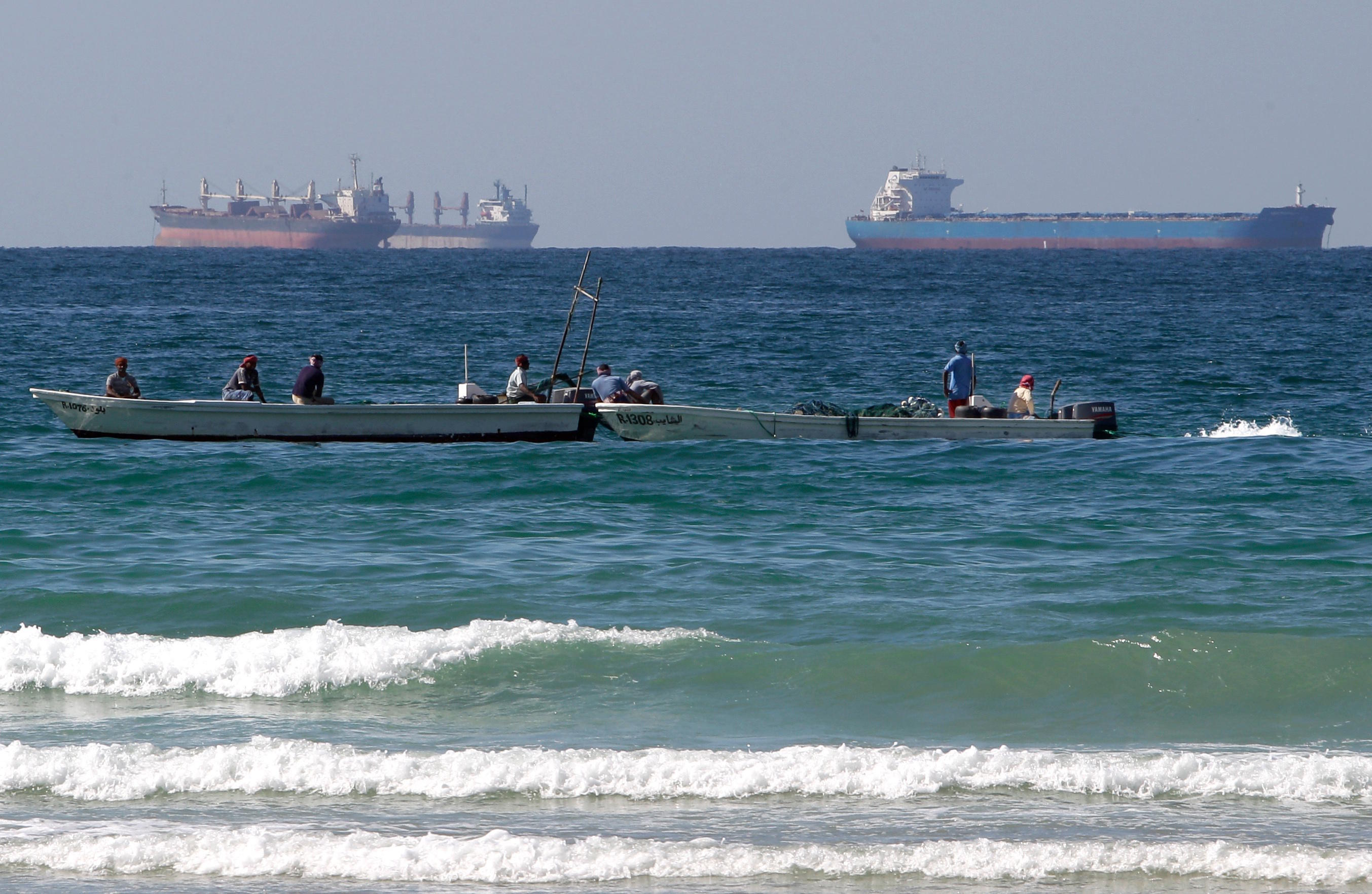
Initially, the focus was on the impact that the attack could have on the oil passing through the Strait of Hormuz (around 20% of all oil transported worldwide). However, the area is also important in the natural gas trade: Qatar is the third-largest producer globally and sends part of its gas through this point.
All of this comes at a time when European gas reserves are very low after winter. Specifically, on Friday, February 27, they were at 30.05% on average, equivalent to 343.34 TWh according to the aggregated inventory of Gas Infrastructure Europe (GIE). A very low figure, although not necessarily worrying or out of the ordinary. Last year, for example, at the equivalent week's Friday, they were at 38%. One has to go back to 2022 to see a lower percentage (27.76%), but this is not an anomalous situation; it also occurred in 2018 (27.01%) or 2017 (28.55%), for example.
In fact, on Friday, March 4, 2022, a day after the invasion of Ukraine, reserves had dropped to 27.76%. Then, looking ahead to the following winter, Europe did worry about its supply, especially after the closure of the Nord Stream gas pipeline. Starting from that summer, Europe began stockpiling natural gas and entered the next winter with reserves almost overflowing, reaching nearly 60% by the end of February.
Both then and now, Spain's storage is much fuller. According to the latest data, at 55.73%, a percentage surpassed only by Portugal (76.72%), although with a much smaller capacity (only 2.73 TWh, compared to the national 19.97 TWh). Hungary (24.58 TWh), France (26.88), Austria (36.43), and, especially, Germany (51.67) and Italy (96.79) have more gas stored but emptier reserves.
The situation, in any case, is relatively normal after a considerably harsh winter - this January has been one of the coldest in Europe in the last 10 years - which increases the use of natural gas for heating and impacts reserves. In Spain's case, moreover, the reinforced operation of the system has led to increased operation of combined cycle power plants since the blackout, burning gas to generate electricity, thus putting pressure on demand from various fronts. The coming months should bring relief, both due to increased renewable production in spring - coinciding with months of significant wind, solar, and hydraulic contributions - and milder temperatures.
In this context, therefore, Europe could relatively easily absorb the loss of such an important producer as Qatar, the world's third-largest exporter of natural gas, behind Australia. The United States leads the ranking, having increased its influence since 2015 when its weight was almost marginal. Here is another key point: the dominance of the U.S. is because it ships the hydrocarbon in the form of liquefied natural gas (LNG) by ship, not through pipelines. Qatar also has weight in this market, but its exports are mainly done by pipeline.
Although the Qatari government is building several liquefaction plants to take advantage of these routes, they will come online in the coming years, so unless the crisis prolongs, they will not contribute during this conflict once the markets start to tighten. Meanwhile, the United States has several, allowing for much more flexible operations since the routes do not depend on physical infrastructure. LNG trade has increased by 21% since 2019 and is expected to continue growing.
The one who will suffer the most from the problems that the Strait of Hormuz transfers to natural gas will be China, the world's leading importer of this fuel (received 22% of all traded LNG in 2025) and also Qatar's main customer, which only exports 25% of its gas to Europe, according to a report from the U.S. Energy Information Administration. But the Old Continent is the second most important liquefied gas market, behind Asia, as ships allow for source diversification that proved crucial since the closure of Nord Stream. In Spain's case, in 2025 Qatar contributed only 1.7% of all gas entering the country, with six countries ahead. In 2024, it also held the seventh position, although that year it reached 3.3% of the gas.
Spain's situation is also unique. It is the third country with the most regasification capacity in the world and accounts for 34% of the European Union's capacity. It has six plants - in Barcelona, Huelva, Cartagena, Bilbao, Sagunto, and Mugardos - and a seventh, El Musel, which is not connected to the national grid, although Enagás aims to integrate it into the system this year. Amid the crisis over the war in Ukraine, Spain - with Teresa Ribera, then Minister for Ecological Transition, at the helm - made this network available to Europe.
Ribera advocated for improving gas pipeline connections with France, the failed MidCat which ended up being converted, already thinking about hydrogen, into H2Med. Additionally, the government then highlighted its regasification capacity so that other countries could go to one of its ports for gas from third parties, a role it could reassume if necessary in a potential gas crisis stemming from the conflict in Iran. Last year, Spain was the third country that re-exported the most LNG worldwide, accounting for 15.8% of the total, according to IGU.
Despite this, Spain's main partner is Algeria (34.5% of the gas Spain imported in 2025 came from there), and most of the gas sent by this country entered through pipelines (107,179 GWh). It also arrived by ship, although to a lesser extent (21,325 GWh).
Meanwhile, the United States now holds the second position, accounting for 30% of the total last year, with Russia following at 11.4%. Despite closing Nord Stream, Moscow continues to send liquefied natural gas, although this situation should change soon. In January 2026, the Council adopted a Regulation to ban all types of Russian gas imports - both LNG and through pipelines - from Russia starting March 18, 2026 (transitional periods will apply to existing contracts). By the end of 2027, all Russian gas imports will be prohibited. Paradoxically, as explained by the European Council, "this distancing from Russian gas has been made possible mainly thanks to the sharp increase in LNG imports and the overall reduction in gas consumption in the EU".