Markets ring the bell following the start of an open war between the US, Israel, and Iran. They have done so with declines, amidst high volatility that will mark a very unstable day.
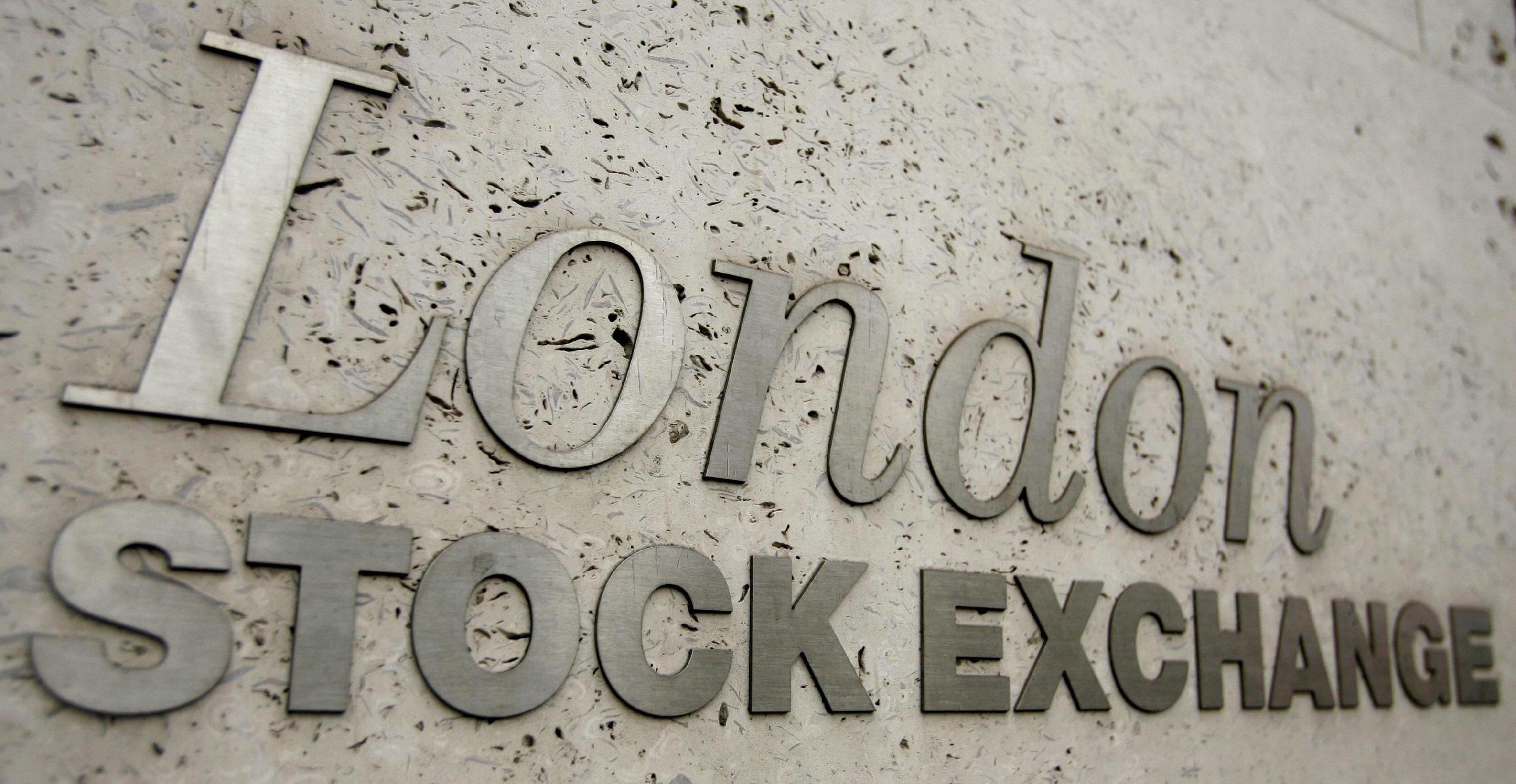
In the most severe cases at the opening of European markets, the Ibex has fallen by 3%, a greater drop than anticipated by futures in the early hours of today. But it was not the only one: in the case of the Eurostoxx 50 index, which includes the most relevant companies in Europe, it fell by more than 2%, while the German DAX suffered a 4% cut. In any case, the least affected was the London Stock Exchange, which trimmed by 0.8%.
The key lies in commodity market prices. Gas prices have soared by 25% at the bell. Meanwhile, gold has risen by 3.2% to 5,418 euros per ounce of the precious metal, following the logic that it acts as a safe haven asset in times of uncertainty. This increase, however, exceeded the forecasts in commodity market futures, prior to the opening, which predicted a rise of 1.6% to reach 5,360 dollars per ounce.
The star of the day, oil, experiences an increase of nearly 10% in the case of Brent crude, reaching 80 dollars per barrel, implying a difference of almost 10 dollars compared to the price a week ago. Hours before the opening, crude oil price futures rose with each escalation of attacks, especially with Donald Trump's announcement that the attacks could last for weeks. At that time, the price of Brent rose by 6.4% to 77.57 dollars per barrel, briefly surpassing the expected 82 dollars.
Overall, the stock markets have reacted with an initial negative shock; that is, with declines that, if following the same trend as Asian markets, will moderate throughout today. On the other hand, stock markets in the Middle East, closer to the conflict, reflect high volatility today, although there are notable absences from the United Arab Emirates, which will keep the Abu Dhabi Securities Exchange (ADX) and the Dubai Financial Market (DFM) closed today and tomorrow, the first sessions after the Iranian attack.
"The most immediate and tangible event affecting oil markets is the effective interruption of traffic through the Strait of Hormuz, preventing 15 million barrels of crude oil from reaching the markets daily," said analysts at Rystad Energy before the opening. "Unless signs of relaxation emerge quickly, we expect a significant increase in oil prices."
However, stock market analysts emphasize that this is a situation that will evolve according to the escalation of the war tension. A very tangible proof of this is the commodity market futures themselves, which have changed their outlook throughout the early hours, following announcements that Israeli and US forces have carried out new attacks on various points in Iran, including its capital, Tehran, on the same night as explosions were recorded in the United Arab Emirates, Kuwait, Qatar, and Bahrain, where Washington has military bases.
Furthermore, the situation in the Strait of Hormuz will also set the course for this week's sessions, where economic tensions are concentrated. The net impact of its closure would mean a loss of between eight and ten million barrels of crude oil supply daily, even if alternative routes were used, according to analysts at the specialized firm Rystad Energy. And, in any case, trade in the region is being hindered, implying delays, itinerary changes, or schedule adjustments in logistics, which likely leads to price hikes in this sector.
Renta 4 analysts highlight, among the sectors most affected by the conflict in an initial analysis, a revaluation of energy and defense companies, against a negative correction in sectors like airlines (due to disruptions in air traffic and the rise in crude oil prices).
Thus, Repsol and Indra have significantly increased the price of their shares at the opening of the stock market. In fact, they were the only companies in the Ibex 35 to start with gains: Repsol surged by 7.5% in the early stages of the session (20.43 euros per share), while Indra climbed by 3.5% (64.95 euros per share).
On the other side of the scale, IAG led the declines in the Ibex 35 with a drop of over 7%, influenced by the closure of airspace in various Middle Eastern countries. The price of its shares stood at 4.47 euros per share, the most affected this Monday.