The escalation of the conflict in the Middle East has forced Europe to take a stand as the war zone expands. It now affects the European Union, with a UK base in Cyprus being attacked. Amid this crisis, the Spanish government navigates between condemning attacks on European soil, its anti-Trump stance, and reservations towards initiatives to enhance European security, such as the alliance led by France and Germany, with nine continental partners already, in search of nuclear deterrence. The result of Moncloa's balancing act is Spain's double isolation, allowing Sánchez to strengthen his image as a left-wing leader in the face of the advancing forces and movements aligned with Trump.
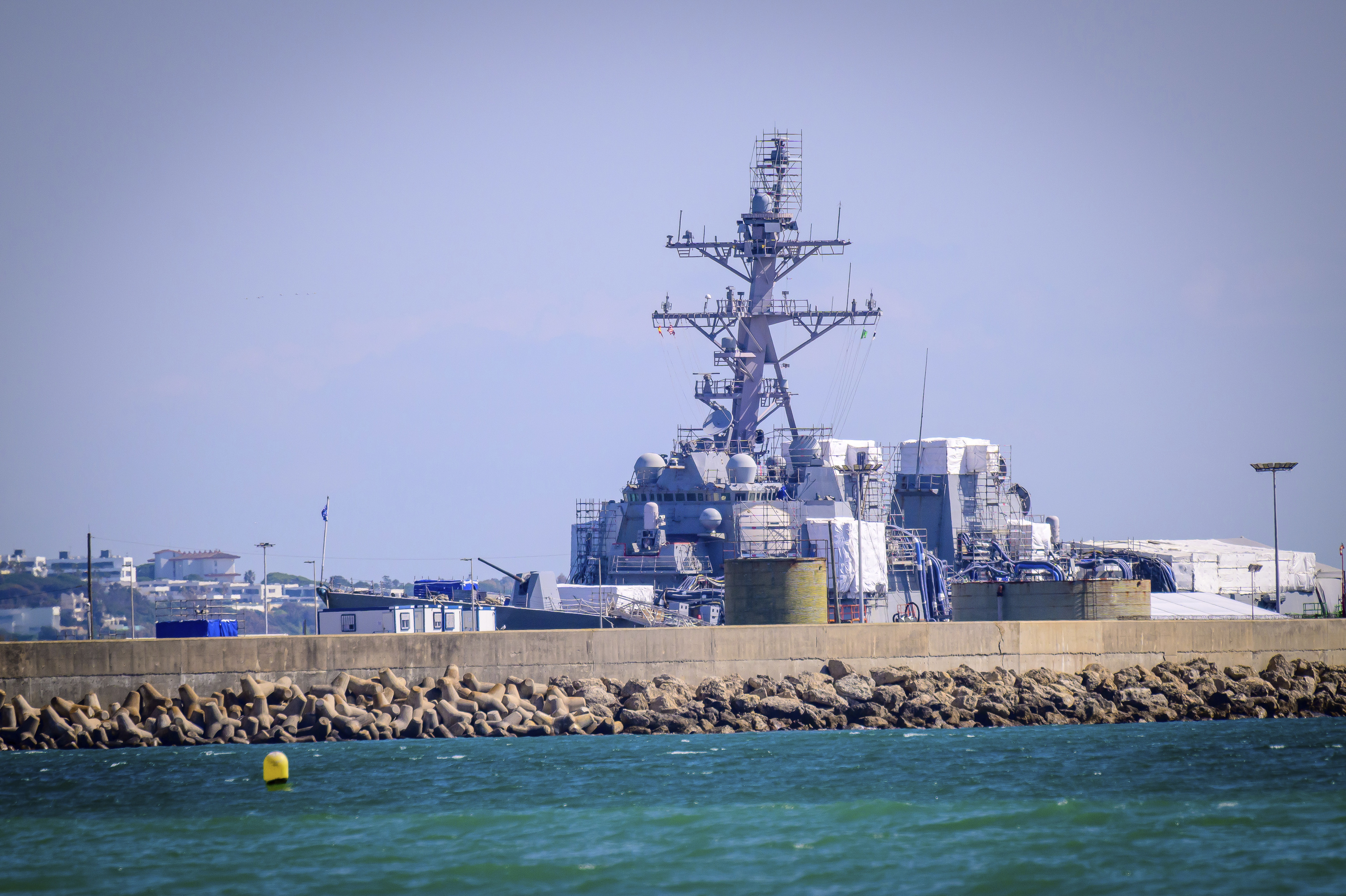
The confrontation with the US administration became evident with the departure of at least 11 planes from the Morón base heading to Germany. This move is explained by the agreement between the US and Spain for the use of military facilities, which does not allow unilateral operations from Spanish bases without prior authorization. And they wouldn't have requested it, given Spain's known position. "The tanker planes [for fighter refueling] at Morón or Rota have not carried out, nor will they carry out, any maintenance or support operations," reaffirms Margarita Robles, citing the agreement. "Probably because they know that such operations won't be conducted from here, they have decided, sovereignly, to go to other bases," stated the Defense Minister.
The transfer of Spanish fighters to Germany sparked strong criticism from conservative sectors in the US. Tom J. Fitton, a conservative activist and president of Judicial Watch, stated on X that "the treacherous behavior of Spain's leftist government in this time of war endangers the lives of our military personnel." Columnist Marc Thiessen was more direct, demanding: "Spain should be kicked out of the NATO now."
US Senator from South Carolina and conservative Lindsay Graham stated that "the current Spanish government is becoming the model to follow for a pathetically weak European leadership, seemingly reluctant to condemn the Iranian terrorist regime and only critical of the United States," an accusation with partial information, as Spain has condemned Iranian attacks.
Yesterday, the Minister of Foreign Affairs, José Manuel Albares, summoned the Iranian ambassador in Madrid, Reza Zabib, to "express our rejection and condemnation of Iran's unjustified actions towards the countries in the Middle East," as well as towards Cyprus. During the meeting, the Iranian ambassador was demanded to "immediately cease" these actions and was reminded that they also endanger Spanish citizens in the region at the moment, around 30,000. Albares has not summoned the US ambassador or the Israeli chargé d'affaires. There are no plans to call them in. If Donald Trump withdraws his planes from Spain, it would also serve as protection against retaliation: Iran's representative in Spain stated on Monday that they would respond to any collaboration.
Alongside US criticism, in Europe, Germany and France have established a high-level dialogue group to strengthen nuclear defense. Several countries have already joined the agreement. Spain is not part of these discussions, having self-excluded from any nuclear-related matters. "We have openly expressed anti-nuclear proliferation views and do not agree with the escalation," say sources consulted. Spain also did not participate in the round of phone calls with NATO Secretary-General Mark Rutte over the past weekend. Yesterday, in an interview, Rutte emphasized that he had spoken with "key European leaders" who all supported Trump's "action."