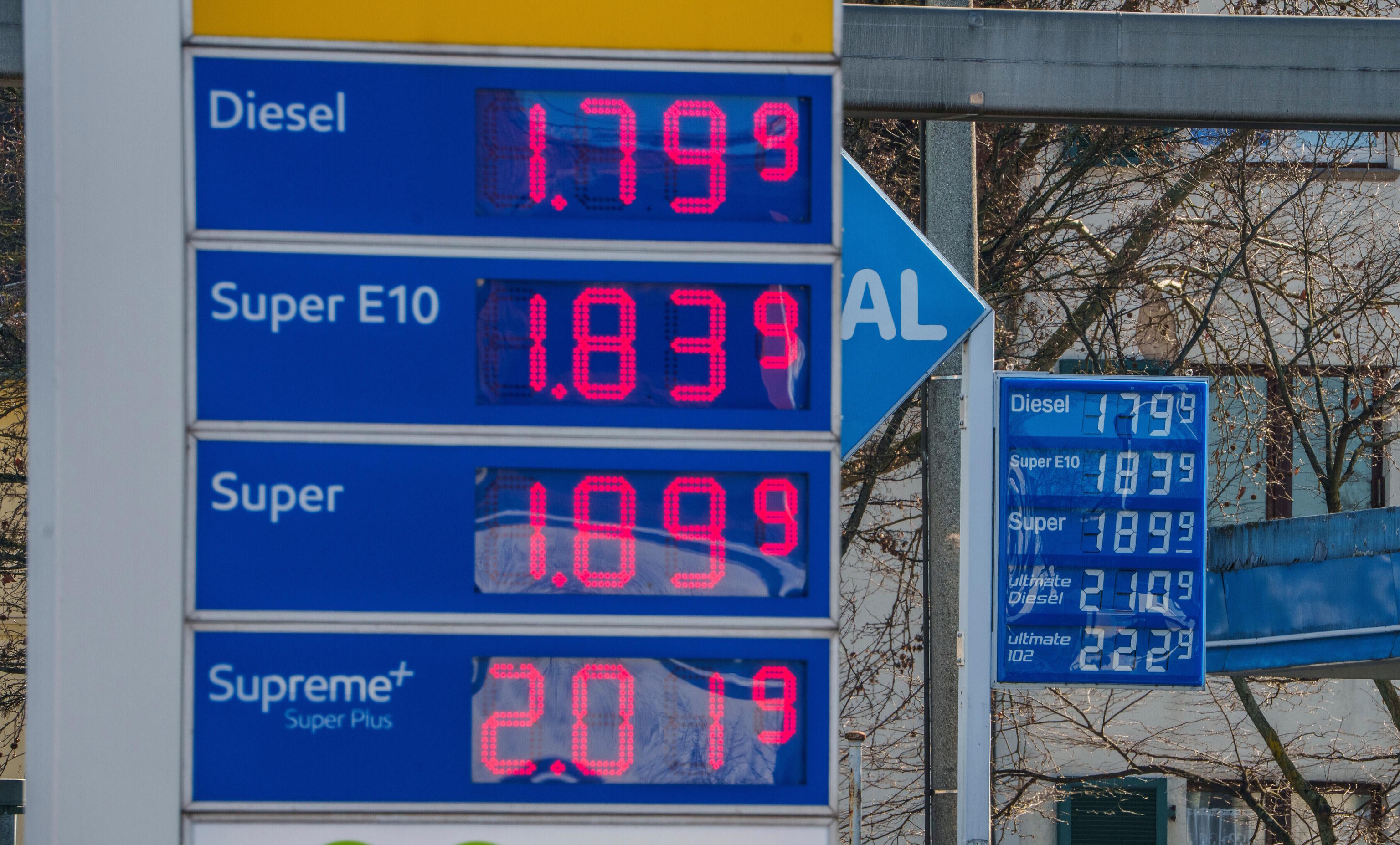
The price of gas in Europe soared by over 45% yesterday, following Qatar's announcement of an indefinite halt in its production due to the military escalation in the region. The country represents 20% of the global supply of liquefied gas, which is now under threat. Hours later, Iran officially announced the blockade of the Strait of Hormuz. Throughout the day, the price of Brent crude oil rose by over 7%, surpassing $77 per barrel. As the reader may have deduced by this point, this will ultimately impact consumers' wallets, not only in fuel purchases but also potentially in electricity bills.
The first impact will be felt at the pump. In Spain, the situation will not reach the levels seen before the liberalization of the fuel market in the late 1990s when the government announced price increases and drivers queued endlessly at gas stations. However, many stations have already reported significant sales increases since Saturday, attributed to the geopolitical situation. Within days, the price of gasoline in Spain could reach 1.8 euros per liter, according to industry forecasts accessed by EL MUNDO.
The increase in electricity bills is "certain but not immediate," several analysts affirm. The extent of the impact will depend on two factors: how much the conflict in the Middle East escalates and for how long. Gas and electricity markets are interconnected because at certain times of the day, gas prices influence electricity prices. The general rule is that for every euro increase in gas prices, electricity prices rise by two euros. On Tuesday, the Dutch TTF, the gas benchmark in Europe, opened around 38.5 euros/MWh and closed at 44.5 euros.
Yesterday, analysts at Goldman Sachs projected that a 7.5 euros/MWh increase in natural gas could boost the profits of major European utilities by an average of 6% by 2028. They also forecasted that the profit surge could be short-lived for companies, as governments might reintroduce ad hoc taxes or price caps to limit windfall profits, as seen during the Ukraine crisis.
While the impact on gasoline and gas is immediate, "the contagion to electricity prices could be delayed by several days or weeks," various analysts confirm. Hours before Iran officially announced the blockade of the Strait of Hormuz, through which 20% of the world's liquefied gas trade and 25% of oil flow pass, analysts at Grupo Ase predicted that the closure could "put pressure on international energy prices" in both gas and electricity.
"There is no immediate effect observed in the daily electricity market in Spain yet, given the predominance of renewable generation in the mix and the forecast of reduced contributions from combined-cycle power plants in the coming months. However, in the medium term, futures markets could react if there is a significant gas price spike, with the duration of a potential disruption being a key factor in determining the extent of the impact," they stated.
Aside from the direct impact on bills, the escalation of violence in the Gulf could lead to widespread cost increases in many other products. Yesterday, the National Federation of Spanish Transport Associations (Fenadismer) reminded in a statement the legal obligation for transporters to pass on exceptional increases in fuel costs to their tariffs. This means transferring the "anticipated critical and imminent surge" in fuel costs to their customers, as they predict it will reach record levels in the coming days.
This clause was established during the Ukraine war and must be calculated based on the data published weekly by the Ministry of Transport. Ultimately, it ends up affecting consumers' wallets, as they bear the additional cost that is passed down the chain.