Despite the White House asserting that Spain will collaborate in the offensive, the government of Pedro Sánchez remains firm in its refusal to provide military bases for attacks that lack international support. The situation in the region is described as a scenario where "the conflict is spiraling out of control."
In the past hours, NATO defenses had to intercept an Iranian ballistic missile before it violated Turkish airspace. Meanwhile, the Pentagon carried out a historic action by destroying an Iranian warship off the coast of Sri Lanka with a torpedo, a move that Americans "had not made since the end of World War II."
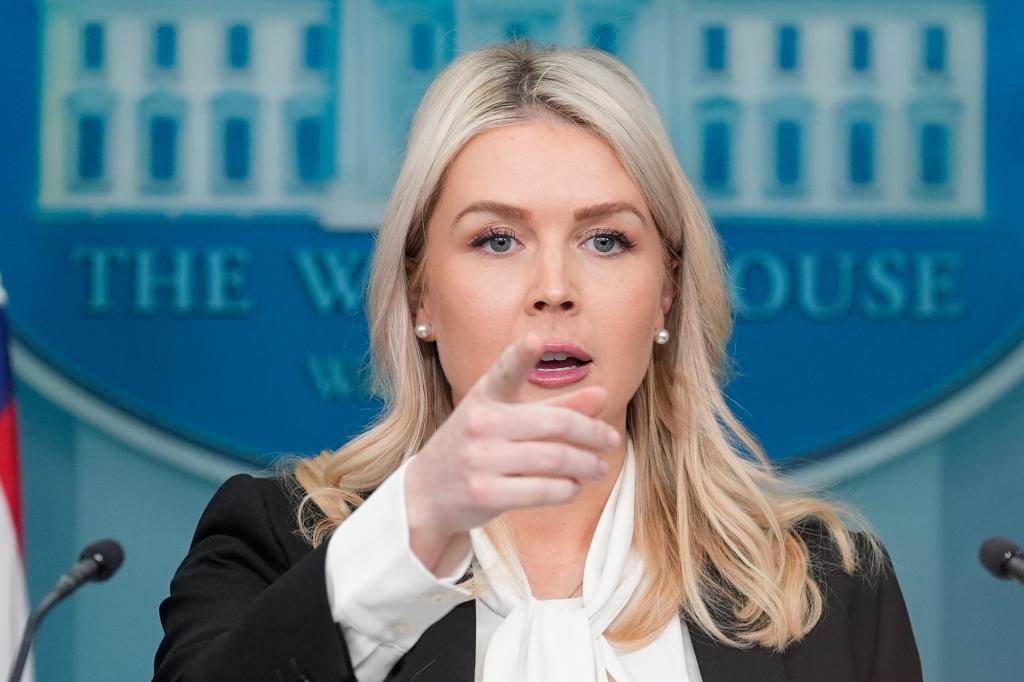
In Iraq, the US embassy has urged its citizens to evacuate as soon as possible in a country experiencing a "widespread blackout." In this highly tense atmosphere, White House spokesperson Karoline Leavitt stated in a press conference that Spain had agreed to cooperate militarily with the US military, just a day after President Donald Trump suggested imposing a commercial embargo on Madrid.
However, Foreign Minister José Manuel Albares swiftly refuted these claims. In a radio interview, the minister was unequivocal in response to the information coming from Washington: "She may be the White House spokesperson, but I am the Minister of Foreign Affairs of the Government of Spain, and I tell you that the position" on the war "has not changed at all."
According to Albares, Spain's policy on the use of bases and bombings on Iran "has not changed a single comma" and remains "absolutely unchanged." The Spanish government insists that its priority is to defend national interests and ensure that its actions are in line with the values of a people "who love peace." Albares wanted to make one thing clear to the public: the official stance remains not to participate in a war that Spain did not start.
Finally, the minister sent a direct message to the leader of the PP, Alberto Núñez Feijóo, calling for institutional unity against what he considers external "coercion" attempts. "There are times to be in opposition and times to be for Spain, and this is a time to be for Spain," Albares concluded, appealing for the defense of "the sovereignty and independence" of the country in a moment of extreme international crisis.