In Pyongyang, when the possibility of sitting down to discuss denuclearization is mentioned, there is one example that is cited over and over again: that of Muammar Gaddafi and the fate of Libya. In 2003, the Libyan dictator decided to abandon his program of weapons of mass destruction and hand over his nascent nuclear project to the West in exchange for normalizing relations with the United States and the lifting of sanctions. For a few years, the gesture was presented as a diplomatic success. But in 2011, during the Arab Spring, a NATO-led military intervention supported the rebels who ended up overthrowing and killing Gaddafi. For Kim Jong-un, that outcome became a permanent warning: giving up the nuclear arsenal does not open the door to security, but to vulnerability. Since then, every time Washington raises the issue of denuclearization, North Korean propaganda recalls the "fatal mistake" of Gaddafi as proof that surrendering the bomb is equivalent to signing a death sentence.
The bombings on Tehran and the death of the Iranian Supreme Leader, Ali Khamenei, have reinforced North Korea's conviction that countries that challenge the US without a credible nuclear umbrella may eventually be exposed to operations aimed at decapitating their leadership. For Kim, his arsenal is not just power: it is survival. The centerpiece that ensures that no force with technological superiority dares to execute a surgical strike against the regime's leadership.
While global attention focuses on the Middle East, Pyongyang has responded with its usual ritual: propaganda photos. This week, Kim Jong-un inspected his new5,000-ton destroyer, supervised missile tests with his teenage daughter, and promised to accelerate the incorporation of nuclear weapons into the navy. According to the Stockholm International Peace Research Institute (SIPRI), North Korea could have around 50 nuclear warheads and enough fissile material for several dozen more. Its nuclear complex continues to grow, and its long-range solid-fuel missiles are becoming increasingly difficult to detect and even more to neutralize.
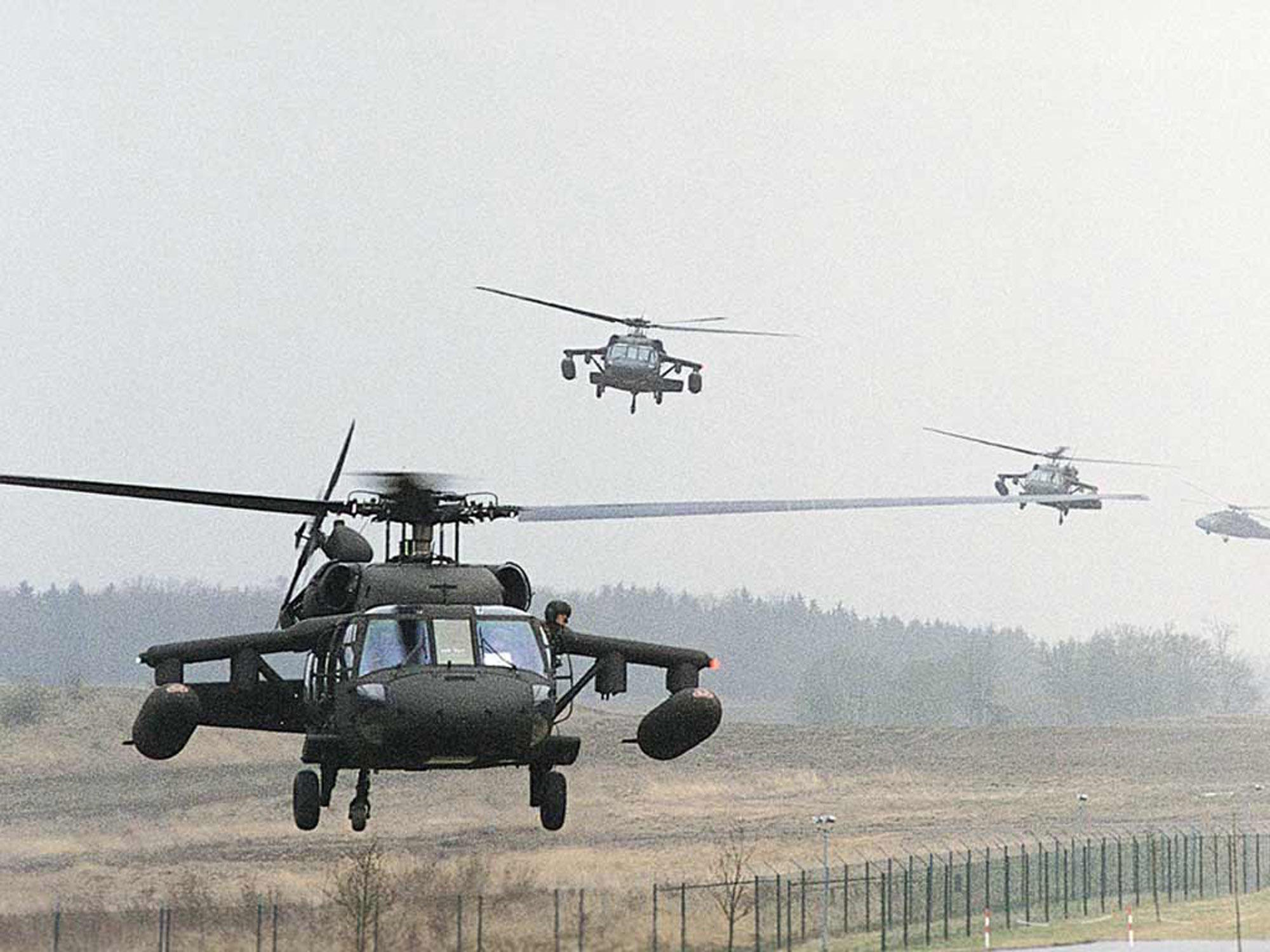
The show of force coincides with joint exercises by the US and South Korea on the peninsula, but Seoul's real concern is elsewhere now. Local media captured on Wednesday how US troops dismantled THAAD and Patriot systems at Osan Air Base, 70 kilometers south of the capital, to send them to the Gulf. Shields designed to cover the South from Northern missiles are now being loaded onto C-17s bound for the Middle East, with the aim of protecting US bases from Iranian drone attacks.
There is much concern in Seoul that its main ally is dismantling Pacific air defenses for its war against Iran. "It is a precautionary measure in case Iran drastically increases its rate of retaliatory attacks," say US officials quoted in a Washington Post report.
This news has revived doubts about Donald Trump's security commitment to South Korea and Japan, key allies in East Asia. Tokyo is also on alert because they have seen guided-missile destroyers based at Yokosuka Naval Base, a port city to the south, heading to the Arabian Sea. "We cannot accept that US bases in Japan become a launching pad for war in the Middle East," states a Japanese legislator. A statement also endorsed by another South Korean politician, concerned about the uncertainty in their country regarding a potential reduction in defensive capabilities.
To what extent are the defenses of East Asia being sacrificed for the war in the Middle East? "China is also monitoring all these movements in real-time. More than 1,060 intelligence satellites of the People's Liberation Army track every move in Osan. They know which systems departed, which aircraft transported them, which routes they took, and which Gulf bases received them," says defense analyst Shanaka Anslem Perera. "Chinese military analysts have already linked the decrease in US interceptors to contingencies in Taiwan: if the US depletes its arsenal of missile defense against $20,000 Iranian drones, what remains for a conflict in the Taiwan Strait where China can deploy the largest hypersonic arsenal in the world?".