While the international community watches with concern the impact of Iranian attacks in the Gulf and the videos shared by the US Central Command, the Lebanese Shiite group Hezbollah has dramatically escalated its offensives against northern Israel. Under the banner of a new military operation, the group launched "swarms" of drones and intense barrages of projectiles against towns like Kiryat Shmona, Nahariya, Metula, and Shlomi, hitting some of these points up to three times in a single night.
Hezbollah's offensive aimed to strike at the heart of Israeli defense infrastructure. The group claimed to have successfully attacked various military, air, and naval bases, highlighting a drone action against the Stella Maris maritime surveillance base and an attack on the Glilot base, located on the outskirts of Tel Aviv, about 110 kilometers from the border. Additionally, facilities of defense companies Rafael and Yodfat were identified as strategic targets of this wave, which coincided temporally with Iran's simultaneous attacks in the region.
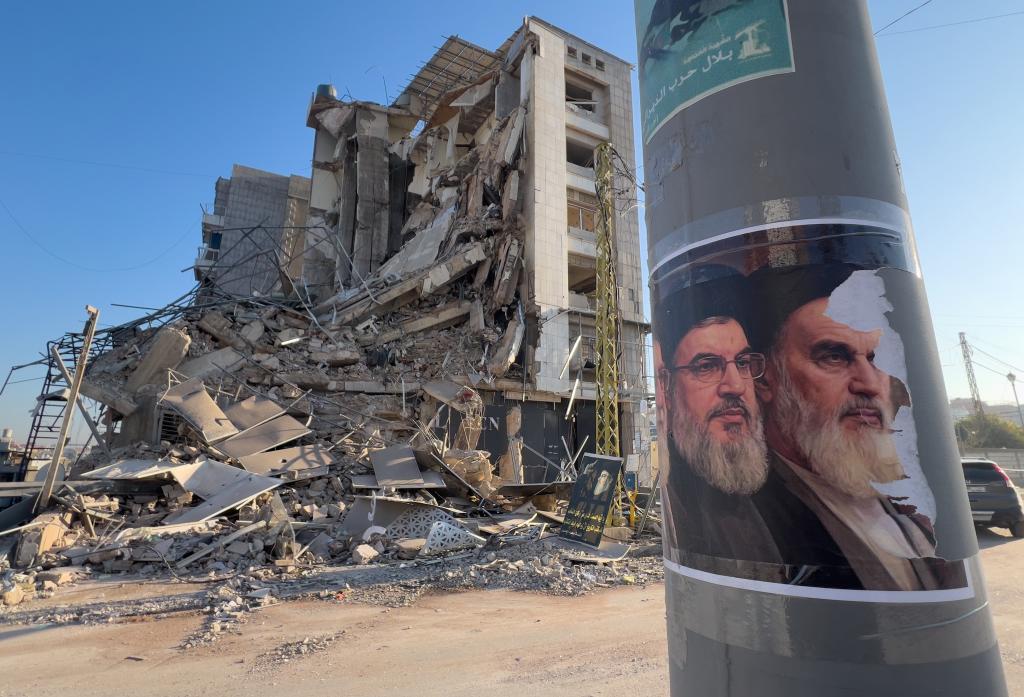
The retaliation by the Jewish state has been immediate and forceful, focusing its bombardments on various points in Lebanon. In the capital, Beirut, an attack left a tragic toll of eight dead and 31 injured, while the southern outskirts, known as Dahye, experienced massive explosions following Hezbollah's launches. The Israeli air force also extended its operations to the town of Aramoun —inhabited by Christian and Druze communities— where three people died according to the Ministry of Public Health, and to southern points like Naqoura and Taybeh.
After ten days of aerial offensive, the human toll is heartbreaking: 634 dead, 1,586 injured, and nearly 800,000 displaced in Lebanese territory. While the price of Brent crude remains above $100 and instability grows after the attacks in Dubai, Bahrain, and Oman, the Lebanese-Israeli front confirms itself as a key driver of total destabilization of global security.