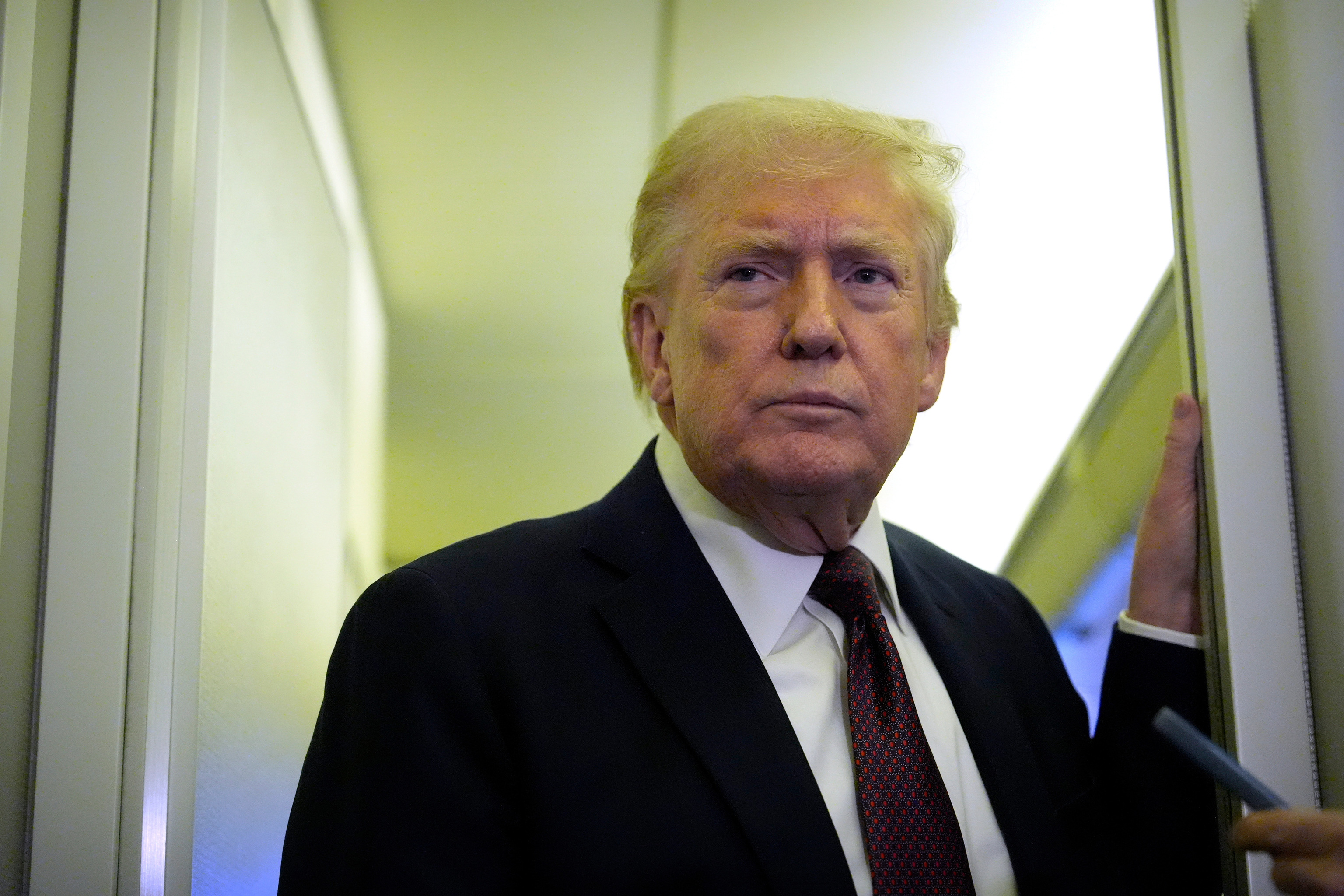
For the second time in just three days, Donald Trump directly appealed to China to help Washington unblock the Strait of Hormuz, which has become the epicenter of the global energy crisis. "I think China should also help, as it gets 90% of its oil from the strait," he stated on Sunday in an interview with Financial Times. This time, the U.S. President reflected on his upcoming visit to China at the end of the month and his meeting with Chinese leader Xi Jinping, hinting that it could be postponed.
From Beijing, the response has come more from commentators close to state media than official channels. Regular analysts in the press controlled by the Communist Party have interpreted Trump's call as an attempt to "further muddy the waters" in the Middle East, emphasizing that the origin of the strait blockade lies in the U.S.-Israeli military operation against Iran.
Trump stated on Sunday that his Administration has already contacted seven countries for support, although he avoided revealing their names. In a previous social media message, the American mentioned China, France, Japan, South Korea, and the United Kingdom among the nations that, in his opinion, should contribute warships to "keep the strategic route open and safe" through which nearly a fifth of the world's oil passes. From Tehran, Iranian Foreign Minister Abbas Araghchi responded that the Strait of Hormuz "remains open" to ships not belonging to either the United States or Israel.
"I'm demanding that these countries come in and protect their own territory, because it is their territory" Trump told reporters aboard Air Force One during a flight from Florida to Washington on Sunday. "It's the place from which they get their energy"
So far, the pressure from the White House has not elicited any commitments. Some of Washington's key allies in the Pacific began distancing themselves on Monday from the idea of joining a naval mission to ensure maritime traffic in Hormuz. Australia was the first to speak out. Transport Minister Catherine King ruled out sending warships but confirmed that Canberra will contribute aircraft to support defensive operations in the United Arab Emirates. "We will not send a ship to the Strait of Hormuz," she insisted.
In Japan, Prime Minister Sanae Takaichi took a similar tone in Parliament. "We have not made any decision on sending escort ships," she noted. "We are still analyzing what Japan can do independently and what is possible within the legal framework." Japanese Defense Minister Shinjiro Koizumi was more definitive in stating that the country has no plans to send warships at this time.
Takaichi will travel to Washington this week, and the war in the Middle East threatens to overshadow her scheduled meeting with Trump on Thursday. Initially, the meeting was intended to deepen economic cooperation and explore joint projects in the naval industry. However, the pressure from the White House for Tokyo to participate in a mission in Hormuz puts the Japanese leader in an uncomfortable position.
Japan is caught between the direct request of its main ally and the restrictions of its pacifist Constitution, which limits the participation of the Self-Defense Forces in military operations abroad. The Prime Minister has hinted, however, that Tokyo could get involved in less legally sensitive tasks. Takaichi indicated that the Constitution would not prevent collaboration in clearing mines around the strait once the conflict ends.
For Japan, the stability of Hormuz is a significant issue. The country relies on the Middle East for around 95% of its oil supply and about 11% of its liquefied natural gas imports. Most of that energy flow passes through the strait. Faced with growing uncertainty, the Japanese government announced on Monday that it will start tapping into its strategic oil reserves to alleviate concerns about supply. This is the first time it has taken this measure since Russia's large-scale invasion of Ukraine in 2022.
South Korea, another major Asian economy highly dependent on Middle Eastern oil, has responded with more ambiguity. Officials in Seoul indicate that the government is evaluating all options, although they point out that Washington has not yet made a formal request for the deployment of military forces.
Cautious signals are also coming from Europe. According to several British media outlets, during a phone call over the weekend, Prime Minister Keir Starmer informed Trump that the United Kingdom is not willing to send Royal Navy destroyers to the area. Instead, London reportedly offered to deploy mine-detecting drones, a contribution very different from the naval escort Washington is requesting.
In the interview with the Financial Times, Trump also toughened his stance towards European allies. The President warned that NATO faces a "very bad future" if its members do not come to the aid of the U.S. to ensure the security of the energy route. Trump also stated that Washington is in contact with Iran, although he expressed doubts about Tehran's real willingness to start "serious negotiations" to end the conflict.